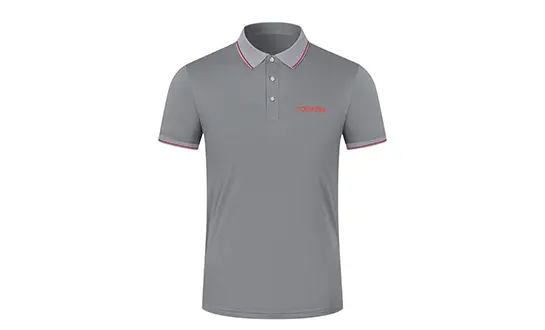
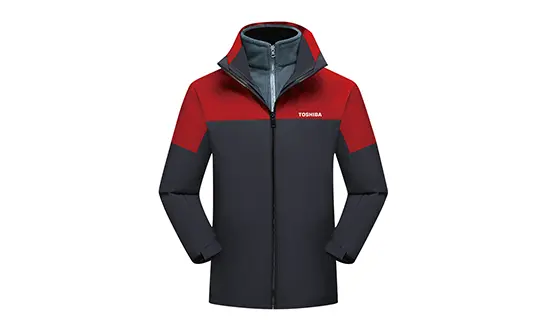
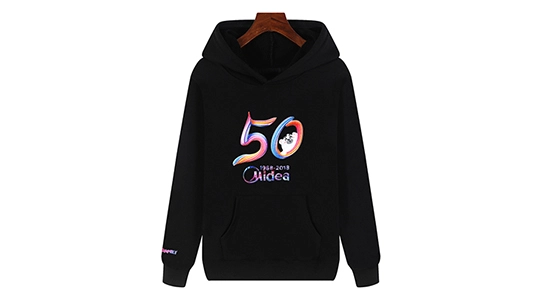
Benefits of Work Clothing for Cold Weather Jobs
When winter arrives and temperatures plummet, outdoor workers face significant challenges that affect both safety and productivity. Work clothing designed for cold weather conditions provides essential protection against harsh elements while maintaining comfort and functionality. Quality cold-weather workwear offers thermal insulation, moisture management, wind resistance, and durability that standard clothing cannot match. This specialized apparel prevents hypothermia, frostbite, and cold-related injuries while allowing workers to perform their duties efficiently. The investment in proper work clothing translates to reduced sick days, improved morale, and enhanced job performance across industries from construction to logistics.
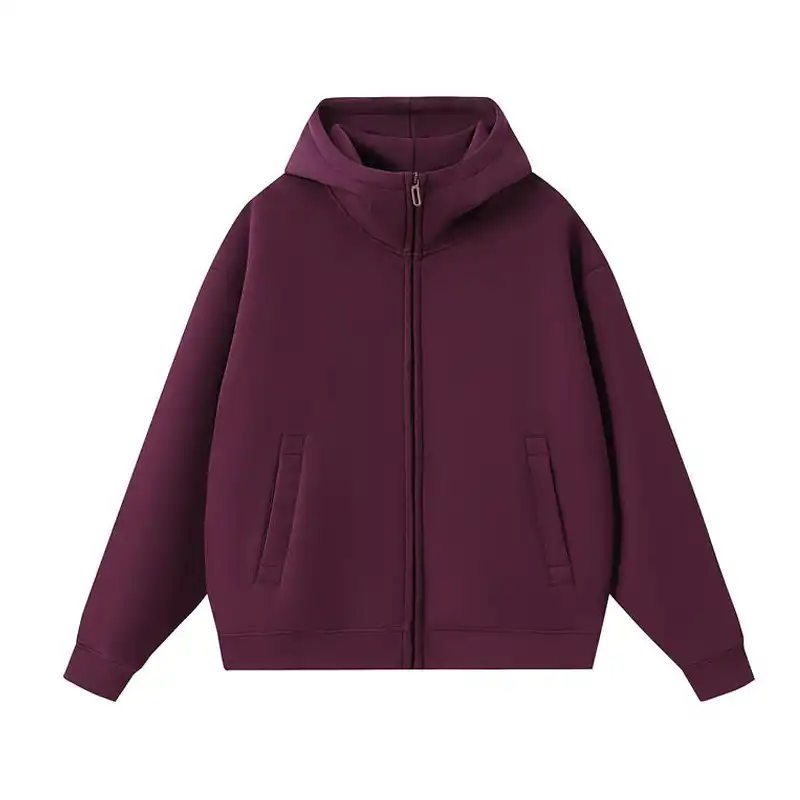
Understanding Cold Weather Work Clothing Requirements
Core Thermal Performance Requirements in Cold Work
Protective clothing must possess certain performance qualities in order to be suitable for use in cold weather work situations. The management of temperatures becomes very important when workers are subjected to cold conditions for an extended period of time. Because of the quick rate at which heat is lost from the human body via conduction, convection, conduction of heat, radiation, and evaporation, good insulation characteristics are of the utmost importance.
Three-Layer Systems for Heat Retention and Moisture Control
The most effective workwear for cold weather involves layering systems that are able to retain warm air while letting condensation to escape. Base layers are responsible for wicking sweat away from the skin, insulating ones provide protection against heat, and outer shells are responsible for guarding against wind and precipitation. This technique, which consists of three layers, protects against the potentially fatal combination of cold and dampness that may result in hypothermia.
Insulation and Fabric Choices for Harsh Conditions
In order to ensure optimal performance in frigid work apparel, material selection is of the utmost importance. In dry circumstances, natural down offers outstanding warmth-to-weight ratios, but synthetic insulations such as polyester fiberfill keep their warmth even when they are moist. DWR coatings, which stand for "durable water repellent," are often used on outer textiles since they must strike a compromise between breathability and weather protection.
Regional Differences in Cold-Weather Protection Needs
Our global market presence across European, American, Middle Eastern, African, and Asia-Pacific regions has taught us that cold weather needs vary significantly. European clients often require workwear for moderate cold with high moisture, while northern American markets demand extreme cold protection for outdoor construction projects.
Key Parameters for Effective Cold Weather Work Clothing
Insulation Fill Power and Thermal Resistance
Insulation fill power is a measurement that determines how much loft and warmth insulating materials will offer. This suggests that the heating capacity per unit weight is higher when the fill power is higher. Under standardised settings, thermal resistance, which is measured in Loc units, provides a quantitative representation of the insulating value of garments.
Water Resistance and Breathability Standards in Work Clothing
The water resistance of Work Clothing is measured through ratings indicating fabric ability to repel moisture. Hydrostatic head measurements of 5,000mm or higher provide adequate weather protection for most work environments. Breathability ratings, measured in grams per square meter per 24 hours, ensure moisture vapor escape while maintaining weather protection.
Fabric Weight and Its Impact on Warmth and Mobility
Fabric weight affects both warmth and mobility. Lightweight fabrics (under 200 GSM) offer mobility but limited insulation, while heavyweight options (over 300 GSM) provide maximum warmth with reduced flexibility. The optimal balance depends on activity level and environmental conditions.
Temperature Ratings for Condition-Specific Protection
Temperature ratings help users select appropriate garments for specific conditions. Comfort ratings indicate temperatures where average users remain comfortable during light activity. Lower limit ratings show temperatures where users can maintain core body temperature for extended periods.
Core Benefits of Cold Weather Work Clothing
Preventing Hypothermia and Frostbite for Worker Safety
Enhanced worker safety represents the primary benefit of quality cold weather workwear. Proper insulation prevents hypothermia, a potentially fatal condition where core body temperature drops below 95°F. Extremity protection prevents frostbite, which can cause permanent tissue damage and disability.
Maintaining Productivity in Cold Work Environments
When employees are able to maintain their comfort while working under difficult circumstances, productivity increases. A decrease in motor dexterity, a slowing of response times, and an impairment in decision-making skills are all symptoms of cold stress. Consistent mental abilities and physical activity are maintained during shifts when adequate protection is provided.
Moisture Management for Consistent Warmth
Moisture management capabilities prevent the accumulation of perspiration that accelerates heat loss. Advanced fabric technologies wick moisture away from skin while maintaining insulation properties. This prevents the clammy feeling that reduces comfort and warmth.
Extended Wear Comfort and Ergonomic Design
Workers are able to concentrate on their job rather than on their own pain when they have extended wear comfort. Designs that are ergonomic take into account natural habits of motion while yet providing adequate thermal protection. Adjustable characteristics enable customisation to accommodate individual tastes as well as situations that are constantly changing.
Cost Savings Through Health and Absenteeism Reduction
Cost-effectiveness emerges through reduced absenteeism and healthcare costs. Workers protected by quality cold weather clothing experience fewer cold-related illnesses and injuries. This translates to lower insurance premiums and reduced replacement costs.
Welston's Cold Weather Work Clothing Advantages
Decades of Expertise and Advanced Manufacturing Capabilities
Welston's three decades of experience in work clothing manufacturing has resulted in superior cold weather solutions. Our three factories and ten production lines enable consistent quality control and rapid production scaling. We utilize advanced Japanese JUKI and Taiwanese SHINLING equipment to ensure precise construction and durability.
Innovative Cold Weather Design for Warmth and Mobility
Our cold weather workwear incorporates moisture-wicking synthetic blends with reinforced high-stress areas. Multi-zone insulation provides warmth where needed while maintaining mobility in articulation points. Reflective elements enhance visibility during shorter winter daylight hours.
Rigorous Work Clothing Quality Control and Testing
Work Clothing quality control procedures exceed industry standards through comprehensive testing protocols. Each garment undergoes thermal performance evaluation, water resistance testing, and durability assessments before shipment. Our 24-hour customer response commitment ensures rapid resolution of any concerns.
Customization Options for Insulation, Color, and Branding
Clients are able to define insulation levels, colors, and branding aspects thanks to the options of customization. We are able to accept bulk orders while ensuring that the quality level remains constant across huge amounts. Both our dependability and our knowledge are shown by the fact that we have built ties with big organizations such as Panasonic, Toyota, and Dell.
Maximizing Cold Weather Work Clothing Benefits
Importance of Proper Sizing for Thermal Performance
The right size is very necessary in order to obtain the highest possible level of thermal performance and comfort. The ability of loose-fitting garments to allow for freedom in layering while simultaneously allowing for the trapping of air for insulation is a significant benefit. Wearing clothing that’s either overly snug or too loose restricts circulation and reduces the effectiveness of insulation against the elements. It is our suggestion that individuals take their own measurements while wearing basic base layers in order to guarantee that they are outfitted appropriately.
Effective Layering Strategies for Variable Conditions
Layering strategies maximize versatility across varying conditions. Base layers should fit snugly against skin to facilitate moisture transfer. Insulating layers trap warm air while providing adjustability for changing activity levels. Outer shells protect against wind and precipitation while allowing vapor escape.
Maintenance Practices to Preserve Insulation and Protection
Maintenance practices extend garment life and performance. Regular cleaning removes oils and dirt that reduce insulation effectiveness. Proper storage prevents compression of insulating materials. Periodic reproofing maintains water resistance in outer shell garments.
Activity-Specific Garment Selection for Optimal Safety
Activity-specific selection optimizes protection for particular work environments. Highly active workers benefit from lighter insulation with enhanced breathability. Stationary workers require maximum insulation to maintain warmth during low activity periods. Consider work duration, weather exposure, and physical demands when selecting appropriate protection levels.
Training Workers on Usage and Cold Weather Awareness
Training programs help workers understand proper usage and care procedures. Education about layering systems, adjustment techniques, and warning signs of cold exposure enhances safety outcomes. Regular assessments ensure continued effectiveness as conditions change.
Regional Considerations for Cold Weather Workwear
Cold Weather Challenges in Northern Europe
In many parts of the world, cold weather has its own distinct issues, which need the development of specific solutions. Considering that the markets in Northern Europe encounter mild cold and significant humidity, it is essential that they possess strong moisture management capabilities. Workwear that is functional in cold below -20 degrees Fahrenheit and provides great wind protection is often required by Scandinavian customers.
Diverse Climate Requirements Across North America
North American markets are located in a wide range of climatic zones, ranging from the moderate temperatures of the Pacific Northwest to the severe settings of the Arctic. For oil and gas activities in Canada, flame-resistant temperatures below freezing gear that can keep its flame-resistant qualities even when exposed to low temperatures is required. For winter road construction projects, construction personnel in the Midwest need to wear gear that is high-visibility and suitable for cold weather.
Altitude and UV Considerations in Mountain Regions
Mountain regions across all markets present altitude-related challenges including rapid temperature changes and intense UV exposure. The reliable performance of specialized Work Clothing is therefore critical. Cold weather work clothing for these environments must provide thermal adjustability and UV protection simultaneously.
Our manufacturing capabilities have the ability to accommodate these regional variations since we make use of specific insulation packages and fabric options. clients in Europe, on the other hand, are given with workwear that is suitable for wet cold conditions, but clients in the North American continent are offered options for dry environments that are very cold.
Industry-Specific Cold Weather Applications
Construction Workwear: Thermal Protection and Tool Compatibility
During the winter months, workers in the construction business are faced with extended exposure to the outdoors. The construction industry requires cold weather clothing that not only offers thermal protection but also has the capacity to accommodate tool belts along with security equipment. In the event that daylight hours are shortened, high-visibility features continue to be essential for the safety of workers.
Logistics and Transportation: Flexibility for Temperature Fluctuations
Cold stress is something that workers in the logistics and transportation industry experience during the process of loading and unloading and delivery activities. In order to accommodate the frequent twisting and lifting that is required for their cold weather apparel, they need to have the ability to quickly shift their clothes to accommodate the temperature fluctuations that occur between inside and outside locations.
Manufacturing Environments: Moderate Insulation and Anti-Static Features
Manufacturing facilities often maintain lower temperatures for product quality or energy efficiency. Workers in these environments need moderate insulation with excellent moisture management for sustained activity levels. Anti-static properties become important in electronics manufacturing environments.
Hospitality Workwear: Professional Appearance with Cold Weather Protection
Hospitality industry workers, including maintenance and grounds staff, require professional-appearing cold weather workwear. These garments must maintain company image standards while providing adequate protection for outdoor duties. Easy care properties ensure professional appearance throughout shifts.
Conclusion
Cold weather work clothing represents a critical investment in worker safety, productivity, and comfort. Quality garments provide essential thermal protection while maintaining mobility and durability required for demanding work environments. The benefits extend beyond individual comfort to encompass reduced healthcare costs, improved productivity, and enhanced corporate image. Regional climate variations and industry-specific requirements demand specialized solutions that balance protection with practicality. Through proper selection, sizing, and maintenance practices, cold weather workwear delivers exceptional value and performance. Welston's expertise and commitment to quality ensure your workforce receives superior protection that meets the challenges of cold weather work environments.
FAQ
Q1: How do I determine the right insulation level for my workers?
A: Consider average outdoor temperatures, activity levels, and exposure duration. Workers performing high-activity tasks need less insulation than those in stationary positions. We recommend consulting our technical team who can assess your specific environment and recommend appropriate thermal protection levels based on decades of experience serving diverse industries.
Q2: Can cold weather work clothing maintain protection after repeated washing?
A: Quality cold weather workwear maintains thermal properties through proper care. Our garments use durable insulation materials that resist compression and maintain loft through commercial washing cycles. Follow care instructions and avoid fabric softeners that can reduce moisture-wicking properties. Regular reproofing treatments maintain water resistance in outer shell garments.
Q3: What safety standards apply to cold weather work clothing?
A: Cold weather workwear must meet various standards depending on industry and application. ANSI/ISEA 107 governs high-visibility requirements, while ASTM F1506 addresses arc-rated cold weather gear. ISO standards cover general thermal protection requirements. We ensure our products meet relevant standards for your specific industry and geographical region.
Partner with Welston for Superior Cold Weather Work Clothing Solutions
Our company, Welston, is a reputable producer of Work Clothing that has shown skill in providing solutions for protection against cold weather. When paired with our modern manufacturing capabilities, our complete grasp of thermal performance needs enables us to provide exceptional protection for your crew. We are able to provide dependable cold weather outerwear for sale that meets the most stringent criteria, since we have built connections across worldwide marketplaces and have received recognition from industry giants such as Dell and Mercedes-Benz. To learn more about the Welston advantage and to discuss your needs for cold weather work clothes, please get in touch with our team at [email protected].
References
1. Occupational Safety and Health Administration. "Cold Stress Guide: Protecting Workers in Cold Environments." U.S. Department of Labor, 2017.
2. International Organization for Standardization. "Protective Clothing - Assessment of Thermal Behaviour - Part 2: Determination of Thermal Transmission Through Dry Heat." ISO 17493-2, 2019.
3. American National Standards Institute. "High-Visibility Safety Apparel and Headwear." ANSI/ISEA 107-2020 Standard, 2020.
4. Canadian Centre for Occupational Health and Safety. "Cold Environments - Working in the Cold: Health and Safety Guidelines." CCOHS Publications, 2021.
5. European Committee for Standardization. "Protective Clothing Against Cold: Requirements and Test Methods for Clothing Ensembles." EN 14058:2017 Standard, 2017.
6. National Institute for Occupational Safety and Health. "Criteria for a Recommended Standard: Working in Hot and Cold Environments." DHHS Publication No. 2016-106, 2016.
We specialize in designing, producing, and selling corporate clothing. Mainly produces: industrial clothing, business uniforms, and work clothes for different companies.

About Welston Garments