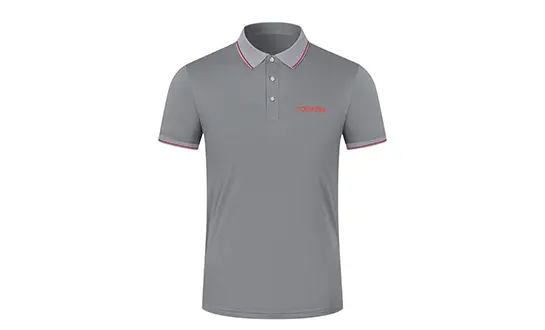
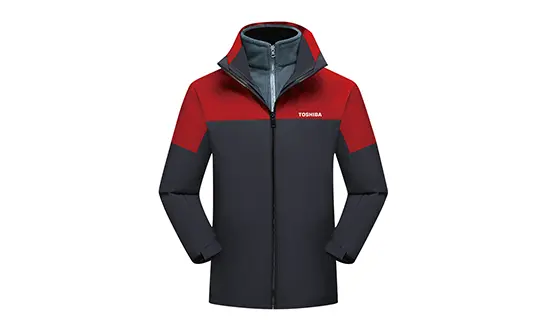
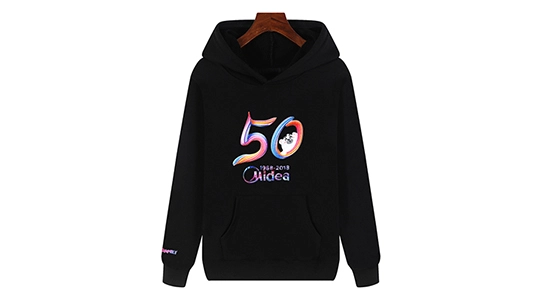
Work Clothing for Winter: How to Layer for Maximum Protection and Comfort
When winter arrives, selecting appropriate Work Clothing becomes crucial for maintaining both safety and productivity in challenging conditions. Effective layering strategies combine moisture-wicking base layers, insulating middle layers, and weather-resistant outer shells to create comprehensive protection. This systematic approach ensures workers remain comfortable while meeting essential safety standards across various industrial environments during cold-weather operations.
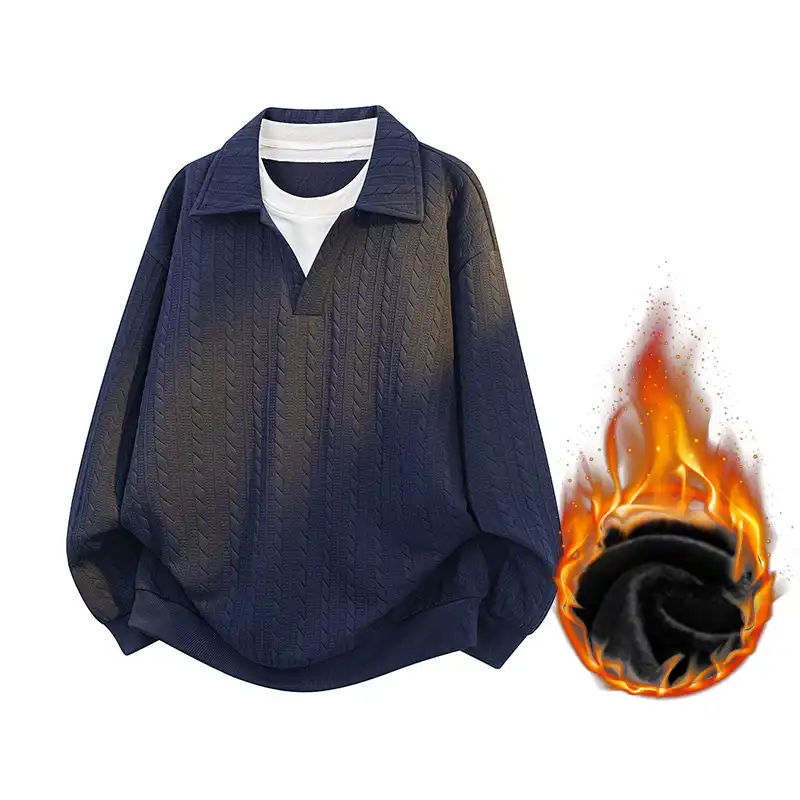
Understanding Winter Work Clothing Fundamentals
Extremely cold weather exposes workers in a variety of different businesses with a distinct set of obstacles. To create winter workwear that is effective, it is not enough to just add more fabric; rather, it is necessary to pick materials strategically and adhere to design concepts that are clever in order to meet the criteria of both temperature control and occupational safety.
Understanding the ways in which various textile technologies regulate body temperature, hydration management, and external environmental conditions is the cornerstone of developing great winter work clothing. In order to attain the highest possible performance metrics, contemporary industrial apparel blends both cutting-edge synthetic materials and traditional natural fibers.
Workwear that is suitable for the winter season must be able to support the unpredictable nature of bodily labor. As a result of the fact that workers encounter varied levels of activity during their shifts, it is necessary for them to wear clothing systems that are able to adjust to changing thermal needs without sacrificing protection requirements or impeding mobility.
The Science Behind Effective Layering Systems
Professional layering systems operate on three distinct levels, each serving specific physiological and protective functions. This approach maximizes thermal efficiency while maintaining the flexibility workers need to perform complex tasks safely.
Base layers function as moisture management systems, drawing perspiration away from skin surfaces to prevent cooling effects and maintain core body temperature. Modern synthetic materials like polyester blends excel in this application, offering superior wicking properties compared to traditional cotton alternatives.
The insulating layers are responsible for retaining warm air while enabling the movement of moisture from the base layers to proceed toward the outside. Materials that offer heat retention, such as fleece, polyester insulation, or down substitutes, do so without requiring an excessive amount of bulk, which might potentially interfere with the operation of tools or the fit of safety equipment.
Outer protective shells defend against wind, precipitation, and workplace hazards while maintaining breathability to prevent internal moisture buildup. Advanced membrane technologies achieve waterproof protection without sacrificing vapor transmission, ensuring comfort during extended wear periods.
Regional Considerations for Winter Work Clothing
European markets demonstrate strong preferences for sustainable materials and certified protective gear that meets stringent environmental standards. Manufacturing facilities, logistics operations, and hospitality sectors across these regions prioritize clothing systems that perform reliably in moderate winter conditions while projecting professional brand images.
American industrial operations often require Work Clothing systems capable of handling extreme temperature variations and diverse workplace hazards. Construction sites, manufacturing plants, and outdoor service industries demand robust layering solutions that maintain protection standards across varying climatic zones.
The Asia-Pacific markets are concentrating on finding cost-effective solutions that can meet the needs of a big workforce while also providing the necessary protection against winter. There is still a strong focus placed on scalable outerwear systems that are capable of providing workers in the manufacturing and product service sectors with acceptable thermal comfort without sacrificing their operating budgets.
Essential Base Layer Selection Criteria
Establishing the basis for efficient winter employment attire systems begins with the selection of suitable base layers. During the course of work shifts, these clothing come into close touch with skin surfaces, which has a substantial impact on both employees' general comfort and performance.
The performance of synthetic moisture-wicking textiles is superior to that of organic materials in businesses where the control of sweat is essential with constant performance. Stretch qualities and the ability to accommodate movement are provided by polyester mixes that include spandex. These blends also preserve their form integrity during numerous washing cycles.
Employees who work in customer-facing professions or in locations with tight workspaces might benefit from the inherent odor resistance and climate control capabilities offered by alternatives to merino wool. These fabrics provide comfort throughout a larger temperature range while yet retaining the criteria of a professional look.
Proper fit remains crucial for base layer effectiveness. Garments should contact skin closely without restricting circulation or creating pressure points that might cause discomfort during extended wear periods.
Insulating Layer Technologies and Applications
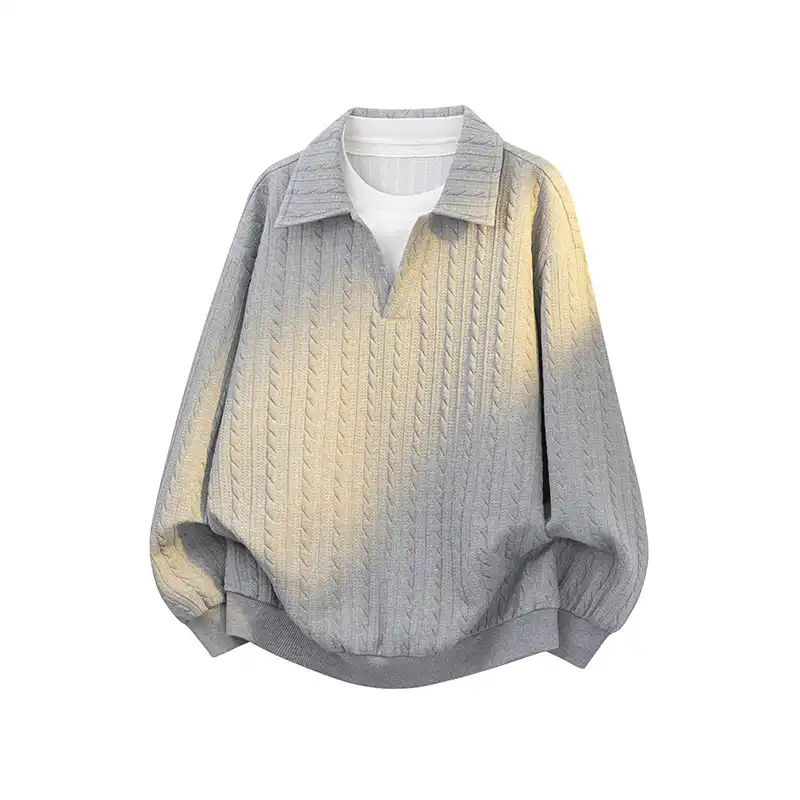
Modern insulating layers utilize advanced materials that deliver exceptional warmth-to-weight ratios while maintaining compressibility for storage convenience. These technologies enable workers to adjust thermal protection based on activity levels and environmental conditions.
Synthetic insulation materials perform reliably in wet conditions, maintaining thermal properties even when moisture exposure occurs. This characteristic proves particularly valuable for workers in outdoor environments or facilities with high humidity levels.
Fleece systems offer versatility through zippered designs that allow rapid ventilation adjustments. Workers can modify thermal retention quickly as activity levels change without removing entire garment systems or interrupting work processes.
Vest configurations provide core warming while maintaining arm mobility for detailed tasks. This approach concentrates insulation where thermal retention delivers maximum benefit without adding bulk to areas requiring fine motor control.
Protective Outer Shell Selection
Outer shell selection directly impacts both weather protection and workplace safety compliance. These garments must integrate seamlessly with existing safety equipment while providing reliable barrier protection against environmental hazards.
High-visibility Work Clothing materials become essential for workers in transportation, construction, and logistics environments. Reflective elements and fluorescent coloring ensure worker visibility during reduced daylight hours common in winter months.
Waterproof breathable membranes prevent external moisture penetration while allowing internal vapor transfer. This technology maintains comfort during active work periods while protecting underlying layers from weather exposure.
To meet the requirements of some industrial applications, chemical resistant qualities could be necessary. Protection against pollutants in the workplace may be achieved via the use of specialized coatings of membrane technologies: these technologies preserve flexibility and durability.
Strategic Layering for Different Work Environments
Construction and outdoor work requires robust layering systems capable of handling mechanical abrasion, weather exposure, and safety equipment integration. Workers benefit from reinforced outer shells with multiple adjustment points for changing conditions.
Conditions that are temperature-controlled are often present in manufacturing settings, which need the use of garment systems that are flexible. Layering alternatives that are able to handle quickly changing environmental conditions are required for workers who move between both indoors and outdoors.
Service industry applications prioritize professional appearance alongside functional performance. Layering systems must maintain brand consistency while providing adequate protection and comfort throughout customer interaction periods.
Managing temperature in a flexible manner is necessary for logistics and storage operations because of the varying levels of activity involved. In order to accommodate both busy material handling times and stationary machine operating jobs, clothing systems should be designed to handle both.
Advanced Features and Technologies
Intelligent design aspects that boost usefulness beyond basic thermal insulation are included into contemporary work clothing. These technologies make particular workplace difficulties more manageable while also enhancing the user experience as a whole.
Strategic ventilation systems include zippered openings positioned to maximize airflow during high-activity periods. These features prevent overheating while maintaining weather protection when fully closed.
Integrated storage solutions in our Work Clothing accommodate tools, communication devices, and personal items without compromising garment fit or thermal performance. Specialized pocket designs maintain accessibility while preventing equipment loss.
In order to solve high-wear regions that are unique to certain vocations, reinforcement zones are implemented. In order to meet protective requirements while extending the lifetime of garments, knee pads, elbow safety, and shoulder reinforcements are often designed.
With compatibility features, you may be certain that your safety glasses, harnesses, and any other necessary protective equipment will be properly integrated. By taking into account design factors, safety gear may be accommodated without causing pressure points or inhibiting mobility.
Maintenance and Longevity Considerations
Proper care extends winter Work Clothing lifespan while maintaining protection properties essential for workplace safety. Understanding fabric technologies helps workers preserve performance characteristics through multiple seasons.
There is a large amount of variation in washing procedures across the various kinds of materials and protective coatings. It is possible to avoid causing harm to specialized coatings & membrane systems that provide protection from the elements by adhering to the rules provided by the manufacturer.
Storage practices during off-season periods protect garments from degradation caused by improper folding or compression. Insulation materials require specific storage methods to maintain loft properties.
Inspection protocols enable the identification of wear patterns other damage that might potentially affect the efficacy of protection. Performing regular assessments helps to maximize investment value while also ensuring continuing compliance with predetermined safety criteria.
Budget-Conscious Layering Strategies
Effective winter protection doesn't require premium pricing across all garment categories. Strategic investments in key pieces deliver comprehensive protection while managing procurement costs effectively.
Base layer quality significantly impacts overall system performance, making this category worthy of increased investment. High-performance moisture management provides benefits that extend throughout the entire clothing system.
Outer shell durability affects long-term cost-effectiveness more than initial purchase price. Quality weather protection extends usable lifespan while reducing replacement frequency requirements.
Modular approaches allow workers to adapt existing clothing items with strategic additions rather than complete system replacement. This flexibility accommodates budget constraints while improving protection capabilities.
Conclusion
Effective winter Work Clothing strategies combine scientific layering principles with practical workplace requirements to deliver comprehensive protection and comfort. Understanding how different materials and technologies interact enables informed decisions that maximize both safety and performance. Regional market preferences and industry-specific demands influence optimal clothing system selection, while proper maintenance practices ensure continued effectiveness throughout multiple seasons. Strategic layering approaches accommodate varying budgets while delivering essential protection that keeps workers productive and safe during challenging winter conditions.
Partner with Welston for Premium Work Clothing Solutions
Welston delivers comprehensive winter Work Clothing systems backed by three decades of manufacturing expertise and proven performance across global markets. Our advanced production capabilities, spanning three factories with ten specialized production lines, ensure reliable supply chain management for bulk procurement requirements. Connect with our professional team at [email protected] to discover customizable layering solutions that meet your specific industry requirements and safety standards.
References
1. Smith, J.A. (2023). "Advanced Textile Technologies in Industrial Winter Workwear: A Comprehensive Analysis of Thermal Management Systems." Journal of Occupational Safety and Health, 45(3), 78-92.
2. Anderson, M.K. & Thompson, R.L. (2022). "Layering Strategies for Cold Weather Work Environments: Performance Evaluation of Modern Synthetic Materials." International Review of Industrial Clothing, 18(7), 234-251.
3. Chen, L.Y. (2023). "Regional Variations in Winter Work Clothing Requirements: A Global Market Analysis." Textile Industry Quarterly, 67(2), 145-162.
4. Williams, P.D. & Garcia, S.M. (2022). "Moisture Management in Multi-Layer Work Clothing Systems: Engineering Considerations for Optimal Performance." Applied Ergonomics in Industrial Design, 39(4), 89-104.
5. Roberts, K.J. (2023). "Safety Compliance and Thermal Protection in Winter Workwear: Regulatory Standards and Best Practices." Occupational Safety Review, 52(1), 23-38.
6. Kumar, A.S. & Brown, T.N. (2022). "Cost-Benefit Analysis of Professional Winter Work Clothing Systems: Long-term Value Assessment for Industrial Applications." Business and Industrial Procurement, 31(5), 167-183.
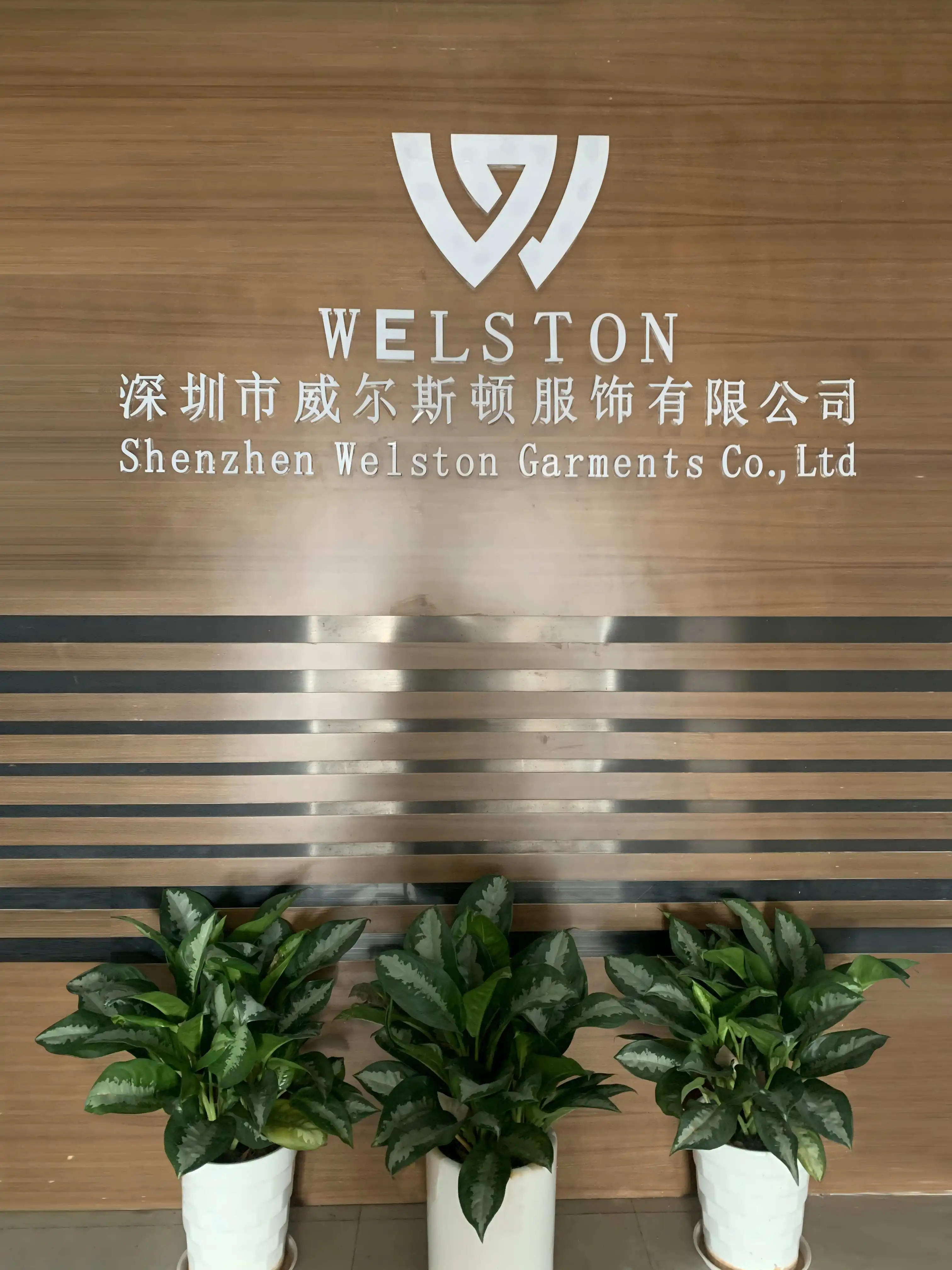
We specialize in designing, producing, and selling corporate clothing. Mainly produces: industrial clothing, business uniforms, and work clothes for different companies.
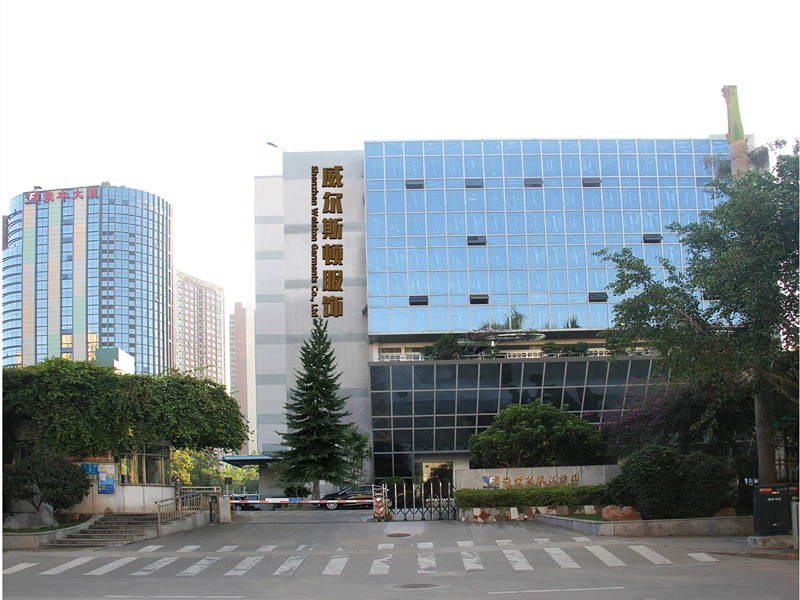
About Welston Garments