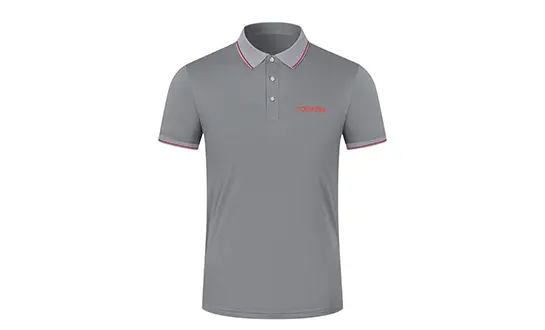
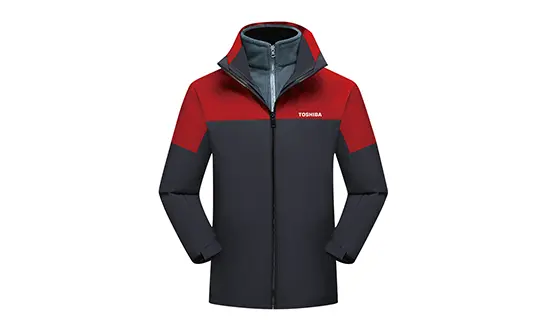
Best Outdoor Sun Workwear for Construction Workers
Construction workers are one of the groups most likely to be exposed to UV rays at work. Outdoor Sun Workwear is an important investment in the health and safety of workers because it is made of modern UPF-rated materials that wick away moisture and are built to last. This special clothing keeps workers safe during their jobs and makes sure they follow safety rules at work. Outdoor Sun Workwear, on the other hand, meets both the needs of UV protection and thermal comfort in tough building settings. More and more, purchasing managers, wholesalers, and OEM clients are realising that good sun protective clothing lowers health insurance costs, cuts down on sick days due to sunburn, and shows that a company cares about its employees' health.
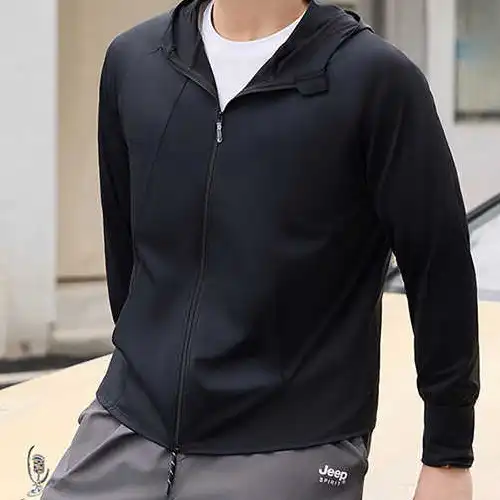
Understanding Outdoor Sun Workwear for Construction Workers
Outdoor Sun Workwear is very different from regular work clothes because it has photoprotective technologies and design elements that are specific to building. These clothes protect you from dangerous UVA and UVB rays while still letting you do the hard physical work of building.
What Defines Quality UV Protective Workwear
High-quality Outdoor Sun Workwear is made from materials that have a UPF (Ultraviolet Protection Factor) of 40 or higher. The best choices have UPF 50+ ratings, which block about 98% of UV radiation. Tight-weave designs or synthetic blends with UV-absorbing particles are used to make the cloth. In contrast to SPF ratings for sunscreens, UPF ratings check how much UV light gets through the cloth itself. Construction-grade options have stronger stress points at the shoulders, elbows, and knees, which are places where you move and touch tools a lot. Reflective strips make it easier to see in low light, which meets ANSI safety standards. The base cloth protects you from the sun all day.
Core Technical Features That Matter
Moisture-wicking features actively pull sweat away from the skin, which allows for cooling through evaporation that keeps workers comfy while they do hard physical work. This technology is necessary when workers can't take off their clothes even though it's getting hot. Placed under the arms and across the back, breathable mesh pieces let air flow without sacrificing UV protection. Antimicrobial treatments keep clothes from growing germs when they are worn for long, sweaty jobs. At places of articulation, stretch cloth zones keep your freedom of movement when you bend, reach, or rise. All of these features meet the needs of the building business for protective gear that workers will actually wear every day.
How to Choose the Best Outdoor Sun Workwear for Construction
To choose the right Outdoor Sun Workwear for the job, you need to carefully look at the conditions of the job, the types of fabrics available, and the cost of the clothes. The best picks strike a mix between comfort, protection, longevity, and cost.
Assessing Job-Specific Requirements
Different types of building work require different types of clothing. Roofing crews and Outdoor Sun Workwear need the most UV protection and the best heat management because the surfaces they work on are bright and there isn't much shade. Concrete workers need long-lasting clothes that can handle alkaline splashes and still keep their UPF ratings. To meet traffic safety standards, highway building crews need to wear clothes with bright colours and sun protection. Climate plays a big role. Places that are wet need clothes that let air pass through them easily, while places that are dry need clothes that keep moisture close to the skin to keep cool. Shift length affects the choice of cloth weight; longer shifts tend to favour lighter materials, even though they last a little less long. By looking at these things before buying, you can be sure that the work clothes you choose will actually fit the conditions on the job site, not just meet general requirements.
Evaluating Fabric Technologies and Certifications
Professional-grade job clothes for the sun either have built-in or added UV protection. Inherent protection comes from fibres or yarns that are tightly knitted and have UV-blocking properties built in during production. These qualities stay effective through many wash cycles. Chemicals are used to treat materials so that they can absorb UV light, but this effect may wear off over time. When it comes to stopping UV rays and keeping moisture in, synthetic mixes like polyester-nylon combinations often do a better job than natural fibres. To get objective proof of quality, look for testing that meets the requirements of AATCC 183 or AS/NZS 4399. Colourfastness grades tell you if safety colours will fade below the required level of visibility after being washed and exposed to the sun. Specifications for dimensional stability make sure that clothes keep their protected surface area and don't shrink a lot. These technical details tell the difference between real safe workwear and regular clothes that make marketing promises.
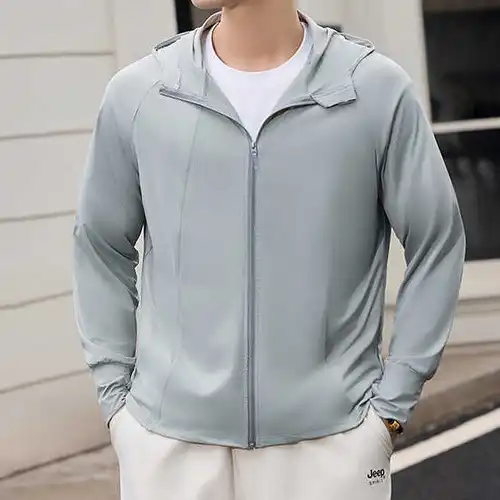
Top Outdoor Sun Workwear Options for Construction Workers in 2026
The 2026 market has a number of different types of Outdoor Sun Workwear that are best for building sites. Each type meets a different set of protection and usefulness needs.
Lightweight Long-Sleeve Work Shirts
Modern work shirts that protect against UV rays have UPF 50+ fabric ratings and weigh around 150gsm. This means that they protect without keeping too much heat in. The more expensive ones have back yokes that are ventilated and have open pieces that let air flow while still blocking the sun across the shoulders, which is where most burns happen. When workers bend forward to do their jobs, they are exposed to a lot of UV light, so convertible collar styles cover that area. Small tools and communication devices can fit in the chest and side pockets. In addition to basic work colours, you can now choose from high-visibility yellows and oranges that are needed for building in traffic areas. The UV protection is built into the vests themselves, so you don't have to buy different ones. Flatlock seams keep you from hurting when you move around a lot. When bought in bulk, these shirts cost between $25 and $45 per unit. Depending on how complicated the logo is, customising them costs an extra $3 to $7 per piece.
Durable UV Protective Work Pants
Construction-grade sun protective pants are made of thicker fabrics (about 240gsm) that don't get worn down by bending, moving materials, and touching tools. They also keep their UPF 40+ ratings. The knees are articulated and have stretch fabric pieces that make it easy to move when squatting and rising. The fast wear that comes with building work is handled by reinforced areas at the knees and back. There are specialised tool pockets, hammer loops, and reinforced utility pockets in multi-pocket designs that keep working throughout the life of the clothing. Gutted crotches in modern styles get rid of the feeling of being squished when moving from standing to kneeling poses. Some makers make adaptable styles with lower legs that zip off so that they can be used in a range of temperatures. However, this feature needs to be carefully designed so that UV protection is maintained at the point where the legs are separated. The cost of procurement varies from $35 to $60 per unit, based on the quality of the fabric and the difficulty of the design.
Outdoor Sun Workwear Procurement and Supplier Insights
When buying Outdoor Sun Workwear for business use, it's important to look at more than just unit prices. You need to think about the supplier's skills, operations, and quality assurance.
Identifying Reliable Manufacturing Partners
Established companies that have been making workwear for decades know more about the needs of the building business than general clothing sellers. Welston, which has been around since 1998 and specialises in designing and making professional and business workwear, is a great example of this skill. Production ability is very important. Suppliers with many plants and production lines can handle large orders without lowering quality or delaying deliveries. The quality of the equipment directly affects the stability of the clothes, which is why Japanese JUKI and Taiwanese SHINLING makers usually make better clothes. Having screen printing and heat transfer methods for applying logos in-house makes customisation easier and teamwork less difficult. Certifications and agreements with well-known brands like Toyota, Benz, and Panasonic show that the company has high-quality standards and runs a trustworthy business.
Navigating Custom Orders and Pricing
Getting custom Outdoor Sun Workwear starts with making sure everyone understands what you want. Accurate quotes can be made by giving full details about the UPF ratings needed, the cloth types chosen, colour schemes, size distributions, and any other unique features. By asking for samples before ordering a lot, you can see for yourself how the fabric feels, how well it's put together, and if the clothes meet your needs. Prices for samples range from $50 to $150, but they're worth it because mistakes in big sales can cost a lot of money. Clear price lists should split base clothing costs, customisation fees, and shipping costs so you can see for yourself where the costs are coming from. When you negotiate payment terms, you can usually get 30–50% deposits, with the rest due before shipment. This is better for your cash flow than paying in full up front. Estimates of lead times should include getting the cloth, making the product, inspecting it for quality, and, if necessary, sending it internationally. This process usually takes 4 to 8 weeks in total.
Caring for and Maintaining Your Outdoor Sun Workwear
If you take care of your Outdoor Sun Workwear the right way, it will keep its protective features and last longer, giving you the most value for your money.
Washing and Storage Best Practices
When washing Outdoor Sun Workwear in cool or warm water instead of hot water, which can break down UV-absorbing treatments, the clothes keep their UPF ratings better. Mild cleansers that don't have optical brighteners or bleach in them protect both the colours and the ability of the cloth to block UV light. Before cleaning, flipping clothes inside out lowers wear on the outside, which is where UV protection is most important. When you wash clothes in a machine, using gentle processes instead of harsh ones helps protect the fibres. High heat damages and shrinks fibres, but air drying or low-heat tumble drying stops this from happening. Fabric stays in good shape between uses if it is stored in a cool, dry place out of direct sunlight. Do not store wet work clothes in tight areas because mildew, Outdoor Sun Workwear, can grow there and damage the fabric and antimicrobial treatments.
Common Mistakes That Reduce Protection
When you use fabric softeners, they leave behind coatings that can get in the way of moisture-wicking features and could make UV protection less effective. When spot-cleaning would serve, washing work clothes too much speeds up the wear and tear on them. If you don't read the care notes that came with the product, you might treat it in a way that breaks the warranty. Keeping clothes on that have a lot of fading, fabric loss, or structural damage will not protect you as well from UV rays. Putting work clothes away in hot cars exposes them to high temperatures and UV light through the windows, which weakens their defence when they're not being used. When you wash work clothes with dirty clothes or strong chemicals, the chemicals or contaminants can move to other clothes and change the way the fabric works.
Replacement Indicators and Lifecycle Management
A close look shows several signs that Outdoor Sun Workwear needs to be replaced. If the cloth is fading a lot, it means that UV light has damaged it, which could mean that the protective quality is now below what is safe. More UV light can get through thin cloth, especially across the shoulders and upper back. Tears, holes, or joints that come apart make it clear that the area is no longer protected. If a cloth stops wicking away moisture and feels wet instead of dry while you wear it, that means its usefulness has been weakened. Most good clothing can be used regularly for 12 to 18 months before it needs to be replaced. However, this depends on the strength of the job, how well it was cared for, and the quality when it was first bought. Using scheduled replacement rounds instead of waiting for a clear failure makes sure that security is always in place. Keeping track of when clothes are bought and when they are retired makes it easier to plan purchases and budgets while still meeting safety standards for workers.
Conclusion
Buying good Outdoor Sun Workwear pays off in a number of ways, including lowering health risks, making workers more comfortable and productive, and making sure that regulations are followed. As more people in the construction business realise that UV radiation is a major health risk, the need for highly improved protective clothing grows. When making a purchase choice, you should think about the job-specific needs along with UPF ratings, moisture control, sturdiness, and cost-effectiveness. Working with manufacturers with a lot of knowledge gives you access to tried-and-true designs, the ability to make changes, and dependable supply lines. With proper care, clothes last longer and keep their protective qualities. As people become more aware of sun safety, companies that offer complete UV protective workwear place themselves as leaders in the field who care about the health and safety of their employees.
FAQ
1. How do I verify authentic UV protection in workwear?
Legitimate Outdoor Sun Workwear has permanent stickers with UPF ratings that show it was tested according to recognised standards such as AATCC 183 or AS/NZS 4399. Before buying in bulk, ask sellers for test documents. UPF grades of 40 to 50+ offer great protection that is good for building sites. Product claims of "sun protection" that aren't backed up by specific UPF numbers and testing guidelines should be avoided.
2. Can outdoor sun workwear be worn year-round?
Good Outdoor Sun Workwear that blocks UV rays works well all year round. In the summer, designs that are light and airy work best. In the winter, you can stay protected by wearing sun-protective base layers under heated outerwear. Even on gloomy or cold days, UV light is always there, so workers are always safe as long as they use the equipment regularly. For example, buying lighter weights in the summer and bigger weights in the shoulder seasons could be part of seasonal shopping.
3. Do you offer custom branding for bulk orders?
Professional makers like Welston offer a wide range of customisation options, such as names that are embroidered or printed, unique colour choices, and sizes that fit the needs of your workforce. For tailored work, the lowest amount that can be ordered at once is usually 100 pieces. Logo arrangement, thread colours, and the difficulty of the design all affect the price. Before bulk production starts, samples are approved as part of the customisation process. This makes sure that the finished goods exactly fit your needs.
Partner with Welston for Premium Outdoor Sun Workwear Solutions
Welston has been making professional and building workwear for over 26 years and is known as a reliable Outdoor Sun Workwear maker. With more than 580 trained workers across three plants and 10 production lines, we can reliably meet the needs of large orders. We use high-tech Japanese JUKI and Taiwanese SHINLING machines, as well as full customisation options like screen printing and heat transfer systems. Our outdoor clothing with UPF protection, moisture-wicking fabrics, and construction-specific safety features is all made to work in the sun. We have relationships with well-known names all over the world and work with big clients in North America, Europe, and Asia. Our customisable options let you choose the right size, colour, and brand, no matter how many you need (100 or 10,000). Email our team at [email protected] to talk about your unique needs for outdoor workwear in the sun, get samples, and get thorough quotes.
References
1. American Conference of Governmental Industrial Hygienists (ACGIH). "Ultraviolet Radiation: TLV Physical Agents Documentation." Cincinnati, OH: ACGIH Publications, 2023.
2. Occupational Safety and Health Administration (OSHA). "Protecting Workers from Sun Exposure: A Guide for Employers." U.S. Department of Labour, Washington, DC, 2024.
3. Gies, Peter, et al. "Review of the Global Solar UV Index: Implications for Protective Clothing Standards." Radiation Protection Dosimetry, Vol. 182, No. 3, 2023, pp. 287-296.
4. National Institute for Occupational Safety and Health (NIOSH). "Outdoor Workers Exposed to UV Radiation: NIOSH Workplace Safety and Health Topics." Centres for Disease Control and Prevention, Atlanta, GA, 2024.
5. International Standards Organisation. "Textiles—Solar UV Protective Properties—Determination of UV Transmission: ISO 13758-1:2023." Geneva, Switzerland: ISO Publications.
6. Construction Industry Research and Policy Centre. "Personal Protective Equipment Adoption Rates in North American Construction: 2024 Industry Report." Chicago, IL: CIRPC Press, 2024.
We specialize in designing, producing, and selling corporate clothing. Mainly produces: industrial clothing, business uniforms, and work clothes for different companies.
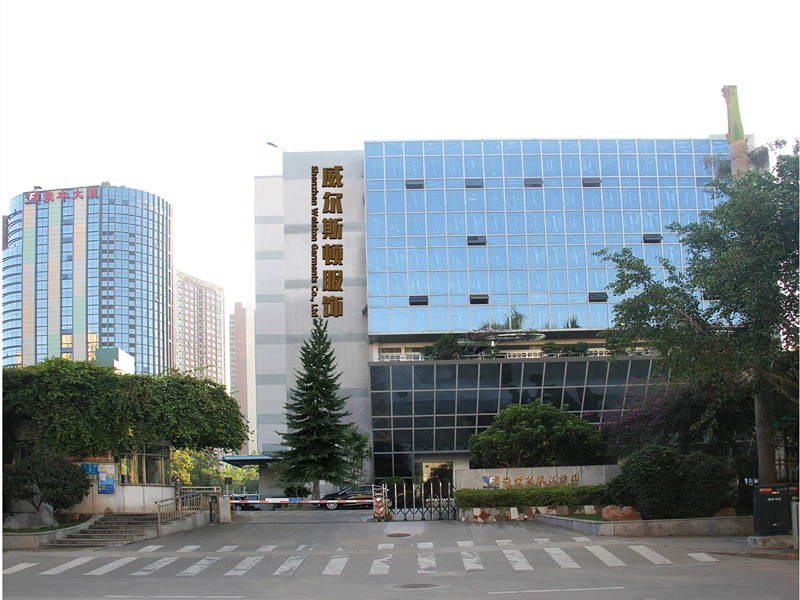
About Welston Garments