How to Choose Outdoor Sun Workwear for Summer?
When picking out summer work clothes for working outside in the sun, UPF-rated fabrics that block at least 98% of dangerous UV rays and let air flow and sweat escape are the best choices. Quality Outdoor Sun Workwear combines technical performance with worker comfort by using light materials, styles that let air flow, and long-lasting construction. Check for standards like ASTM or AS/NZS 4399, look at customization options, and choose sources that offer materials that are good for the environment. Protecting workers while also making sure they can do their jobs and stay safe in the sun during the summer is a matter of finding the right balance between safety, usefulness, and cost-effectiveness.
Understanding Outdoor Sun Workwear and Its Importance
What Defines Sun-Protective Workwear?
When people spend a lot of time outside, they need special clothes that protect them from harmful UV rays. This is called Outdoor Sun Workwear. These clothes are different from regular work clothes because they are made of tightly knit fabrics, colours that absorb UV light, or ceramic nanoparticle treatments that block both UVA and UVB rays. This difference is very important for the health of the workforce: regular cotton T-shirts only offer UPF 5-7 protection, letting 15-20% of UV radiation through. But approved Outdoor Sun Workwear has UPF 40-50+ ratings, stopping over 98% of these harmful rays. The design philosophy is more than just covering. Modern Outdoor Sun Workwear solves the problem of how to balance protection and comfort by including moisture-management systems, strategically placed ventilation panels, and light synthetic mixes that make it easier to control body temperature. Construction crews in Arizona, gardening crews in Florida, and farm workers all over the Midwest all have to deal with the same problems: strong sunlight and hard physical work that makes them hot inside. Quality Outdoor Sun Workwear solves this problem by coming up with new technologies instead of giving up one thing for another.
Health and Productivity Benefits in Outdoor Industries
Not getting enough sun protection at work can have both short-term and long-term effects on your health. Acute effects include heat stress, dehydration, and a loss of brain function, all of which make it harder to do your job and raise the risk of an accident. Occupational Safety and Health Administration studies show that workers who are suffering heat stress are up to 30% less productive and are much more likely to get hurt. Worries are even greater when contact lasts for a long time. According to the Skin Cancer Foundation, people who work outside are two to three times more likely to get non-melanoma skin cancers than people who work inside. This fact of statistics has real-world effects on businesses, like higher health insurance rates, workers' compensation claims, and missed workdays. Companies that are on the cutting edge now know that buying the right Outdoor Sun Workwear is more of an investment than an extra cost. In addition to health benefits, wearing the right clothes to protect yourself from the sun boosts mood and memory. Professional-grade Outdoor Sun Workwear makes employees feel valued and protected, which increases trust and lowers turnover—an important factor to consider in fields that are having trouble finding workers. Knowing that their boss cares about their well-being gives them psychological comfort, which has invisible but measurable benefits for teamwork and job happiness.
Key Criteria for Choosing Outdoor Sun Workwear
UPF Ratings and Fabric Technology
The UPF grade method is the main way that sun-protective fabrics are judged. You can get "UPF 15 to 24" protection, "UPF 25 to 39" protection, and "UPF 40-50+" protection. Professional Outdoor Sun Workwear should always have a UPF 50+ grade, especially in high-risk areas. Several things about the cloth make it work well: its tight weave density physically blocks light from Outdoor Sun Workwear passing through, its darker colours that absorb radiation, and its chemical processes that make UV absorption even better. Material structure has a big effect on both how well it protects and how well it wears. Most professional Outdoor Sun Workwear is made of synthetic mixes, which are usually polyester mixed with elastane or nylon. These fabrics are more resistant to photodegradation than natural fibres, so they keep their shape even when they are exposed to the sun all the time. Newer choices use recycled polyester, which is better for the earth without lowering performance. Some companies put titanium dioxide or zinc oxide bits right into the fibres, which protects them naturally and lasts for hundreds of wash cycles. With moisture-wicking technology, Outdoor Sun Workwear goes from just protecting you to actually making you feel good. Hydrophilic fibre techniques move sweat away from the skin and across the outside of the clothing, where it evaporates more quickly. This method helps the body's natural cooling system work better and keeps workers fresh. The best Outdoor Sun Workwear manages wetness and dries quickly, so clothes can still be used even when worn for multiple shifts or in humid conditions like those found in North America in the summer.
Functional Design Features
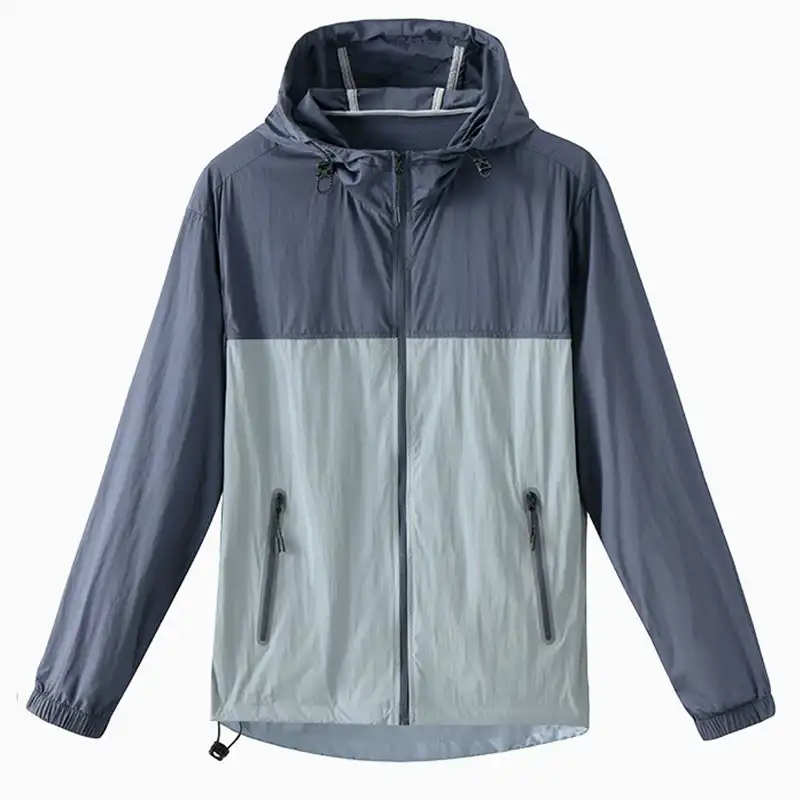
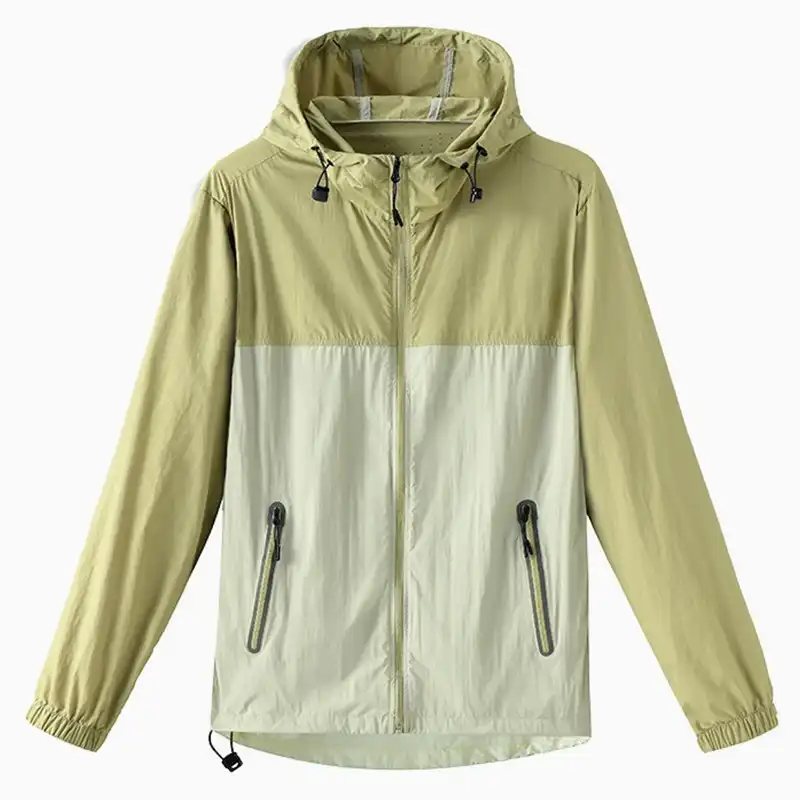
Effective Outdoor Sun Workwear goes beyond just using high-tech fabrics; it also has well-thought-out design elements. Maximizing coverage starts with longer torsos, high collars, and longer arms. These features close any gaps where skin can show when moving. Features that can be changed, like arms that zip off or collars that roll up and are held in place with buttons, make clothes more flexible as the weather and sun strength change throughout the day. Ventilation engineering solves the problem of heat buildup without lowering safety. Underarm gussets lined with mesh, back yoke vents, and carefully placed eyelets all help air flow while keeping UV protection in place. It is especially helpful to think about these things when designing things for gardening and building, where hard work generates a lot of body heat. The North American market wants this dual usefulness more and more because they know that workers won't wear safety gear that is difficult, even if they have to. Reflective materials are used for more than one thing in the design of Outdoor Sun Workwear. High-visibility markings meet ANSI/ISEA 107 safety standards for building roads and maintaining infrastructure. They also reflect sun's energy to keep surfaces cooler. Some new designs use reflective mesh screens that let air flow through and improve sight at the same time. This is a useful combination for highway teams and utility workers who work near traffic.
Comparing Outdoor Sun Workwear Options in the Market
Sun-Protective Workwear vs. Standard Work Clothing
When you look at the differences between Outdoor Sun Workwear and regular work outfits side by side, they become very clear. Standard work shirts made of basic cotton twill usually offer UPF 5–10 protection when they are first bought, but this protection decreases with use and cleaning. As fibres and weaves become less stable, more UV light gets through, giving the impression of safety when it's not. Even though workers think they are safe because they are wearing long sleeves, they are still dangerously exposed. Engineered fabrics that are especially made to block UV rays are used to make high-quality Outdoor Sun Workwear. Whether it's through tighter yarn spacing, changed polymer structures, or built-in UV-blocking additives, the fibre design itself provides consistent protection that lasts the lifecycle of the clothing. The higher price is because of this basic difference: the value offer is based on reliable, long-term performance rather than temporary looks. A cost study should look at more than just the price per unit; it should also look at the total protection value. An Outdoor Sun Workwear shirt with confirmed UPF 50+ protection that can be worn over 200 times is a better deal than three standard shirts that don't offer much protection and need to be replaced often. Lifecycle costing is being used by more and more progressive buying teams, which know that initial savings often lead to higher long-term costs due to premature replacement and possible health-related costs.
Lightweight vs. Heavy-Duty Options
The right weight group for buying Outdoor Sun Workwear is based on the unique needs of the job. Options that are light (usually 120-160gsm) work best in situations with a lot of heat and mild exercise. Maximum breathability and minimum weight are good for landscaping teams, farm workers, and tour guides. These clothes are designed to be comfortable to wear for long periods of time, allowing a full range of motion without being too bulky. During the summer months in North America, when temperatures regularly stay above 85°F, there is a strong demand for light Outdoor Sun Workwear. Mid-weight Outdoor Sun Workwear (180-220gsm) is a good choice for building managers, site maintenance teams, and utility workers because it is durable and comfortable. This group can handle some wear and tear from tools and equipment while still letting air flow through. Mid-weight choices are popular for mixed-duty jobs where workers have to deal with light to moderate physical demands throughout their shift because they are so flexible. When Outdoor Sun Workwear needs to protect against more than one thing at the same time, heavy-duty requirements become important. Welston, on the other hand, specializes in professional and everyday Outdoor Sun Workwear, not harsh industrial uses. Our product line is aimed at the middle market, which includes people who work in building management, gardening, farming, and outdoor retail. For these jobs, sun protection is still the most important thing, but they don't need any heavy-duty features. This focused method lets us get the best comfort and UV protection without adding extra weight or cost.
Procurement Considerations for B2B Buyers
Volume Pricing and Customization Options
Buying in bulk has a big effect on how much the Outdoor Sun Workwear programmes actually cost. Different suppliers have different minimum order numbers. For example, Welston's minimum order quantity is 100 pieces, which is a good starting point for mid-sized businesses looking to try out new suppliers or seasonal teams that only need a few items. Volume pricing structures usually kick in when you order 500 or more units, and when you order 1,000 or more units, you start saving a lot of money. To get the best deals, procurement teams should figure out which areas and regions will need each year. Customization options make Outdoor Sun Workwear useful for more than just protecting you from the sun. They can also be used to show off your brand. Embroidery, screen printing, and heat transfer can be used to turn plain clothes into professional outfits that help a company's image. Our customization services can meet very specific needs, such as Pantone colour matching to keep your brand's look consistent, multiple logo placements, and personalized name embroidery to show appreciation for your employees. These choices are especially useful for chain stores, hotels, and service businesses where customers' perceptions of the brand are affected by how visible it is. Having a choice of materials lets buying teams make sure that the requirements for Outdoor Sun Workwear in the sun are in line with budget and environmental goals. Standard polyester mixes have been shown to work well and are affordable. Options made from recycled polyester cost a little more, but they are better for the environment, which is something that North American business buyers are thinking about more and more as they try to meet stakeholder standards. Our buying team can help you choose the right materials based on your particular needs, while also keeping cost concerns in mind, and meeting performance and environmental goals.
Supply Chain Reliability and Lead Times
Transparency in production ordering stops disruptions in buying that threaten seasonal readiness. Standard orders for Outdoor Sun Workwear through Welston have clear lead times: 7–10 business days for sample approval, then 25–35 days for full production, based on how complicated the order is and how many changes need to be made. Urgent needs can be met with rush production, but planning ahead gets you the best prices and production slots. Orders should be placed by procurement teams 60 to 75 days before they are supposed to be sent out. This gives enough time for shipping and quality checks. Logistics planning has a big effect on the total landing cost of buying Outdoor Sun Workwear. Our long-term shipping partnerships give us safe transit times and reasonable freight rates to places in North America. Purchasing managers can choose from different shipping options, such as express air freight for quick restocking, normal air freight for a good mix of speed and cost, or ocean freight for the best value on big orders. When customers buy several pieces of clothing at the same time, consolidated shipping across product categories saves them the most money on freight. Quality assurance procedures protect purchase investments by making sure that Outdoor Sun Workwear meets requirements before it is shipped. Some of the things we do during inspection are UPF verification samples, dimensional accuracy checks, quality reviews of customizations, and flaw screens. Shipments come with detailed inspection records that can be used as proof of receipt. This methodical technique cuts down on rejections and the costs of rework that mess up plans for uniform rollouts.
Practical Use Cases and Success Stories
Landscaping and Grounds Maintenance Applications
Professional gardening companies have special needs when it comes to Outdoor Sun Workwear because they are exposed to long periods of UV light, do physically hard work, and have to bend and reach a lot. They are also exposed to plants that can snag or stain fabrics. In the southern and southwestern United States, teams that take care of corporate sites, public parks, and private properties have to deal with especially harsh solar conditions in the summer, when demand for their services is highest. Landscaping managers say that switching to proper Outdoor Sun Workwear cuts down on complaints about the heat and tiredness in the middle of the shift. When UPF 50+ protection is combined with fabrics that wick away sweat, crews can keep working in the afternoon, when the sun's strength would normally make them less active. Workers who were used to wearing T-shirts didn't like lightweight long-sleeved designs at first, but teams quickly started wearing them because they were more comfortable—the wicking and evaporation cooling actually feels cooler than skin that is exposed to direct sunlight. For gardening purposes, durability factors like strengthened seams at stress points, colorfast dyes that don't change the colour of grass stains, and soil-release finishes that make washing easier are important. These useful features make clothes last longer in tough circumstances, which lowers the cost of Outdoor Sun Workwear safety programmes. The feedback from clients consistently stresses that worker hiring rates go up when clothes are useful for the job rather than just protecting against the sun.
Construction Site Management
Construction supervisors, project managers, and site engineers work in a role that is between field labour and office work. They spend a lot of time outside inspecting, coordinating crews, and keeping an eye on progress, but they don't do heavy manual labour that would require heavy-duty PPE. People in this group are perfect candidates for professional Outdoor Sun Workwear that mixes style, comfort, and safety. The people in charge of a construction site really like styles for Outdoor Sun Workwear that look professional and do their job well. When dealing with clients or regulators, button-front shirts with subtle branding show power and professionalism. Underneath, UPF-rated fabrics and ventilation systems keep you cool and comfortable on site walks in the summer sun. The two needs of these jobs are met by being able to look good in meetings in the morning and be comfortable during inspections in the afternoon. As part of their efforts to keep workers from getting heat illness, a number of building management firms have standardized programmes for Outdoor Sun Workwear. Most of the time, these methods work with OSHA's heat stress rules, making clothing that protects workers from the sun an important part of larger safety programmes. Corporate risk management teams know that providing proper safety tools, like Outdoor Sun Workwear, is a sign of due care that can affect liability outcomes if heat-related accidents happen.
Agricultural Supervision and Farm Management
Agricultural activities may be the easiest places to use Outdoor Sun Workwear, since workers spend their whole shifts in full sunlight with little shade. The amount of UV light that farm managers, crop supervisors, and field workers who watch over irrigation, pest control, and harvesting operations is much higher than in most other jobs. During the growth seasons, the farming sector in North America works in harsh solar conditions, especially in California's Central Valley, Texas, Florida, and the Midwest food belt. For farm work to be useful, you need Outdoor Sun Workwear that doesn't get organic stains, doesn't get caught on plants and tools, and stays comfortable even when you're working hard. According to feedback from grape and orchard workers, articulated fit is very important. This means that clothes should be able to bend, reach, and climb without getting too tight or riding up. Even though they look a lot alike, these useful needs make Outdoor Sun Workwear different from hiking clothes for fun. A study of the economy shows that farming Outdoor Sun Workwear programmes have a very high ROI. The relatively low cost per garment has measured health effects that lower insurance costs and workers' compensation claims. A number of agricultural cooperatives and big farming operations have seen a 15-20% drop in medical emergencies caused by the heat after putting out complete sun protection equipment. These results directly lead to financial gains that make it okay to see Outdoor Sun Workwear as an investment in your health rather than a practical cost.
Conclusion
It's important to find the right balance between technical performance, comfort, sturdiness, and cost-effectiveness when choosing Outdoor Sun Workwear for the summer. Purchasing teams should focus on UPF 50+ clothing that wicks away moisture and has confirmed certifications. This will make sure that workers get real protection and not just marketing promises. Buying good Outdoor Sun Workwear pays off in a big way: fewer illnesses from the heat, more work getting done, and happier workers. Successful application stretches beyond product selection to cover supplier relationships, customization line with brand identity, and instructions around proper care and maintenance. The North American market is becoming more aware that buying Outdoor Sun Workwear is more of a strategic investment in the workforce than just buying a commodity. This shift in perspective means that reliability, responsiveness, and technical support capabilities are now more important than price when choosing a supplier.
FAQ
1. How does UPF protection in outdoor sun workwear differ from SPF in sunscreen?
How well a fabric blocks both UVA and UVB radiation is measured by UPF. This tells you how many UV rays get through the fabric. SPF measures UVB protection and the amount of time that passes before the skin turns red. Outdoor Sun Workwear regularly blocks 98% of UV radiation while worn. Sunscreen, on the other hand, loses its usefulness when you sweat, needs to be reapplied every two hours, and often misses areas that need covering. Fabric safety stays the same no matter how active you are or how long you do something.
2. Can outdoor sun workwear maintain protection after industrial washing cycles?
If you follow the care instructions, good Outdoor Sun Workwear that protects naturally through tight weaves, UV-absorbing fibre modifications, or inserted ceramic particles will keep working for 100 to 150 wash cycles or more. If you only use cosmetic chemical solutions on clothes, they may wear out faster. Check to see if security is "inherent" or "applied" when evaluating the purchase, and ask sellers for proof of wash durability.
3. What minimum order quantities should we expect for customized outdoor sun workwear?
Welston sets an easy-to-reach minimum of 100 pieces for custom Outdoor Sun Workwear sales, which works for medium-sized businesses and seasonal needs. Adding a logo through screen printing or stitching doesn't cost much more per unit at these levels. Orders of 500 to 1,000 units or more can take advantage of bulk price options that greatly lower the actual cost per garment while still allowing full customization.
Partner with Welston for Premium Outdoor Sun Workwear Solutions
When purchasing, teams are looking for dependable Outdoor Sun Workwear providers. Welston has the best mix of production capacity, quality guarantee, and quick service. Since we've been designing and making professional clothing for 26 years, we have the knowledge to help you choose the best products for your needs. We can keep the standard of all orders the same because we have three plants, ten production lines, and high-tech Japanese and Taiwanese tools. Our line of Outdoor Sun Workwear includes materials that are approved UPF 50+, technologies that wick away sweat, and ways to customize that keep your brand's look. With a low minimum order size of just 100 pieces, businesses of all kinds can get professional sun protection. We know how important it is to get ready for the season quickly. Our streamlined production and established North American shipping partnerships will protect your workers before the busy summer months start. Get in touch with our business-to-business team at [email protected] to talk about your needs for Outdoor Sun Workwear. We'll give you clear pricing information, full product specs, and sample choices so you can check the quality before placing large orders.
References
1. Occupational Safety and Health Administration (2017). "OSHA Technical Manual: Heat Stress." Washington, DC: U.S. Department of Labour.
2. Skin Cancer Foundation (2019). "Sun Protection for Outdoor Workers: A Comprehensive Guide." New York: Skin Cancer Foundation Press.
3. American Society for Testing and Materials (2020). "ASTM D6603-19: Standard Guide for Labeling of UV-Protective Textiles." West Conshohocken, PA: ASTM International.
4. Standards Australia/Standards New Zealand (2017). "AS/NZS 4399:2017 Sun Protective Clothing—Evaluation and Classification." Sydney/Wellington: Joint Technical Committee.
5. American Association of Textile Chemists and Colorists (2021). "AATCC Test Method 183: Transmittance or Blocking of Erythemally Weighted Ultraviolet Radiation through Fabrics." Research Triangle Park, NC: AATCC.
6. National Institute for Occupational Safety and Health (2018). "Criteria for a Recommended Standard: Occupational Exposure to Heat and Hot Environments." Cincinnati, OH: NIOSH Publications.
We specialize in designing, producing, and selling corporate clothing. Mainly produces: industrial clothing, business uniforms, and work clothes for different companies.
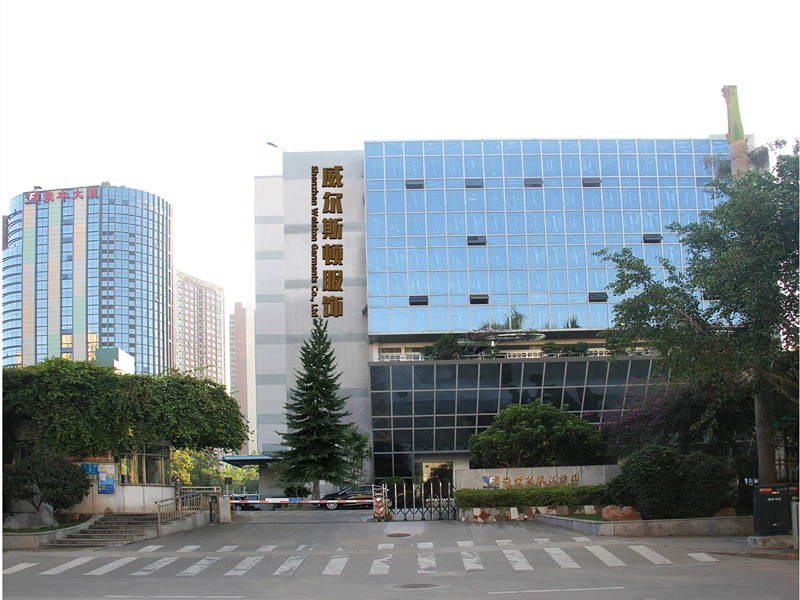
About Welston Garments