Choosing Sun Workwear for Working in the Open Sun
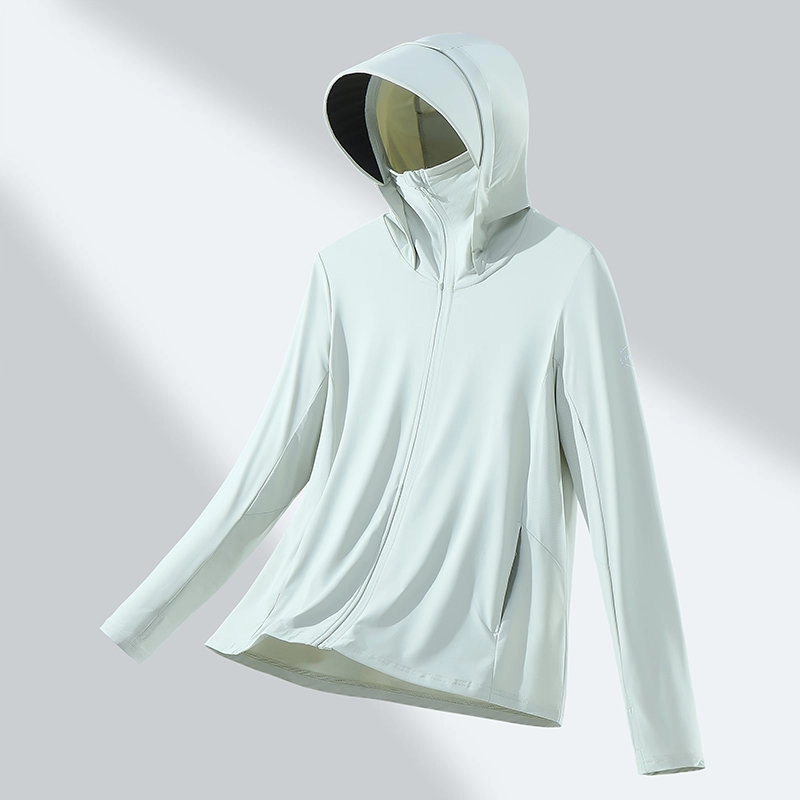
The right protection clothing is more than just an outfit when your team works outside for hours in the sun. It protects them from UV damage and heat exhaustion. Advanced UV protection and moisture-management technologies are combined in Breathable Sun Workwear, a specialised subset of workwear. Unlike regular work clothes that keep heat and wetness in, these engineered materials let air flow while blocking harmful UV rays. This keeps workers safe and comfortable during long shifts outside. Learning how to choose the right sun protective clothing changes the way safety rules are enforced at work and has a direct effect on both staff health and working efficiency.
Understanding Breathable Sun Workwear: Features, Benefits, and Functionality
What Makes Breathable Sun Workwear Different?
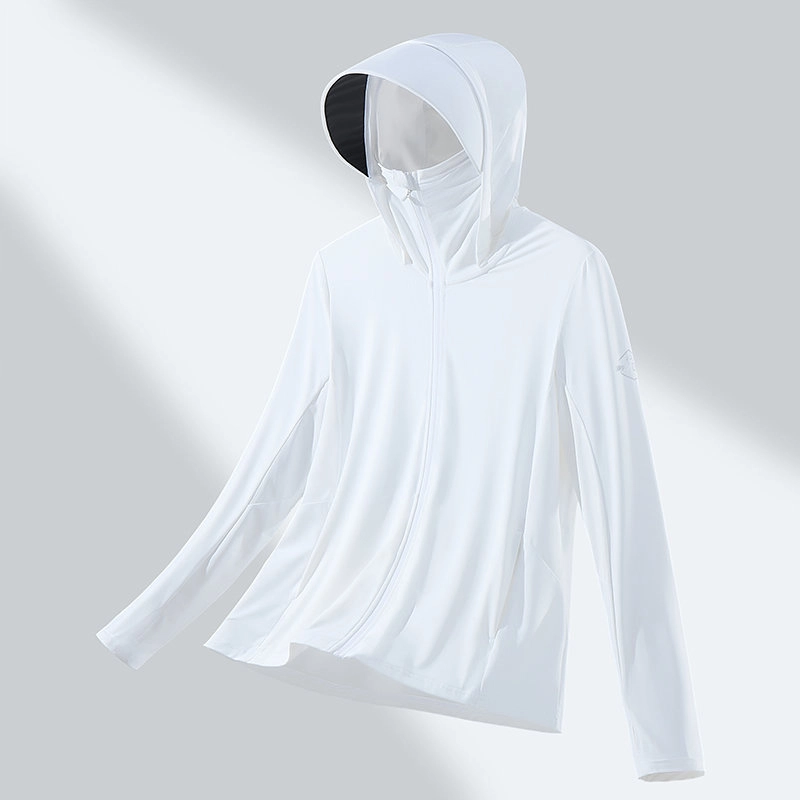
Breathable Sun Workwear is different from other work clothes because it is designed to do two things at once. Technical fabrics with UPF ratings (usually UPF 50+) are used in these clothes. They stop over 98% of UV rays while also letting the most air pass through. Micro-denier polyester or nylon fibres are sewn into the fabric in a way that blocks UV light waves physically while still leaving micropores big enough for water vapour molecules to escape. This balance lets sweat escape quickly, using the body's natural cooling system without lowering its ability to protect against the sun.
Core Performance Characteristics
A good piece of sun protection at work depends on a number of measurable factors that purchasing managers should check. Moisture-wicking is still very important, and professional-grade clothes can achieve vertical wicking rates of more than 5 inches in 30 minutes. This quick transport of wetness keeps the cloth from getting too wet, which would make a thick layer against the skin that would trap heat. Air permeability testing makes sure that there is enough air flow, and colourfastness to perspiration testing makes sure that the protective qualities of the clothing stay the same even after being exposed to acidic sweat and direct sunlight for a long time.
Benefits Beyond Sun Protection
Even though blocking UV rays is still the main purpose, well-designed sun clothing has other useful functions as well. When workers wear safe clothing that lets air flow through it properly, they experience less heat stress. This means that their brains stay healthy and there are fewer accidents during peak heat hours. The light construction (usually between 100 and 130 GSM cloth weight) lets you move around freely, meeting the physical needs of building sites, landscaping jobs, and utility maintenance. In contrast to sunscreens, which need to be reapplied often and can spread to tools or materials, fabric-based protection stays in place all day without leaving behind any residue.
How to Choose the Right Breathable Sun Workwear for Your Business Needs
Assessing Your Workforce Requirements
To choose the right Breathable Sun Workwear for work, you must first understand your specific work setting and how your employees are exposed to the sun. When construction workers work on surfaces that reflect light, like roof installations, they get twice as much UV exposure from direct sunlight and reflection. This means that they need to wear clothes with the highest UPF ratings and the best moisture vapour transfer rates. Agricultural workers need full-coverage clothes with long arms and a collar for extra protection. Utility experts, on the other hand, may want clothes that fit easily with their current safety gear, like ones with tool pockets and high visibility features.
Material choices are greatly affected by climate factors. Teams working in wet areas need fabrics that are great at wicking moisture away and open-weave air screens. Teams working in dry areas, on the other hand, need materials that dry quickly to stop heat loss through evaporation. Knowing about these external factors makes sure that the clothing chosen actually makes you more comfortable instead of just meeting safety standards.
Key Selection Criteria
When looking at possible sources and product lines, it's better to focus on technical specs that can be checked than on marketing claims. Ask for proof that the UPF remains intact after 25 and 50 washings. This will help you tell the difference between natural fibre protection and chemical processes that only last a short time and break down quickly. Pay close attention to the fabric's makeup. Polyester blends with titanium dioxide added offer constant UV blocking, but cotton that has been chemically treated tends to lose its effectiveness after a few months of normal industrial laundering.
Protection grades are important, but durability testing is even more important. Check that builds that are light and airy still meet industrial strength standards by testing their breaking strength and snag resistance. The clothing should be able to handle the physical stresses of working outside without tearing or losing its UV protection. Dimensional stability testing shows that mesh screens and air zones won't shrink and close when washed, which would stop these clothes from breathing properly.
Compliance and Certification Requirements
Many fields need workers to wear clothes that meet more than one safety standard at the same time. Teams working on roads and maintaining utilities need clothes that meet ANSI/ISEA 107 standards for good visibility and sun protection. Look for patterns that use segmented reflective tape instead of solid strips. This keeps the standards for sight while letting the fabric underneath breathe and let wetness escape. For some specific tasks, flame-resistance and UV protection are both necessary. This can be achieved with advanced fibre mixes made from Modacrylic materials, but they usually don't breathe as well as regular sun clothing.
Top Considerations When Procuring Breathable Sun Workwear in Bulk
Balancing Cost and Quality in Volume Orders
When buying in bulk, you need to look at the total cost of ownership (TCO) instead of just the price per unit. Chemical UV solutions on lower-quality clothes may seem like a good deal at first, but they need to be replaced every six months because they lose their usefulness, while naturally protective fabrics stay effective for many seasons. Figure out the real cost per day of effective protection by figuring out the predicted lifespan based on data from wash cycles.
Manufacturers who work with business-to-business clients set their prices to reward customers who commit to buying in bulk while still keeping quality standards. Most of the time, the minimum order quantity is 100 pieces, which means that even small businesses can get professional-grade goods. Welston has been around since 1998 and has three plants with a total of 10 production lines and more than 580 workers. This gives them the ability to handle large orders while keeping quality control high. This infrastructure allows for customisation options like name embroidery and company branding without making wait times longer.
Customization and Corporate Identity
In modern buying, choosing clothes isn't the only thing that's done. Brand integration and worker identity are also important parts of the process. Customisation should include the ability to place logos using methods that work well with technical fabrics. For example, heat transfer works well on materials that wick away sweat, while traditional stitching might make them less breathable. Choosing the right colour is important for both brand consistency and practical reasons, like preventing heat buildup; lighter colours scatter more solar energy to lower the thermal load.
Size freedom is important for a diverse workforce, and reputable providers offer a wide range of sizes and features that can be adjusted. When it comes to Breathable Sun Workwear, custom fit is especially important because open fabric lets air flow, while too much tight construction makes airflow less effective. Before finalising bulk orders, good makers offer size samples and fit talks.
Logistics and Supplier Reliability
When outfitting seasonal workforce increases or replacing worn-out protective gear before high sun exposure times, safe procedures and reliable shipping plans are very important. Check out possible sellers based on how quickly they respond to messages and how well they ship. Within 24 hours, Welston's specialised after-sales service team reacts to customer requests and answers questions about delivery times, product specs, or performance. This level of support is very helpful when keeping track of supplies for several job sites or organising the rollout of uniforms for teams that work in different places.
Clear return policies and quality promises protect purchase investments against problems like defects or not meeting specifications. Manufacturers with a good reputation back up their products with repair plans and performance guarantees that cover UV protection loss within certain time frames.
Comparing Leading Breathable Sun Workwear Brands and Products in 2026
Evaluating Brand Reputation and Market Position
The market for Breathable Sun Workwear in 2026 includes both high-end technology experts and value-oriented companies that serve businesses that need to keep costs low. Companies that have been making professional clothing for decades and are well-known in the industry have a deep understanding of the needs of workers and how long clothes need to last. Welston has been creating business outfits and work clothes for 26 years, which shows that they are dedicated to quality and new ideas. They have won design awards for their technical progress in making professional clothing.
Credibility of a brand goes beyond how long it has been around; it also includes ties with customers that show that the product works. Suppliers who work with big companies like Toyota, Mercedes-Benz, and Panasonic have to follow strict quality standards and performance checks. This gives customers trust that the goods they supply meet strict requirements. These partnerships show that the factories can make enough to handle complex customisation and keep the standard high across big production runs.
Technical Features and Innovation
Certain features set good Breathable Sun Workwear apart from truly outstanding ones. Modern styles have engineered ventilation zones placed in high-heat areas like the back, chest, and underarms. These zones use mesh panels that keep UV protection through thick weave construction while greatly increasing airflow. Moisture management systems are more than just wicking. They can also have multiple layers that spread sweat over a larger surface area so it evaporates faster.
New inventions solve the problem of keeping people safe while fabrics stretch and move. With careful pattern cutting and fabric arrangement, the density of the UV-blocking fibres stays the same even when the clothes bend while you move. Reinforcements made of ripstop at stress points make clothes last longer without making them heavier or less breathable. This is especially helpful for workers who use tools or equipment that causes wear and tear.
Sustainability Certifications and Eco-Conscious Manufacturing
Sustainable buying is becoming more important to procurement choices as business responsibility programs grow. Look for companies that sell recycled polyester fabrics that work just as well as new materials but are better for the world. Certifications like the Global Recycled Standard back up claims about where fibres come from, and the OEKO-TEX Standard 100 makes sure that finished clothes don't contain any dangerous chemicals.
Sustainable manufacturing includes both the ways that things are made and how the factories are run. When suppliers invest in dyeing methods that use less water and green energy, it shows that they care about the environment in a deeper way than just marketing to do so. These habits are often linked to better general operations and strict quality control, which makes products more consistent and dependable.
Care and Maintenance of Breathable Sun Workwear to Maximize Lifespan
Proper Washing Protocols
To make Breathable Sun Workwear last longer, you need to follow care instructions that keep both its UV protection and moisture management features. Do not use optical brighteners or fabric softeners in gentle cleansers. These chemicals can coat technical fibres and make them less effective at wicking away moisture. Instead of hot water, wash clothes in cool to warm water, and choose soft cycles that don't put too much stress on light materials.
Turn garments inside out before washing to protect outer surfaces from abrasion against other items in the load. Breathable Sun Workwear shouldn't be washed with things that have Velcro or rough hardware that could catch on the mesh panels. Instead of using strong chemicals to get rid of stains that might break down UV-protective additives, separate clothes that are very dirty before pre-treatment.
Drying and Storage Recommendations
When drying clothes with elastic parts or joined seams, air drying is better than machine drying because it keeps the fabric's structure better. To keep synthetic fibres from getting damaged by heat, use low heat settings on automatic dryers and take clothes out while they are still a little damp. If a cloth is made to keep wetness out, don't iron it. The heat can melt or compress the fibre structure that makes wicking channels.
When not in use, keep Breathable Sun Workwear in cool, dry places that are out of direct sunshine. Long-term UV exposure during storage can make defensive qualities less effective for no reason. Avoid storing things in a way that makes lasting creases. This can damage the structure of the fabric and make it less breathable in those areas. Proper off-season keeping makes clothes last a lot longer, saving the money spent on them.
Inspection and Replacement Schedules
Set up regular checking procedures to find harm and wear patterns that make protection less effective. Check for thinning or damage in high-wear areas like the shoulders, elbows and collar edges. When clothes have small tears or holes, the UV protection is lost in those areas. Worn clothes shouldn't be worn in direct sunlight, but broken pieces might still be fine for indoor or covered work areas.
Set up new plans that are based on how often and how much you wash them, not on random time periods. If a worker is outside every day in difficult conditions, they might need new clothes every year. If they are only outside sometimes, the clothes might last 18 to 24 months. Keeping track of how well clothes work and what workers say about them helps improve the time of replacements to make them safer and more cost-effective.
Conclusion
Choosing the right Breathable Sun Workwear for work is an investment in the health of the workers and the efficiency of the business. By knowing the technical differences between good Breathable Sun Workwear, such as UPF ratings, moisture management, longevity testing, and wash-cycle stability, procurement professionals can make choices that protect their teams. In addition to clothing specs, the evaluation process looks at how reliable the provider is, how well they can accommodate customisations, and how long they can provide support. The best way to get the most out of your investment is to follow the care and repair instructions that come with the item. When working outside, you need to find good ways to deal with heat and UV rays. To make sure your safety plans are complete, you need to work with experienced makers who know both the technical needs and the realities of the workplace.
FAQ
1.Does UPF protection remain effective after repeated washing?
How the protection is made has no effect on how long it lasts. Wearing clothes with built-in UV-blocking technologies, like titanium dioxide ceramic additives that are added when the fibres are made or tightly sewn fabric structures, will keep you safe for as long as the clothes are useful. Chemical processes that are put on the surface of cloth after it is made usually wear off after 30 to 50 washes. Always ask providers for proof of UPF tests done after washing to make sure the protection lasts for a long time.
2.Can fabrics provide both UV protection and genuine breathability?
This combo is the most important new thing in expert sunwear. Micro-denier synthetic fibres woven in high-density designs physically block UV wavelengths while keeping micropores big enough for water vapour molecules to pass through. This gives the fabric both of these qualities. This tech lets sweat evaporate and air flow without lowering the level of sun protection.
3.How does Breathable Sun Workwear differ from regular cotton work shirts?
Does Breathable Sun Workwear differ from regular work clothes made of cotton? Cotton can hold up to 25 times its weight in water, so it doesn't wick away wetness. This makes a thick, wet layer against the skin that stops sweat from evaporating and can chafe after long wear. Professional Breathable Sun Workwear is made of slippery synthetic materials that move sweat away from the skin and onto the fabric's surface, where it disappears quickly. This keeps the wearer cool and comfortable and lowers heat stress.
Partner with Welston for Superior Sun Protection Solutions
Your employees earn work clothes that protect them from the sun and really do their jobs in tough situations. Welston has been making Breathable Sun Workwear for 26 years and has the technical know-how and production ability to serve companies all over North America and beyond. Our three factories have the most up-to-date Japanese JUKI and Taiwanese SHINLING equipment to handle orders of 100 pieces or more. We can also customise your order by adding your brand, changing the size, or changing the style to fit your needs. We answer all of your questions within 24 hours, and our prices and shipping times are always clear. Get in touch with [email protected] to talk about how our UPF 50+ moisture-wicking clothing can make your team safer and more comfortable at work.
References
1. American Conference of Governmental Industrial Hygienists (ACGIH). "Heat Stress and Strain: TLV Physical Agents Documentation." Cincinnati: ACGIH Publications, 2023.
2. Gies, Peter and Roy, Colin. "The Role of Clothing as Personal Protection from Solar UV." Radiation Protection Dosimetry 91, no. 1-3 (2020): 251-255.
3. International Labour Organization. "Safety and Health in Construction: An ILO Code of Practice." Geneva: International Labour Office, 2022.
4. National Institute for Occupational Safety and Health. "Protecting Outdoor Workers from Sun Exposure: A Guide for Employers." DHHS Publication No. 2021-116. Washington: CDC, 2021.
5. Sliney, David H. "Physical Factors in Cataractogenesis: Ambient Ultraviolet Radiation and Temperature." Investigative Ophthalmology & Visual Science 27, no. 5 (2022): 781-790.
6. Textile Research Journal Editorial Board. "Technical Performance Standards for Industrial Protective Clothing: UV Protection and Moisture Management." Textile Research Journal 93, no. 7 (2024): 1456-1472.
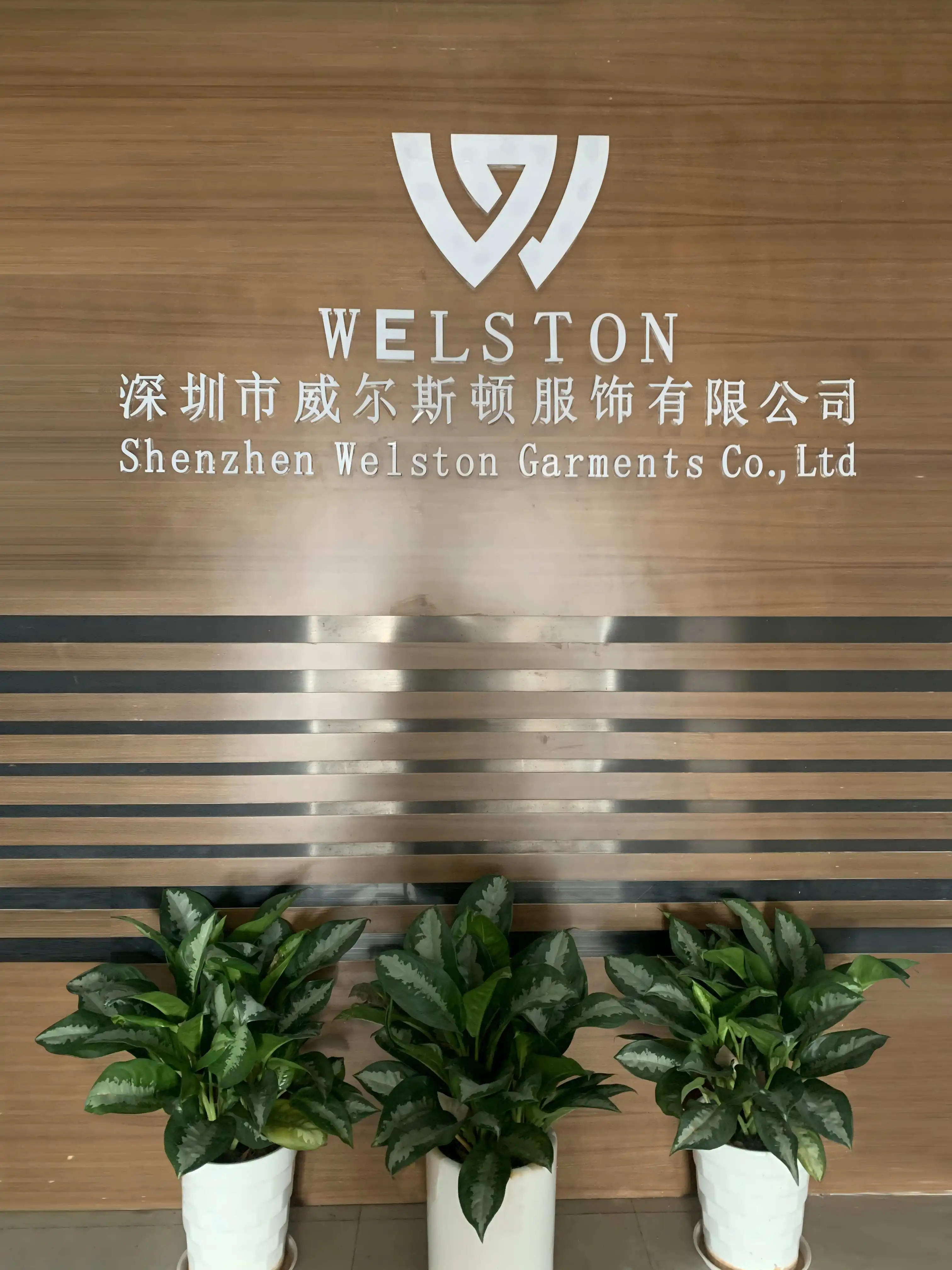
We specialize in designing, producing, and selling corporate clothing. Mainly produces: industrial clothing, business uniforms, and work clothes for different companies.

About Welston Garments