Where to Buy Denim Work Pants Online in 2026
Procurement managers have to make a lot of choices about suppliers, quality standards, and volume prices when they are looking for trusted places to buy durable cotton twill denim work pants for professionals. The best way to do it is to look at both specialised B2B makers like Welston and well-known industrial clothing wholesalers. When buying in bulk, working directly with manufacturers can often mean better quality control, more customisation choices, and lower prices. This is especially true for construction companies, logistics companies, and business uniform programs across North America. To find the best place to buy these necessary clothes online, you need to look at the supplier's skills, the product details, and the possibility of a long-term relationship.
Understanding Denim Work Pants: Key Features and Benefits
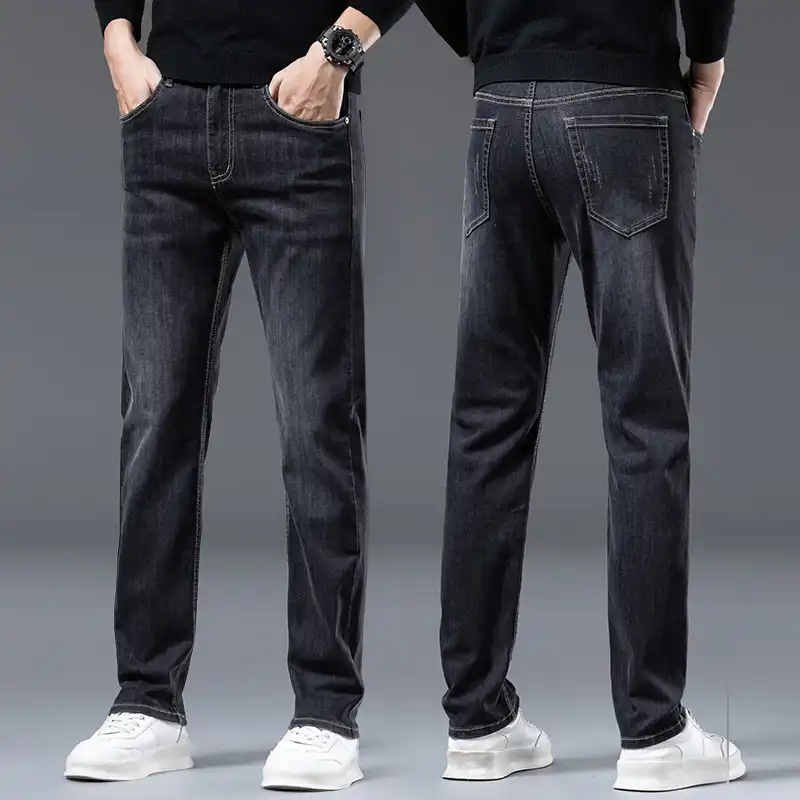
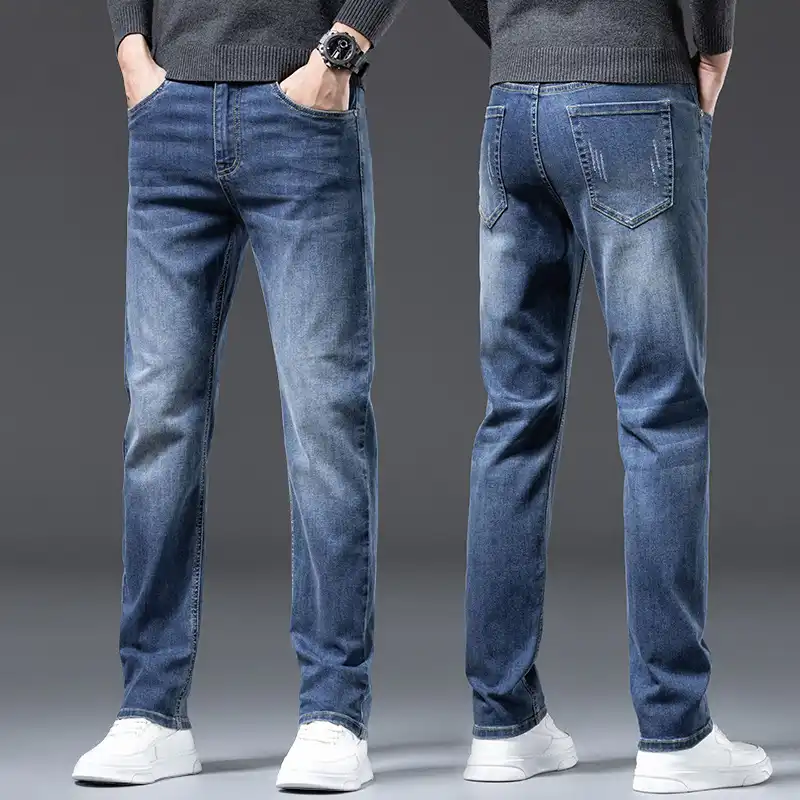
Indigo-dyed cotton twill professional denim work pants are more than just a fashion statement; they are also important safety gear for industrial settings. When it comes to fabric engineering, high-quality workwear is very different from regular denim work pants. It has a denser weave, stronger stress points, and useful design elements that are specific to the needs of the trade.
What Makes Industrial Denim Different
Industrial-grade cotton twill usually weighs between 12oz and 15oz per square yard. It is very resistant to wear and tear without losing its ability to breathe. This heavyweight design will last for a long time in tough work settings where lighter fabrics would wear out quickly. Because the tight weave design protects against small cuts and rough surfaces, these clothes can be used on building sites, in warehouses, and in light manufacturing facilities.
Triple-needle stitching along key seam lines keeps the fabric from separating too soon when it's stressed, and bartack supports at pocket corners and belt loops spread the load forces well. Many clothing companies now use gusseted crotch designs that move the stress away from weak seam convergence places. This makes the clothes last a lot longer and makes it easier to move around while doing hard physical work.
Essential Features for B2B Buyers
When buying denim work pants for their employees, procurement teams should put certain style elements at the top of their lists. Tool loops and hammer cases let you get to your tools without using your hands, which speeds up work and reduces interruptions. Knee panels that are reinforced and often made of two layers protect against wear from standing a lot. This is especially helpful for electricians, plumbers, and HVAC workers.
Modern versions sometimes have stretch technology added by mixing in very little lycra (usually 1% to 2%), which increases the range of motion without taking away from the defensive properties of pure cotton. This new idea solves the problem of having to choose between sturdiness and comfort, so workers can stay flexible during long jobs while still benefiting from the fabric's natural resistance to heat and wear.
Cotton twill fabrics let air flow through them, which helps keep body temperature steady while working out, lowering heat stress compared to synthetic fabrics. This naturally wicking away of moisture trait is especially useful for workers in mild areas or places where the temperature changes often, like in the US and European markets.
Top Online Sources to Buy Durable Denim Work Pants in 2026
To find your way around the online market for denim work pants, you need to know about the different types of suppliers and how they can help you save money when you buy in bulk.
Direct Manufacturer Partnerships
For buyers in large quantities, connecting directly with specialised production plants has a lot of benefits. Manufacturers like Shenzhen Welston Garment Co., Ltd., which has been making business uniforms and professional denim work pants for over 26 years, can customise a lot of things that stock wholesalers can't. Their three-factory system with ten production lines makes sure they can handle large orders while keeping quality high.
Direct sourcing gets rid of markups on middlemen, which means that building companies and transportation companies that buy in bulk can get better unit economics. This method can be used by even medium-sized businesses because the minimum order number is only 100 pieces, and there are many ways to make it unique, such as adding a brand, choosing the exact pocket layout, and the fabric weight.
When you work directly with production units, quality control is easier to see. Manufacturers who use high-tech equipment from providers like JUKI and SHINLING usually follow strict checking procedures to make sure they meet standards for physical stability and seam strength. This direct supervision lowers the number of defects and cuts down on the cost of refunds and repairs.
Specialized B2B Platforms
Industry-specific online markets bring together many sellers, making it easier to compare prices and find products that meet your needs. Many of the time, these sites have verified accounts of manufacturers, reviews from customers, and ways to order samples that lower the risk of buying something. The competitive environment leads to good prices and gives suppliers backup choices to make the supply chain more stable.
Specialised platforms often give extra services that add value, such as third-party quality checks, combined shipping, and ways to protect payments. These features are especially helpful when buying from foreign makers because they ease worries about the quality of the goods and the safety of the transactions.
Established Industrial Apparel Brands
Well-known brands have large online distribution networks that include both direct methods and authorised stores. Even though unit costs are usually higher than what you'd pay directly from the maker, these sources make smaller amounts available right away and make the reordering process easier. Brand uniformity can make it easier to standardise across many sites for businesses that run across the country.
A lot of well-known names have built strong partnerships with big stores and building companies all over North America, and they offer special deals for bulk orders that come in often. Their guarantee programs and well-established after-sales support systems give procurement managers even more peace of mind when they put reducing risk ahead of minimising costs completely.
Comparison of Denim Work Pants vs. Other Work Pants Fabrics
Material choice has a big effect on how well clothes work, how happy workers are with their clothes, and the total cost of ownership for denim work pants projects.
Denim Versus Canvas
Both materials are very durable, but important differences influence their optimal applications. Cotton twill weave makes a unique vertical stitching that is very strong at tensile strength while still being fairly flexible. Canvas, which usually has a smooth weave, is a little better at resisting wear and tear, but it's less comfortable to wear for long periods of time.
When workers come across nails, wires, or rough edges on wood, the tighter weave structure of quality industrial cotton twill keeps workers from sticking more easily than canvas. This trait is especially useful in building and repair sites, where the integrity of the fabric directly affects how long a garment lasts.
Canvas denim work pants usually feel stiffer at first and need more time to break in. When workers switch from canvas to cotton twill, they often say they are more comfortable, which could cut down on complaints and make it easier for everyone to follow the rules about uniforms.
Lightweight Versus Heavyweight Options
When choosing a fabric weight, you should think about the job's urgency and the weather. Lightweight choices (10–11 ounces) offer enough cover for warehouse and transportation tasks in warmer areas, keeping your body at a better temperature while you work. In the southern United States, where heat control is very important, these versions work well.
Heavyweight build (14–15oz) gives the best resistance to wear in high-wear areas like metalworking, masonry, and operating big machinery. Even though it might feel too heavy for less demanding tasks, the extra weight protects better against heat from welding sparks or hot surfaces.
A lot of procurement managers keep different seasonal stockpiles. In the cooler months, they keep heavier choices on hand, and in the summer, they switch to lighter ones. This method makes workers more comfortable all year while still giving them the right amount of safety.
Stretch Technology Integration
Traditional stiff cotton twill is the most durable and protective material because it keeps its shape under stress and doesn't deform. By adding a small amount of stretch through elastane mixing (usually 1% to 2% by makeup), movement issues can be fixed without greatly lowering the protective qualities.
Stretchy clothes are especially helpful for people who have to climb, squat, or reach a lot at work. The better flexibility lowers the stress on the fabric at moving places. This could make clothes last longer by keeping seams from breaking or crotch blowouts from happening too soon.
Teams in charge of hiring should think about whether the slightly higher cost of stretch-enhanced choices is worth it for the workers they need to hire. For jobs that require a lot of standing or walking, traditional stiff construction is often a better deal. On the other hand, positions that require a lot of physical movement can really benefit from better mobility.
How to Optimize Your Purchase: Criteria for Selecting the Best Denim Work Pants Online
To get the best value and keep workers happy, strategic bulk buying needs to be evaluated in a planned way across many areas.
Assessing Fabric Quality and Construction
Fabric weight (in ounces per square yard), makeup amounts, and weave type should all be clearly shown on specification sheets. Most of the time, higher thread counts mean longer longevity, but the quality of the manufacturing process is more important than the raw specs. If you can, ask for samples so you can see and feel the stitching quality, fabric hand-feel, and building details for yourself.
Carefully look at the types of seams. At stress points, triple-needle felled seams show that the construction is serious, while single-needle seams show that the products are made for store use and aren't good for tough work settings. The density of the bartack reinforcement at the sides of the pocket should be high, usually showing 42 or more stitch counts in dense places.
Professional-grade clothes are often able to be told apart from cheaper ones by the quality of their buttons and zippers. Heavy-duty YKK zippers can handle thousands of rounds, but generic hardware often breaks early, which causes problems with upkeep and makes workers unhappy.
Aligning Features with Job Requirements
Different trades need different working parts. For construction and woodworking jobs, hammer loops and ruler pockets are useful. For electricians and plumbers, reinforced knees with optional pad pockets make standing more comfortable for longer periods of time. Warehouse and transportation jobs don't need as many specialised features, but having more pockets for personal things and handheld devices is helpful.
Safety rules are different for each business and area. High-visibility requirements for roadworks and some building jobs are set by ANSI standards, which could mean that bright trim needs to be added. By knowing the rules that apply, you can avoid making costly mistakes in the specifications and possible compliance problems.
Both ease and safety are affected by how you like to fit. More movement and work boots can be worn with relaxed fits and higher rises than with slim modern style. Making sure you have the right size charts and giving customers more than one way to fit cuts down on returns and boosts the success of your program.
Building Supplier Relationships
Long-term relationships with dependable makers are good for both parties after the initial transaction. Suppliers who know what your company needs can offer ways to make things better, let you know when materials aren't available, and give your orders priority during busy times.
It's important to have clear ways to communicate. Welston's promise to answer customer questions within 24 hours is a good example of the level of response that procurement teams should expect. Reordering and fixing problems are made easier by dedicated account representatives who know the specific needs of your business.
Before you place a big order, find out more about the company's rules on after-sales help. Manufacturers who stand behind their goods with reasonable warranties and quick fixes for problems show that they are confident in their quality control methods.
Future Trends and Innovations in Denim Work Pants for 2026 and Beyond
Material science changes and better ways of making clothes are still changing the denim work pants market in ways that are good for both workers and buying managers.
Sustainable Materials Integration
As companies try to reach their green goals, environmental concerns are becoming more and more important in the buying decisions they make. To meet the high demand for eco-friendly products in European markets, manufacturers now use recycled cotton fibres without lowering the quality standards for sturdiness. With these new ideas, businesses can keep their promises to protect the environment while still meeting safety standards for their workers.
The textile business is moving toward being more environmentally friendly, as shown by dyeing methods that use less water and fewer chemical finishing techniques. Buyers who are ahead of the curve know that sustainable practices often lead to more complex manufacturing processes. This means that environmental approvals are useful quality measures that go beyond their direct environmental benefits.
As awareness in the supply chain grows, there is more openness about where materials come from. Being able to track cotton from the farm to the finished garment gives companies and stores with complete supplier responsibility programs peace of mind about labour methods and environmental effect.
Enhanced Performance Features
Modern textile engineering has made efficiency gains that weren't possible with traditional cotton twill construction. Moisture-wicking methods make natural cotton breathe better, which makes work that is hard on the body more comfortable. With anti-microbial finishes, smells don't get as bad, so you can wear clothes for longer before washing them again. This is especially helpful for workers who don't have to change their uniforms every day.
New developments in mechanical stretch have made cotton twill more flexible while keeping the protective properties that make it perfect for use in industrial settings. With these changes, you no longer have to choose between safety and movement. Instead, you can get truly optimised denim work pants options.
Some makers look into integrating reinforcement fibres, which means putting high-strength materials like Cordura nylon into areas that will get a lot of wear. This targeted method makes the fabric last longer where it's needed most, without making it heavier generally or taking away the natural qualities that make cotton perfect for most body parts.
Digital Procurement Transformation
More and more, online buying systems have advanced fitting tools and criteria wizards that help buyers choose the best products. Virtual sampling with high-resolution images and thorough specification sheets cuts down on the need for real samples, which speeds up the buying process.
A lot of providers now have digital customisation tools that let buyers see where the logo will go, choose how the pockets are set up, and choose hardware choices before they place their orders. This openness stops misunderstandings and makes sure that goods given exactly match what was expected.
Keeping the right amount of stock on hand is easier with automated restocking systems that are built into inventory management platforms. These tools are especially useful for businesses that have more than one address and need to make sure that all of their facilities have the same stock of goods.
Conclusion
To buy good denim work pants made of long-lasting cotton twill, you have to weigh the short-term cost against the long-term value shown by how long the denim work pants last, how happy the workers are with them, and how reliable the seller is. Direct links with experienced manufacturers like Welston allow for more customisation options and better pricing for large orders, while well-known names make it easier to order smaller amounts. By knowing the fabric specifications, building quality indicators, and feature requirements specific to a trade, you can make smart buying choices that meet practical needs. As sustainable materials and digital procurement tools change, they open up new ways to be more efficient. At the same time, cotton twill denim work pants still have the protective qualities and durability that make them the best choice in North America and beyond for light manufacturing, logistics, and construction.
FAQ
1.How long do quality work trousers typically last in industrial environments?
Heavyweight cotton twill denim work pants that are made correctly can usually last 12 to 18 months of daily use in moderate-intensity jobs like general building and warehouse work. In places with a lot of wear and tear, like concrete work or metal production, the lifespan may be 8 to 12 months. Things like how often you wash it, the tasks you do at work, and the weight of the fabric all have a big effect on how long it lasts. Triple-stitched seams and strengthened knees make this construction last a lot longer than regular construction.
2.What specifications should I request when ordering bulk quantities?
Ask for specifics about the fabric's weight (in ounces per square yard), its exact makeup, its thread count, and how it was put together, such as the types of seams and how it was reinforced. Ask about colourfastness scores, dimensional stability testing results (how much the fabric shrinks after being washed), and any safety standards that apply to your business. Mismatches in specifications that cost a lot of money can be avoided by testing samples before agreeing to full production runs.
3.Can manufacturers accommodate custom sizing for diverse workforces?
Manufacturers with a good reputation offer a wide range of sizes and can often make special size runs for big orders. Welston's customisation options include changing the size, so denim work pants will fit people of all shapes and sizes. Custom fitting usually has a minimum order quantity of around 100 pieces per size, which makes it a good choice for large uniform projects.
Partner with Welston for Your Industrial Workwear Needs
With almost 30 years of experience, Welston has been making professional denim work pants for big companies like Panasonic, Toyota, and Dell. Our three factories are all equipped with high-tech JUKI and SHINLING machines that make sure quality control is always in place and that we can handle large orders. We know that buying managers need to be able to rely on denim work pants sellers who provide both high-quality products and quick service.
With a minimum order of just 100 pieces, our 10 production lines allow for flexible customisation, ranging from adding a name to making the knees stronger. If you have any problems, the committed after-sales team gets back to you within 24 hours with useful answers that protect your investment and keep your employees happy.
Our industrial clothing experts can be reached at [email protected] to talk about your unique needs, ask for samples, or get full quotes for your next large order. You can look through our full catalogue of clothing at welstongarments.com. It was made especially for North American B2B customers who want quality, longevity, and value.
References
1. American Society for Testing and Materials (ASTM). "ASTM D5034: Standard Test Method for Breaking Strength and Elongation of Textile Fabrics." Annual Book of ASTM Standards, 2022.
2. Chen, Michael and Rodriguez, Patricia. "Industrial Workwear: Material Selection and Performance Standards for Heavy-Duty Applications." Journal of Textile Engineering and Fashion Technology, Volume 8, Issue 3, 2024.
3. National Safety Council. "Personal Protective Equipment Guidelines for Construction and Manufacturing Industries." NSC Press, Fourth Edition, 2025.
4. Peterson, James L. "The Complete Guide to Corporate Uniform Procurement: Strategies for Cost-Effective Industrial Apparel Management." Industrial Purchasing Quarterly, 2025.
5. Thompson, Sarah and Williams, David. "Textile Innovation in Workwear: Sustainable Materials and Performance Enhancement Technologies." International Textile Research Journal, Volume 34, 2025.
6. United States Bureau of Labor Statistics. "Occupational Safety and Protective Equipment Usage in Construction and Logistics Sectors: 2024 Survey Results." Department of Labor Publications, 2025.
We specialize in designing, producing, and selling corporate clothing. Mainly produces: industrial clothing, business uniforms, and work clothes for different companies.
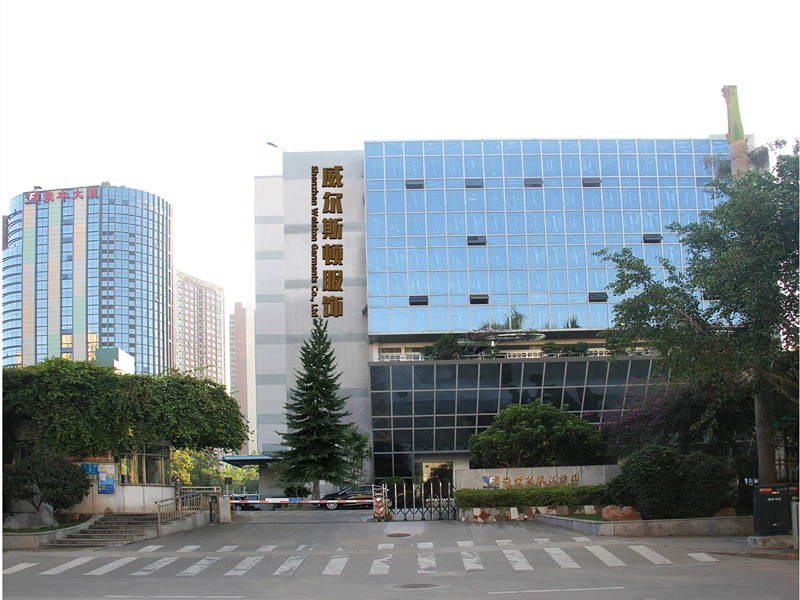
About Welston Garments