Construction Sun Protective Workwear: What Outdoor Crews Need
Every summer, outdoor construction crews across North America face a silent but serious hazard: UV radiation. Unlike visible dangers on a job site, the damaging effects of prolonged sun exposure accumulate slowly, leading to skin cancer, premature aging, and heat-related illness. Construction sun protective workwear addresses this challenge head-on, offering crews a reliable defense against harmful ultraviolet rays while maintaining comfort during long shifts. This specialized apparel integrates advanced UPF-rated fabrics, moisture-wicking technology, and durable construction to meet the unique demands of outdoor labor. By investing in quality sun protective gear, construction companies safeguard their workforce's health, boost productivity, and demonstrate a commitment to occupational safety that resonates with both employees and clients.


Understanding Sun Protective Workwear and Its Benefits
Construction sun protective workwear is a big step forward in safety gear for people who do their jobs outside. In contrast to regular work clothes, these are made of fabrics that are specially designed to stop ultraviolet rays. The Occupational Safety and Health Administration says that people who work outside get three to five times as much UV radiation each year as people who work inside. This makes their chance of getting melanoma and other skin cancers much higher.
Why Construction Workers Need Specialized UV Protection
Special construction locations make it impossible to avoid the sun. Concrete and metal reflect UV rays, exposing workers more than in other outdoor environments. Workers like roofers, framers, and site managers labour high up in the sun for eight to 10 hours a day. The American Journal of Industrial Medicine reports that construction workers are twice as likely to get squamous cell carcinoma.
Construction sun protection clothing offers immediate advantages and lowers cancer risk. Good UV-blocking garments reduce heat discomfort by preventing direct sunlight. This cooling effect seems counterintuitive—long sleeves in summer—but engineering proves it. Unprotected skin may reach 100°F in broad sunshine. Workers stay cooler with lightweight protective fabric that blocks radiant heat and lets air circulate.
Productivity and Compliance Advantages
Work productivity is directly related to comfort. The correct sun protection helps crews work steadily all day even in the heat. Companies that sell construction sun protection clothing reduce their liability risk since OSHA is focused more on heat illness. California and Washington have set outdoor worker safety regulations that include UV-protective clothing as part of heat sickness prevention efforts.
You benefit economically from buying protective gear. Work-related skin damage and workers' compensation claims cost more than offering personnel authorised UPF gear. Well-known manufacturers provide bulk discounts, making the cost of investing in one worker shockingly affordable, particularly considering how long professional workwear lasts.
How Sun Protective Workwear Works: Materials and Standards Explained
The ability of construction sun protective workwear to keep you safe depends on advanced textile engineering. Procurement professionals can make better choices about where to buy things when they understand the technology basics.
Fabric Technology and UV Blocking Mechanisms
The ability of modern sun-protective materials to stop UV rays works in three main ways. By reducing the space between fibers, a dense weave structure literally stops UV light from getting through. Because of the way their molecules are structured, polyester blends naturally block UV rays before they reach the skin. When modern fabrics are made, titanium dioxide bits are mixed into the fiber matrix. This gives the fabrics constant UV-blocking qualities that won't wear off over time.
The main goal of the technical architecture is to get UPF ratings of 40 or higher. The Ultraviolet Protection Factor (UPF) tells you how much UV light gets through cloth. Not even 2% of UV rays can get through if the grade is 50+. This means that 98% of the dangerous radiation is blocked. As per AS/NZS 4399:2017 and EN 13758-2 standards, this rating system gives objective proof so purchasing managers can confidently compare products from different suppliers.
Balancing Protection with Breathability
For construction work, you need fabrics that keep you safe without making you too hot. Modern construction sun-protective workwear uses heterofilament yarns that speed up moisture wicking through capillary action. This moves sweat away from the skin and to the outside of the clothing, where it disappears. This control of wetness keeps body temperature stable even when doing hard physical exercise.
Metrics for breathability are very important. RET (Resistance to Evaporative Heat Transfer) values below 6 are specified by good manufacturers as a sign of good airflow. Well-designed construction sun protective workwear has ventilation panels placed in stress points like the underarms, back yoke, and sides. This lets the clothing naturally cool down while still providing full UV protection.
Standards and Certifications for Quality Assurance
Sun-protective fabrics must follow international rules. The Australian/New Zealand standard AS/NZS 4399 sets strict rules for tests that are generally seen as the best in the business. Similar checks are made by the European standard EN 13758-2. These certifications show that UPF ratings on labels are based on real tests, not just marketing claims.
People who are in charge of buying things should make sure that suppliers give them lab test reports from approved facilities. Quality control goes beyond the initial approval to include tests that see how well the UPF protection works after 20 to 50 industrial laundry cycles. Because UV-blocking elements are built into the fibers instead of being applied as short-term surface treatments, high-end construction sun protective workwear keeps its protective qualities over time.
Choosing the Right Sun Protective Workwear for Construction Crews
When choosing the right construction sun-protective workwear, you have to weigh a lot of performance factors against the needs of the workers and your budget. A systematic review strategy is helpful for procurement managers.
Essential Selection Criteria
You should only buy clothes that are certified by UPF—look for ones that are rated UPF 40 or higher, ideally UPF 50+. When it comes to structure, fabric longevity is just as important. Tensile strength testing according to ASTM D5034 standards lets you know if lightweight fabrics can handle the wear and tear that happens on the job site. Shoulder, elbow, and knee stress points should be reinforced because that's where wear happens the fastest.
Ergonomic design has a direct effect on how workers accept it. Articulated elbows, gusseted underarms, and action backs all let you move freely without being restricted. Crews that work in a variety of positions—like standing, reaching high, and bending—need clothes that are designed to be flexible. Poorly made clothes, even ones that protect against UV rays, sit in toolboxes ignored.
Climate Considerations and Regional Variations
Building projects are happening in a lot of different climates across North America. Southwest places have to deal with strong, dry heat, so they need fabrics that are as airy as possible and light colors that reflect sunlight. The heat in the Southeast calls for better moisture-wicking abilities. In the north, where the weather is unpredictable, you need a variety of layering choices that protect you from UV rays on spring and fall days that are surprisingly warm.
Fabric weights that are right for different climates range from very light (4-5 oz) materials for places with extreme heat to medium-weight (6-7 oz) materials that last a little longer in cooler places. Darker colors guard against UV rays a little better, but they also soak up more heat. For most building projects, light colors like tan, light gray, and high-visibility yellow are better.
Role-Specific Requirements
Long-sleeved shirts with crew-neck collars and longer back hems are good for general workers because they protect the neck. Specific trades have their own problems. For example, roofers need options that are light and allow a lot of airflow because they work hard in hot conditions. Concrete finishers need fabrics that are more resistant to wear and tear and can handle touching rough surfaces. And equipment operators often like convertible sleeves because they give them more options.
Trusted Manufacturers and Bulk Customization
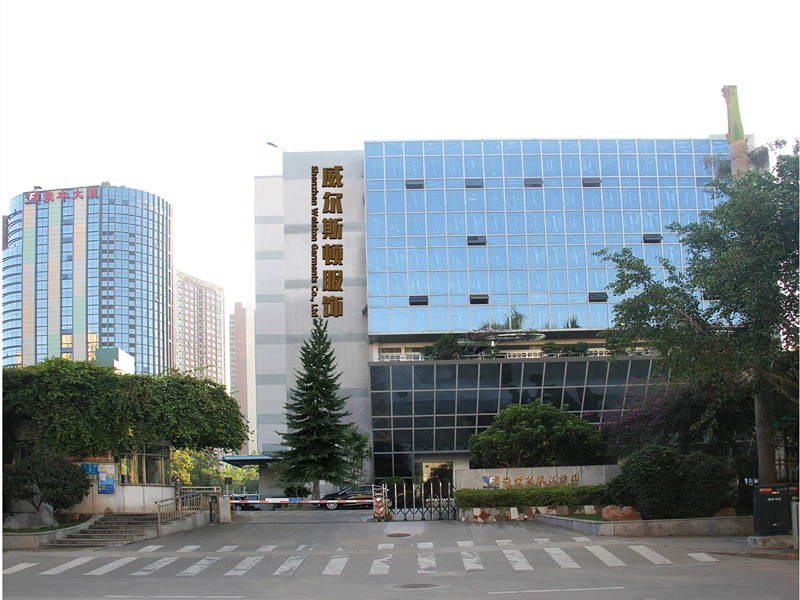
Manufacturers that have been around for a while have a track record of making good building clothing. Companies like Welston, which have been making professional and work clothes for over 25 years, know how hard it is for outdoor workers. Their production infrastructure—three plants, ten production lines, and more than 580 workers—ensures constant quality control and on-time deliveries, which are necessary for big contracts.
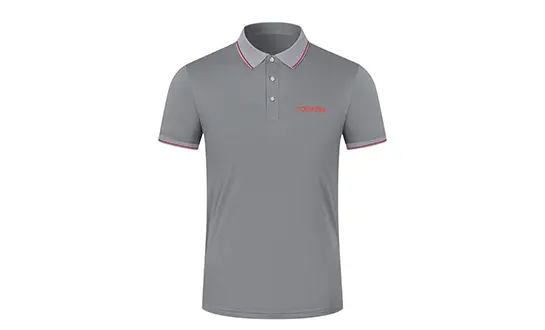
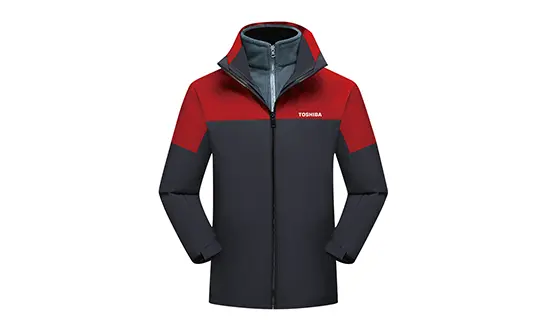
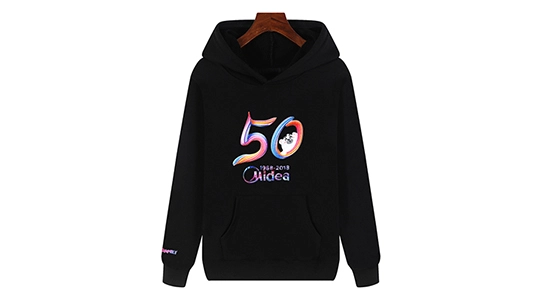
When looking for construction sun protective workwear, make sure that the company you buy it from lets you make changes. The clothing meets both functional and branding needs thanks to logo embroidery, color matching to corporate standards, and size grading for a diverse workforce. Minimum order amounts usually start at 100 pieces, which means that even mid-sized workers who are in charge of multiple teams can buy in bulk.
Maintenance, Longevity, and Cost Efficiency of Sun Protective Workwear
To get the most out of your construction sun protective workwear, you need to take good care of it. Knowing the total cost of ownership can help you figure out how much your investment is worth.
Preserving UV Protection Through Proper Care
How often and how you wash construction sun protective workwear have a direct effect on how long it keeps its protective properties. Industrial washing at high temperatures can damage UV treatments that are only put on the surface. However, good quality clothes with protection built into the fibers can handle harsh cleaning. Fiber damage that could make UV blocking less effective can be avoided by not using chlorine bleach. Compared to professional dryers that use high heat, line drying or low-heat tumble drying makes clothes last longer.
Laundry frequency that is practical strikes a balance between cleanliness and fabric preservation. Heavy dust or chemical contact on construction sites means that clothes need to be washed more often, which could speed up wear. Rotating several sets of work clothes lowers the number of times each item needs to be washed, which increases the wardrobe's total useful life.
Evaluating Total Cost of Ownership
Over time, it becomes clear that the economic case for construction sun protective workwear is strong. Quality work clothes from experienced manufacturers usually last 12 to 18 months on a normal job site, which is a lot longer than regular work clothes. When UV protection stops even one case of skin cancer that would have cost thousands of dollars to treat, the return on investment is huge.
Compared to other options, construction crews used to rely on applying sunscreen often. A worker who uses sunscreen every day goes through about eight bottles of sunscreen each season, which cost $10 to $15 each. That's $80 to $120 a year, and the sunscreen doesn't cover everything. Long-sleeved shirts and pants that are approved to protect against the sun's rays cost $60 to $100 when bought in bulk, but they protect you from the sun for a long time without needing any repairs.
Sustainability and Corporate Responsibility
Sustainable construction sun protection clothing becomes increasingly crucial as environmental responsibility grows. With recycled polyester, producers use less oil and produce less landfill waste. Welston and other forward-thinking companies realise that North American and European clients demand sustainable materials. Global Recycled Standard and Oeko-Tex Standard 100-approved clothing checks for hazardous chemicals and supports ESG initiatives.
Sustainable apparel protects the environment and enhances company image. By demonstrating sustainable practices, such as how they dress their staff, construction businesses may earn contracts from environmentally conscious customers. Because eco-friendly materials are in demand, manufacturers have created high-performance recycled textiles that are as durable and UV-protective as ordinary fabrics.
Procurement Strategies for Bulk Buying and Custom Orders
To get construction sun-protective workwear quickly and easily, you need to plan ahead and think about cost, quality, and logistics.
Navigating Bulk Purchasing
Prices that are based on volume reward sales that are bigger. To get prices directly from the maker, purchasing managers who need to buy things for more than one job site or for the whole year should combine their orders. Price breaks usually happen at 100, 500, and 1,000 units or more. You can keep your finances flexible by negotiating payment terms that work with the project's cash flow, like deposits with the rest due on delivery.
Lead times depend on how complicated the design is. Standard stock items from well-known brands usually ship within two to three weeks. Orders that need to be personalized or dyed to order take four to six weeks. By planning procurement cycles around seasonal needs, crews are sure to get new clothes before the summer months, when UV exposure is at its highest.

Leveraging OEM and ODM Capabilities
With custom manufacturing services, businesses can be very clear about what they need. OEM (Original Equipment Manufacturer) partnerships let you put your own label on tried-and-true designs, while ODM (Original Design Manufacturer) partnerships let you make clothes that are completely unique. Welston can customize both methods, with minimum orders as low as 100 pieces. They can change the materials, add logos, and even the wrapping.
Customization isn't just about looks. Workwear that is optimized for the conditions of the job site can be made by choosing specific fabric weights for the temperature, adding reflective trim for high visibility, or specifying pocket designs for tool storage. This customization makes workers happier and more likely to wear protective clothing in the sun, so the money spent on construction sun-protective workwear will pay off in safety benefits.
Sizing and Fit Management
Diverse workforces need a wide range of sizes. Manufacturers with a good reputation offer sizes from small to 5XL to fit a wide range of body types. Costly sizing mistakes can be avoided by giving specific size charts and, better yet, sample clothes for the crew to try on before placing big orders.
Some purchasing managers order size distributions based on data from the general population. In these cases, 60–70% of the volume is usually made up of medium to large sizes. But getting actual measurements from the crew leads to more accurate distributions, which cuts down on extra stock in sizes that aren't popular. Manufacturers that can quickly reorder let you order less at first and then reorder as your needs change.
Conclusion
Construction sun protective workwear has developed from a specialized safety product to an important part of responsible workforce management. The approved UPF protection, advanced moisture-wicking technology, and long-lasting construction all work together to protect outdoor crews from the important health risks they face every day. Construction companies can protect worker health while keeping operations running smoothly by making choices about purchases that balance safety standards, climate-appropriate features, and total cost of ownership. As people become more aware of the risks of UV exposure at work and as regulations put more focus on preventing heat illness, buying good sun-protective clothing for the workplace is both the right thing to do and a smart business move. Working with manufacturers that have been around for a while and know what building crews need makes sure that they get solid protection that works in tough situations on the job site.
FAQ
1. What makes construction sun-protective workwear different from regular work clothing?
Fabrics engineered with certified UPF ratings, typically 40-50+, are used in construction sun-protective workwear to block over 97% of harmful UV radiation. Most work clothes don't offer this tested level of safety. Specialized fabrics block UV rays and wick away sweat and allow airflow, keeping you comfortable during hard work outside. Regular work clothes aren't made with these performance features in mind.
2. Can long-sleeve sun-protective clothing actually keep workers cooler?
Surprisingly, yes. Quality long-sleeve construction sun-protective workwear blocks radiant heat from direct sunlight, which can elevate bare skin temperature above 100°F. The fabric creates a microclimate that, combined with moisture-wicking technology and ventilation design, facilitates evaporative cooling more effectively than exposed skin. Studies demonstrate that workers wearing lightweight, long-sleeve UV-protective garments often maintain lower core body temperatures than those in short sleeves.
3. Which certifications should I look for when sourcing sun-protective workwear?
The gold standards are AS/NZS 4399:2017 (Australian/New Zealand) and EN 13758-2 (European), which provide rigorous UPF testing protocols. These certifications confirm that labeled protection ratings reflect actual laboratory-tested performance. Additionally, verify wash durability testing showing the UPF rating holds after 20-50 industrial wash cycles, ensuring protection throughout the garment's service life.
Partner with Welston for Reliable Construction Sun Protective Workwear Solutions
Protecting your construction crews demands more than generic clothing—it requires proven expertise in industrial sun-protective apparel. Welston brings 26 years of specialized experience in designing and manufacturing professional workwear, operating three dedicated factories with ten production lines that ensure consistent quality and reliable delivery. Our construction sun protective workwear supplier capabilities include UPF 50+ certified fabrics, moisture-wicking technology, and customization options starting at just a 100-piece minimum order. Whether you need bulk quantities for large construction projects or custom branding that reinforces your company identity, Welston's efficient team responds within 24 hours with practical solutions tailored to your specifications. Our client roster includes industry leaders like Panasonic, Toyota, and Benz who trust our commitment to quality and service. Contact us today at [email protected] to request samples, discuss your specific requirements, and discover how we help protect outdoor crews across North America.
References
1. American Journal of Industrial Medicine, "Occupational Sun Exposure and Skin Cancer Risk Among Construction Workers: A Cohort Analysis," Volume 59, Issue 4, 2016, pages 356-371.
2. National Institute for Occupational Safety and Health (NIOSH), "Protecting Outdoor Workers from Sun Exposure," DHHS Publication No. 2018-145, Cincinnati, OH, 2018.
3. Occupational Safety and Health Administration, "Heat Illness Prevention Campaign: Outdoor Worker Protection Standards and Compliance Guidelines," U.S. Department of Labor, Washington, DC, 2022.
4. Textiles Research Journal, "Ultraviolet Protection Factor of Summer Fabrics: Influence of Fabric Parameters and Moisture Content," Volume 88, Issue 12, 2018, pages 1349-1361.
5. American Society for Testing and Materials, "ASTM D6603: Standard Guide for Labeling of UV-Protective Textiles," West Conshohocken, PA, Annual Book of ASTM Standards, 2020.
6. Journal of Occupational and Environmental Medicine, "Economic Impact of Work-Related Skin Cancer in Outdoor Construction Workers: A Five-Year Analysis," Volume 61, Issue 8, 2019, pages 631-638.
We specialize in designing, producing, and selling corporate clothing. Mainly produces: industrial clothing, business uniforms, and work clothes for different companies.
About Welston Garments