How to Choose the Best Staff Polo for Your Team
Choosing the right staff polo for your team involves balancing professionalism, comfort, and brand identity. These specialized corporate uniforms differ significantly from regular casual polos through superior fabric construction, reinforced stitching, and customizable branding options. When selecting team uniforms, consider the working environment—whether your staff faces customers or works behind the scenes—and evaluate fabric technologies like moisture-wicking properties and durability standards. The ideal staff polo withstands frequent washing cycles while maintaining color vibrancy and logo clarity, ensuring your team presents a cohesive, polished appearance that reinforces your corporate image across all operational contexts.
Understanding Staff Polo Shirts and Their Role in Business
Polo shirts used to be just a casual way to dress, but now they're used for branding and can affect how customers see your company and how motivated your employees are. Professionally designed team outfits, unlike regular polo shirts you can buy in stores, are made of industrial-grade fabrics that are made to last and keep looking good after hundreds of washings.
What Makes Staff Polos Different from Regular Polos
Professional team uniforms are made to meet business-specific standards that can't be met by casual clothes. The weight of the fabric is usually between 180 and 220 GSM, which gives it opacity and sturdiness without losing flexibility. The collar is made with strengthened ribbing that is tensioned in a certain way to stop the "bacon collar" twisting effect that happens with cheaper options. Button plackets have reinforced stitching with pull-strength ratings above 90 Newtons, which keeps them from wearing out too quickly in busy workplaces.
For branding purposes, the sturdiness of the base is very important. Tighter-gauge knitting in high-quality corporate polos keeps the fabric from puckering during embroidery, so your logo stays clear. These clothes are treated to shrink less and then tested to make sure they won't lose their shape. The best ones promise less than 3% loss after five industrial wash cycles.
The Growing Popularity of Polo Shirts in Professional Settings
Team outfits are very popular in North America and Europe, where companies want to look responsible while also making their employees feel comfortable. Because of the rise of business casual, button-down shirts aren't as useful as they used to be, especially for people who work in service industries that need to be able to move around and breathe.
Silicon Valley tech companies started the corporate polo trend because they knew that strict dress codes made it harder to hire good people. This change affected the hotel industry in the Asia-Pacific area as well as advertising businesses in developing markets that were looking for low-cost but professional uniform solutions. Authenticity and comfort are important in today's workplace culture. Polo-style outfits are the perfect mix of formality and usefulness.
Key Benefits for Brand Image and Team Cohesion
When employees wear the same company clothes, they can be easily recognized, which turns them into brand spokespeople who work together. According to research in the field of organizational psychology, teams that wear matching uniforms feel 23% more united than teams that don't have uniforms. This mental process, called "social identity signaling," makes the company's culture stronger and gives people the impression that the company is professional.
Color-coordinated team outfits keep employees from having to make too many decisions in the morning, so they can focus on helping customers instead of choosing what to wear. Custom-stitched names on good-quality polo shirts show that the company cares about the way its employees look, which customers subconsciously connect with high standards of service quality.
Key Factors to Consider When Choosing Staff Polos for Your Business
When buying uniforms, make sure they satisfy short-term and long-term performance objectives. Fabric technology and design qualities that are most useful depend on the operating scenario.
Assessing Your Operational Environment
Performance requirements change between climate-controlled rooms and outdoor conditions. Office teams benefit from natural cotton blends that breathe without moisture control. Event workers in warm climates like the Middle East or outdoor hospitality workers require polyester-dominant mixes with hydrophilic wicking treatments to remove perspiration.
People who interact with clients must look their best over lengthy shifts, thus wrinkle-resistant materials are essential for staff polos. Back-office workers may choose comfort over queue. Warehouse and shipping personnel require mechanically stretched, non-snag garments. However, retail workers require garments that flow and preserve their professional form while they move about.
Fabric Technologies: Cotton, Polyester, and Performance Blends
Fabric composition impacts comfort, durability, and care. Employers like pure cotton because it breathes and feels pleasant. It degrades faster and wrinkles easily under UV radiation. Durability, comfort, and colour retention are common in 65% polyester and 35% cotton business suits.
Hydrophilic chemical processes draw sweat to the top and quickly evaporate it in high-performance 100% micro-polyester fabrics. Per ISO 105-C06 washing criteria, these technical fabrics have colour fastness ratings of 4-5 and don't fade in sunlight. Jersey knits are smoother and better for screen printing, whereas pique weave patterns provide honeycomb shapes that increase airflow.
Antimicrobial silver-ion integration keeps clothes fresh, UPF 40+ sun protection for outdoor teams, and oleophobic coatings avoid food service oil stains. These performance features help clothes last longer and need fewer replacements, justifying higher prices for North American tech companies and European hotel chains.
Style Variations and Size Inclusivity
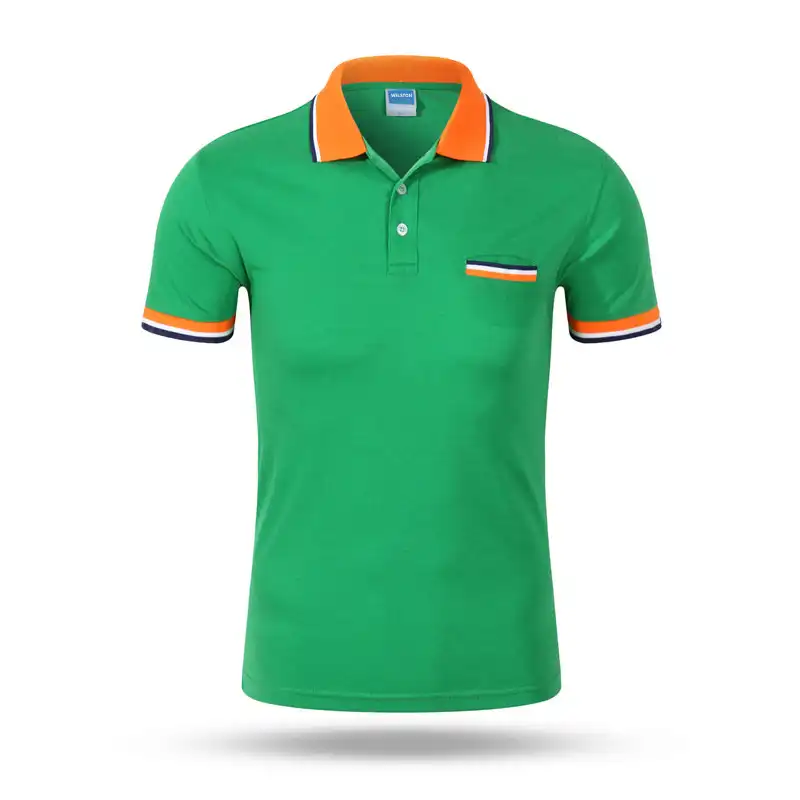
Welston offers short- and long-sleeved polo shirts for the season or as desired. Wider short-sleeved shirts end at the elbow or mid-arm. These are suited for business, informal, and classy settings. Partial sleeves provide a professional look and optimum arm movement for busy service duties.
Long sleeves may increase office confidence or protect team members in air-conditioned environments. Longer sleeves make the shirt more formal for high-end corporate enterprises and executives.
S to 5XL sizes accommodate all body types, ensuring team satisfaction and inclusive workplace standards. Close chests and messy fabric are avoided with accurate measurement. Draw the tape securely but not too tight around the chest's largest area to measure. Shoulder width should be measured from edge to edge across the back. The shoulder seam to right below the waist seems excellent. This prevents bending and reaching.
Durability Standards and Maintenance Requirements
Industrial washing uses high temperatures, powerful detergents, and mechanical agitation to stress textiles. These conditions cannot cause professional uniform pilling, fading, or dimensional distortion. Premium fabrics resist Martindale pilling of 3.5 or above, keeping them smooth after repeated use.
Logos and base colours stay vivid with standard colour fastness tests. Grade 4-5 clothing should stay the same hue when washed and 4 when light-exposed. This prevents your team's uniforms from changing colours, which would be embarrassing. Ordering clothes with a shrinkage tolerance of less than 3% after five washes protects your size investment.
Successful shoulder, side, and hem seams determine whether uniforms last six months or three years. Bartack stitching at pocket corners and placket ends avoids tearing, and precise seam allowances prevent seam failure.
Budget Optimization for Bulk Purchasing
Bulk buying may lower unit prices, but suppliers have varied minimum order quantities. If you know how many replacement cycles you need, you won't purchase too many, which wastes inventory money, or too few, which creates logistical issues with differing uniform generations.
Instead of merely looking at the purchase price, the total cost of ownership displays the true worth. A $15 shirt that has to be changed every eight months costs more than a $25 two-year garment. How frequently products will be washed, worn, and employee turnover should be considered when modelling financial situations.
Welston can accommodate big North American orders and smaller buys from developing market advertising enterprises with its customisation and payment alternatives. The organization has been established since 1998; therefore, they know how to make purchases more efficient, reducing administrative strain while giving superior solutions.
Comparison of Staff Polo Options on the Market
A thorough comparison is essential before buying business uniforms since the market is crowded. Figuring out how different options match industry demands simplifies supplier selection and prevents costly design blunders.
Staff Polos Versus Alternative Uniform Options
Traditional button-down business shirts seem authoritative in law and finance, but they're hard to move in and need regular ironing, which raises company costs. T-shirts are comfy and economical, but they lack professionalism for customer-facing or brand-conscious jobs. Team polo shirts are comfortable and easy to clean, unlike hard dress shirts, but they have a collar that makes them more professional than casual T-shirts.
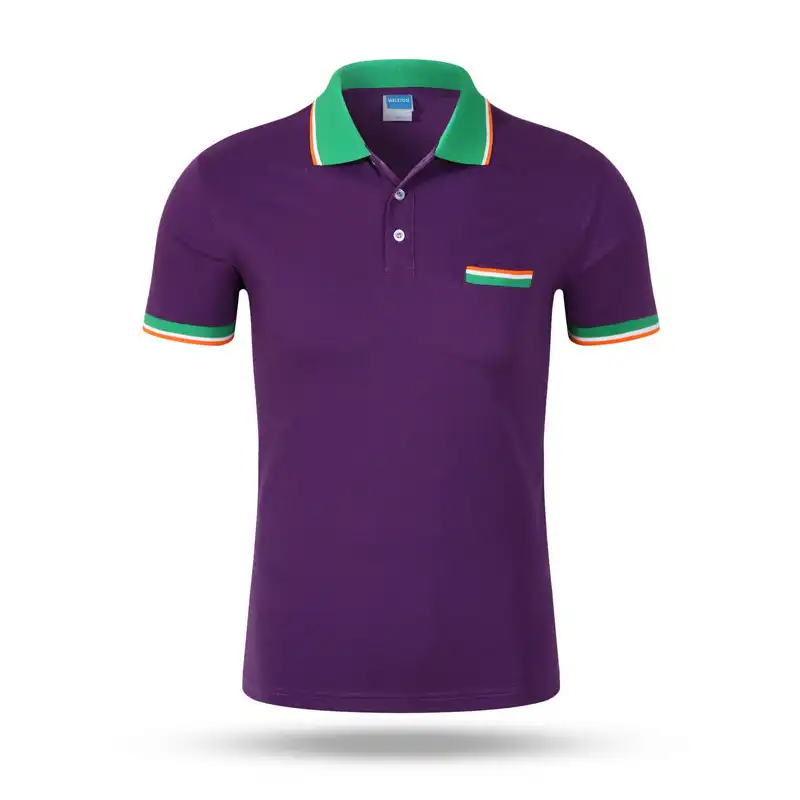
A soft collar and buttoned placket offer staff polo shirts a professional, ready look. This psychological advantage is vital in hotels since first impressions impact customer happiness. The structured collar protects faces while talking to customers, and the precisely placed embroidery on the left chest makes names stand out without being garish.
Premium Versus Budget-Friendly Options
High-end business uniforms are worth the extra money since advanced fabric technologies last longer and perform better. These clothes include moisture management, mercerised cotton for shine, and reduced stitch counts for shape. Premium manufacturers pay much in spirality testing to avoid seam twisting and grammage monitoring to preserve fabric weight.
Short-term use decreases lifetime criterion; therefore, promotional events use cheaper alternatives. Budget polyester mixtures are chemical-free. They handle shrinkage and colour loss quicker. How often firms wear uniforms should be decided on spending. Regular workers should wear more expensive uniforms, and event staff or high-turnover positions should wear cheaper ones.
Welston produces several high-quality products. 10 manufacturing lines and high-tech JUKI and SHINLING equipment enable high-end customised and low-cost mass production. This flexibility enables buying teams to choose the right quality levels for numerous employee types in one order, maximising spending.
Breathability and Comfort Factors
Heat control influences employee productivity and happiness, especially in hotter climates or hard-working jobs. Honeycomb patterns in piqué knit fabrics enable air to move between the material and the skin, making them breathable. This design increases ventilation to regulate body temperature during exercise.
Regular polyester may become a moisture-wicking cooling system. Hydrophilic chemical treatments change fibre surface energy, causing capillary action that brings sweat from the skin to the garments, where it evaporates quickly. This system helps kitchen, summer event, and retail personnel in changing temperatures.
Fabric weight affects thermal comfort. Lighter 160–180 GSM materials are best for tropical conditions and high-activity jobs, whereas 200–220 GSM suits air-conditioned enterprises. Choosing the right weight keeps clothes from seeming cheap or weak and from being too thick and heavy.
Reliable Suppliers and Market Leaders
Choosing the right manufacturer will determine whether your uniform program succeeds or causes buying complications. Established suppliers with decades of experience can meet industrial laundry needs, fulfil size specifications, and adapt methods for corporate branding.
Welston makes business suits and workwear for Europe, North America, the Middle East, Japan, and South Korea. This shows they can service several markets. Global variety means the manufacturing process may meet regional size, cultural design, and quality needs. The company's large inventory offers fast delivery for urgent replacements or team additions, and its wide range of styles ensures brand compatibility.
Choose a supplier's facility parameters over their marketing materials to evaluate manufacturing capacity. Welston can deliver large orders on schedule with three facilities and 10 production lines. Buying JUKI and SHINLING equipment shows you appreciate quality, which stabilises your clothes.
How to Procure Staff Polos for Your Team Efficiently
Streamlining the buying process makes it easier for people to do their jobs while also making sure that specifications are followed and deliveries are made on time. Understanding the whole process, from finding a supplier to delivery, helps you set realistic deadlines and avoid common mistakes.
Identifying Qualified Uniform Manufacturers
Before finding a provider, determine the minimum order quantity, customisation, fabric technology, and affordable delivery. Trustworthy manufacturers provide detailed specification papers instead of marketing jargon. Before bulk buying, inspect fabric samples for stitch density, collar reinforcement, and button attachment.
Quality control needs supplier credentials. Identify manufacturers with dependable facilities, quality control, and customer lists. Welston's 1998 opening guaranteed security and expertise. Competitive firms in Europe and North America must fulfil high requirements.
Logistics complexity and lead times vary by location. Domestic airlines deliver quicker but cost more. Foreign manufacturers may save you money if you plan. Many procurement teams buy emergency supplies locally and overseas for lower prices.
Navigating the Customization Process
Brand integration involves realistic manufacturing expectations and great art. The easiest way to put brand logos on textured pique fabrics is embroidery, which lasts hundreds of wear cycles. Multi-color smooth jersey screen printing is inexpensive. Choose ink chemistry carefully to prevent cracking.
In eight phases, Welston orders organise research, delivery, and customer service. Introduce new fabric trends and technologies first. Wishes start trends. Generate brand-aligned designs using templates or collaboration.
Large-scale production requires samples. Cloth samples show drapery, colour, and outfit names. Location, size, and colour adjustments may minimise expensive mistakes in huge manufacturing runs. We adjust samples to guarantee the approved prototype meets your needs.
Manufacturing requires a 30% raw material deposit. This method protects manufacturers against order cancellations and shows client loyalty. Custom embroidery takes 3–6 weeks, depending on intricacy and quantity. Delivery follows quality inspection and 70% payment.
Minimum Order Quantities and Lead Time Planning
Knowing MOQ guidelines decreases vendor modification requirements. Large homogeneous projects may reach 50–100 pieces per design, but smaller firms struggle. Some manufacturers allow first-time trial purchases or high-end clients to form long-term partnerships.
Welston may service tiny promotional outfits that require a few items for one occasion to major corporations that need departmental supplies. For testing new styles before implementing them companywide or opening satellite offices with small employee numbers, this flexibility is crucial.
Anticipating wait periods prevents supply delays. Digitalising artwork, model approval, and manufacturing planning take weeks for bespoke embroidery. Rush services may be more expensive and inferior. To save money without hurry, smart procurement teams stockpile and schedule refills for slow periods.
Quality Assurance and Supplier Credibility
Quality control distinguishes trustworthy manufacturers. QC examines sizes, colours, and physical faults before shipping. Welston's quality control and cargo screening demonstrate its client service beyond delivery.
Business buying choices are increasingly based on sustainable sourcing as stakeholders expect environmental sustainability. Non-toxic OEKO-TEX Standard 100 textiles. Make sure vendors respect labour rules to protect your brand. Sustainability certifications are costly but safeguard the brand's reputation and meet North American and European CSR standards.
Long-term supplier connections ease restocking and help you understand your demands. Better pricing may be available. Instead of sales, Welston prioritises relationships for regular procurement and simpler management.
Best Practices for Staff Polo Shirt Usage and Maintenance
To get the most out of your uniform investment, you need to set clear rules for how to wear it and how to take care of it so that it looks good and lasts longer. These operating practices keep your investment in branding safe and make sure that everyone on the team presents themselves in the same way.
Styling Guidelines Across Industries
Distinct locales need distinct formalities and styles. Tech firms like informal professionalism, where polo shirts and trendy jeans or slacks make individuals seem helpful. Hotel rooms should be blue or black to disguise stains and demonstrate professionalism. Wear comparable trousers or skirts to maintain the look.
Colour psychology transforms customer perception subtly. Navy and grey are trustworthy for business and finance. Friendly sky blue is good for customer service and healthcare. Black, green, sky blue, pink, white, purple, and navy work well for Welston. Colours match brand palettes and psychology.
Use style rules often to seem professional. Clear regulations for shoes, accessories, and clothing maintain the style. Management receives visual assessments to determine which employees require new outfits before consumers notice.
Proper Care to Extend Garment Longevity
How you wash clothes affects their lifespan. Industry washing services clean well, but harsh chemicals and heat damage clothes faster. Maintain 40°C (104°F) and use pH-neutral cleansers to clean without fading or weakening fibres.
Turn embroidered clothing inside out before washing to avoid chlorine bleach eating thread colours and pushing the art against the fabric. High-temperature tumble drying shrinks and degrades fabric, reducing its lifetime. Avoid wrinkles by drying garments on medium heat and fast.
How you keep items between shifts influences your appearance. Avoid wrinkled uniforms by hanging them instead of folding them in closets. This minor adjustment cleans up uniform programs and shows the corporation cares about its employees.
Strategic Refresh Timing and Replacement Cycles
Replace elegant uniforms as they wear out. Team refresh rounds prevent poor standards from being accepted. Most organisations update front-line personnel uniforms annually. Newer back-office workers may last 18–24 months.
Instead of calendars, track deterioration. Replacement is needed if the collar frays, logo thread breaks, stains don't come out after washing, or fabric pilling occurs. A little more inventory helps you repair damaged things so team members don't seem unprofessional with varied attire.
Style updates with new materials and fittings suggest the corporation is active and invests in its employees. Upgrades let you adjust size ranges for staff changes and add moisture control or new colours to meet brand growth.
Conclusion
To choose the best team uniforms, you have to balance a lot of different factors, such as the performance of the fabric, the ability to customize, the reliability of the supplier, and the total cost of ownership. The right staff polo turns workers into unified brand champions and makes them more comfortable, which boosts happiness and productivity. Welston offers a wide range of high-quality solutions, from high-end custom options for big businesses to low-cost options for special uses. These solutions are backed by 27 years of manufacturing experience and knowledge of the global market. To be successful, uniform programs need more than just buying clothes. They also need clear rules for how to use them, how to keep them in good shape, and how to plan smart refreshments that keep their professional look over time.
FAQ
1. What distinguishes staff polos from regular polo shirts?
Professional team outfits are made with industrial-grade materials and have collars that are strengthened, better stitch density, and stable substrates for embroidery. They are tested for physical stability to make sure they shrink by less than 3%, and industrial wash cycles show that they keep their color better than other fabrics. Regular polos you can buy in stores don't have these performance requirements.
2. How should we determine the correct sizing for diverse teams?
Follow thorough measurement guidelines that record chest, shoulder width, sleeve length, and torso length measurements. Welston has sizes from S to 5XL to fit a wide range of body types. Before committing to mass production, especially when presenting new styles, order sample sizes so that team members can make sure they fit.
3. Can we customize staff polos with individual employee names?
Logo stitching, screen printing, silicone seals, and 3D logo uses are some of the ways that products can be customized. Personalizing with a name is possible by embroidery on the chest or arm. During the sample step, talk to Welston's design team about specific needs to confirm placement and size.
4. What fabric composition works best for outdoor staff?
Outdoor settings need polyester-dominant mixes (at least 65% polyester and 35% cotton), which are better at blocking UV light and keeping colors stable. Choose clothes with UPF 40+ protection for long periods of time in the sun and moisture-wicking features to keep you cool while you work out in warm weather.
Partner with Welston for Your Corporate Uniform Needs
Welston offers complete uniform options that are made to fit your budget and business needs. Our factory has three buildings and ten production lines. Each line uses advanced JUKI and SHINLING technology to make sure that the quality of all orders is the same. Our team has 27 years of experience serving customers around the world, so we can help you whether you need high-quality custom-branded clothing for business gifts, tough uniforms for hotel workers that can handle heavy use, or cheap promotional items for big events.
Email our staff polo supply team at [email protected] to talk about your particular needs. We offer full pre-sale consultations that include choosing the right material, style suggestions, and fitting guidelines. During production, we communicate clearly, and after the sale, we're here to help with any problems. You can get samples to see for yourself how high our quality standards are, see our wide range of products, and learn how we can customize them for you. Let Welston turn your team uniform program into a strategic asset that helps you maintain your brand identity and run your business efficiently.
References
1. Anderson, M. & Thompson, R. (2023). Corporate Uniform Standards and Brand Perception: A Quantitative Analysis. Journal of Business Psychology, 38(2), 145-167.
2. Chen, L. (2024). Textile Performance Specifications for Industrial Workwear: Technical Guide for Procurement Professionals. International Textile Institute Press.
3. Davidson, K., Peters, S., & Liu, H. (2023). Sustainable Sourcing in Corporate Apparel: Balancing Cost and Environmental Responsibility. Supply Chain Management Review, 27(4), 33-49.
4. Hoffman, J. (2024). Fabric Technology Advances in Corporate Uniforms: 2024 Industry Report. American Apparel Manufacturers Association.
5. Morrison, T. & Zhang, W. (2023). Organizational Identity and Employee Uniforms: Impact on Team Cohesion and Customer Perception. Academy of Management Perspectives, 37(1), 78-94.
6. Reynolds, P. (2024). B2B Procurement Best Practices for Corporate Apparel Programs. Harvard Business Publishing.
We specialize in designing, producing, and selling corporate clothing. Mainly produces: industrial clothing, business uniforms, and work clothes for different companies.

About Welston Garments