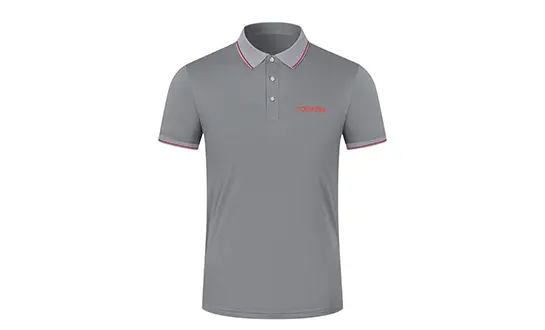
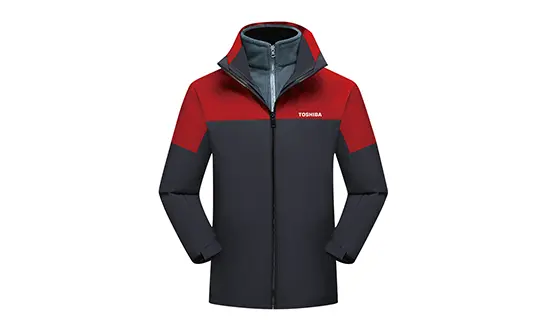
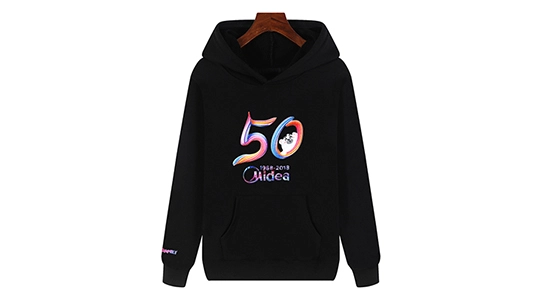
Custom Polo Shirts For Restaurant Staff
When it comes to outfitting your restaurant staff, custom polo shirts are more than just another option for a uniform. They represent professionalism, functionality, and your brand. A well-designed Restaurant Polo combines fabrics that let air flow with a clean look. This way, your staff will look good while staying comfortable during long shifts. These special clothes are made to deal with the problems that only happen in food service settings, like keeping clothes dry during busy times and keeping a clean, branded look that builds customer trust. Whether you're in charge of a casual bistro or a high-end restaurant, knowing what makes Restaurant Polos different from other clothes helps you make better uniform purchases that are good for your team and your business.


Understanding Custom Polo Shirts for Restaurant Staff
What Makes Restaurant Polos Different from Standard Uniforms
When worn in a restaurant, uniforms need to be more durable than when worn in an office. A Restaurant Polo is made to withstand the temperature changes between the dining rooms and kitchens, the constant movement of servers, and the inevitable contact with food and liquids. Professional Restaurant Polos have soil-release technologies that keep oils and sauces from permanently bonding with fabric fibres. This is different from regular retail polo shirts that put style over function. This difference in terminology is important because regular cotton soaks up spots deeply, but certain mixes fight them at the molecular level.
The difference in structure also shows up in how long things last. Shoulders, side seams, and armholes are some of the places on Restaurant Polo shirts that get strengthened stitching because they are worn over and over again. Even after dozens of industrial wash cycles, anti-curl collar inserts keep their professional shape, which is something that basic polos can't do. In North American markets, these clothes make the staff look friendly while still being dressed up. They are the perfect compromise between the casual ease of t-shirts and the formality of button-down shirts.
Strategic Advantages Beyond Appearance
Buying good Restaurant Polo shirts has benefits that go beyond their appearance. When employees wear useful, comfy outfits that don't get in the way or keep them hot during long shifts, morale goes up. The psychological effect of wearing business clothes affects how customers see a business. Customers naturally trust places where staff look neat and put together. Hospitality management research shows that consistent quality is linked to how good service is seen to be, which has a direct effect on customer happiness and repeat business.
From a practical point of view, Restaurant Polos make keeping track of supplies easier. Instead of having different styles for different jobs like chef coats do, polos can be worn in both front-of-house and back-of-house tasks by making simple changes to the style. By colour-coding by department or adding embroidered role markers, you can make clear visual hierarchies that stay true to your brand. The clothes can be washed and worn again, which lowers the cost of uniform upkeep compared to items that need to be pressed or dry cleaned by an expert.
Fabric Performance That Supports Your Team
The cloth that a Restaurant Polo is made of has a big impact on how well it works in real-life service situations. Professional food service outfits are mostly made of polyester-cotton blends, usually in ratios of 65/35. These blends are durable and comfortable at the same time. The polyester part gives the fabric support and helps it dry quickly, while the cotton part lets air flow through and makes the fabric feel softer against the skin. Clothes in the 190–220 GSM (grams per square metre) weight range are opaque without keeping too much heat in. Lighter fabrics become see-through when they get wet, while thicker fabrics make it uncomfortable for your body heat to stay inside.
The invention of moisture-wicking technology is a giant step forward for restaurant applications. Sweat is pulled away from the skin by capillary action, and out to the outside of the clothes, where it evaporates fast. This moisture control helps staff avoid feeling clammy during busy service periods, when they are continually moving between temperature zones, making it impossible to concentrate and work hard. Antimicrobial treatments prevent the growth of microorganisms that create scents so garments stay fresh for extended shifts. Some high-tech textiles also provide UPF 40+ sun protection, which is handy for patio service jobs and locations to eat outside.
How to Choose the Best Custom Polo Shirts for Restaurant Staff
Evaluating Fabric Performance for Your Specific Needs
Knowing your working setting is the first step in choosing the right Restaurant Polo. High-volume quick-service restaurants prefer 100% polyester performance fabrics that wick away moisture well and don't need to be ironed. This way, staff can stay uniform even though the restaurants are changing clothes all the time. These fabrics can handle being worn down by apron straps and being touched a lot by tools and tables. On the other hand, high-end eating rooms might like cotton-rich blends that look softer and more refined while still having soil-release finishes to deal with the expected spills.
Fabric choices are greatly affected by climate factors. Lightweight micropiqué knits with honeycomb patterns that help air flow across the skin are good for restaurants in hot parts of the United States. The Middle East and Asia-Pacific markets really like these structures because they let air flow and reflect light, which keeps heat from escaping. European restaurants often choose slightly heavier shirts that keep people warm enough in climate-controlled eating rooms while still looking professional in terms of drape and structure.
When ordering large quantities of Restaurant Polos it is crucial to ensure that the colours will not fade. Professional quality garments should pass Grade 4 of the AATCC colour fastness tests. Thus the colours will not rub off on other people's clothes and will not fade visibly when washed in a commercial machine. Knowing this technical information is vital since retail quality polos normally break down after 15 to 20 washes but well built Restaurant Polos will retain their colour for 50 or more industrial cycles. Ask for verification of fabric testing findings when assessing vendors instead of taking marketing statements at face value.

Balancing Cost with Long-Term Value
In the case of Restaurant Polos, total cost of ownership matters more than original pricing. Durable items will cut replacement expenses. Buying in bulk will minimise the unit cost and maintain consistency. The purchasing flexibility is influenced by supplier MOQs, lead times and stock plans. Suppliers you can depend on also do quality inspections for longevity, seam strength and collar stability to ensure the long term worth of your outfit.
Styling and Practical Use of Restaurant Polo Shirts
Color Selection That Reinforces Brand While Managing Stains
Restaurant Polo colour selection balances brand identity and stain management. Dark shades like navy and charcoal hide marks and maintain a professional appearance, while medium tones add uniqueness. Piqué fabrics and soil-release finishes improve stain resistance. Strategic colour coding also helps distinguish staff roles, improving customer recognition and service efficiency.
Styling Versatility Across Different Restaurant Roles
Restaurant Polos are beautifully able to adapt to different position needs by making small changes to their form. Front-of-house servers look more professional in custom-fitted clothes that don't get in the way of their movement while serving at the tables. These models usually have extras like strengthened plackets that keep their shape when you bend over and reach a lot. Bartenders might like slightly looser cuts that allow for the arm movement needed to make drinks while still giving the option of a neat tucked or untucked look.
Having a job next to a kitchen needs different things to be thought about. The ability to resist stains is just as important for expo staff and food runners as it is for servers. They also like how performance polyester blends can handle heat and don't stick to clothes when they're warm. Since hostess and host roles are more fixed, they can use cotton-rich fabrics that put comfort over extreme moisture-wicking. Some management polos might have unique details, like contrasting collar trim, different button colours, or the feel of high-quality cloth, that make them stand out while still keeping the program cohesive.
Coordination of the accessories finishes off the business look. When Restaurant Polos are worn with the right aprons, the labelled area on the chest of the shirt is protected, and the aprons have places for service tools. When worn with dark denim or chino trousers in neutral colours, the brand colours and logos of the polo stand out. Some businesses give similar caps to people who work outside or add name badges that make contacts with customers more personal. The goal is still to create a complete, well-thought-out look that makes customers think it was carefully put together instead of thrown together without much thought.
Comparing Restaurant Polo Shirts with Other Uniform Types
Restaurant Polos Versus T-Shirts and Button-Downs
Restaurant Polos offer a balance between professionalism, durability, and comfort compared with t-shirts and button-downs. Their collars create a more polished appearance, while stronger fabrics and stable designs provide longer service life. Unlike formal shirts, polos are easier to maintain and more suitable for active restaurant environments, reducing uniform costs over time.
Technical Features That Define Quality Restaurant Polos
Leading suppliers have made features that are specifically designed to help restaurants with problems. When staff move big boxes or bus bins over and over, the seams can separate. Reinforced shoulder taping stops this from happening. Even though they are constantly rubbing against apron strings and tabletop edges, the double-needle stitching on the hems keeps them from coming apart. These building details set professional Restaurant Polo shirts apart from store versions that are made for casual wear rather than daily work demands.
Another important technical benefit is snag resistance. There are a lot of places that could catch something in a restaurant, like the sides of equipment, the edges of trays, and door handles. Quality Restaurant Polos have a tight-knit construction that usually gets a score of 3.5+ on the ASTM D3939 testing procedure. This means that the fabric doesn't catch or pull. This resistance keeps the look and stops the gradual wear and tear that leads to holes that need to be replaced too soon.
Dimensional stability, or how well a garment keeps its size and shape, affects both how it looks and how much it costs to replace. During the making process, professional Restaurant Polos are compressed or sanforized, which causes the materials to shrink before they are even made. After 50 or more washes, these treated clothes keep their size within ±3%, while untreated store polos may shrink 5 to 10% after the first few washes. Consistent sizing makes keeping track of supplies easier and makes sure that employees can share pool outfits when they need to cover an unexpected shift.
Procuring Custom Restaurant Polo Shirts: Practical Tips and Supplier Insights
Customization Techniques That Elevate Brand Presence
Embroidery remains the preferred Restaurant Polo customization method for durability, detailed logos, and commercial laundering resistance. Screen printing offers a cost-effective option for large orders, while heat transfer suits complex images but has lower durability. Silicone seals and 3D logos provide unique branding effects while maintaining performance fabric qualities.
Bulk Ordering Strategy and Supplier Partnership
Successful bulk ordering requires accurate inventory forecasts, extra units for replacements, and timely delivery planning. Larger orders reduce costs through volume discounts, while experienced suppliers offer flexible terms and regional expertise. Pre-production samples, quality checks, and certification reviews help ensure reliable Restaurant Polos that meet performance and brand requirements.
Why Welston Stands Out as Your Restaurant Polo Supplier
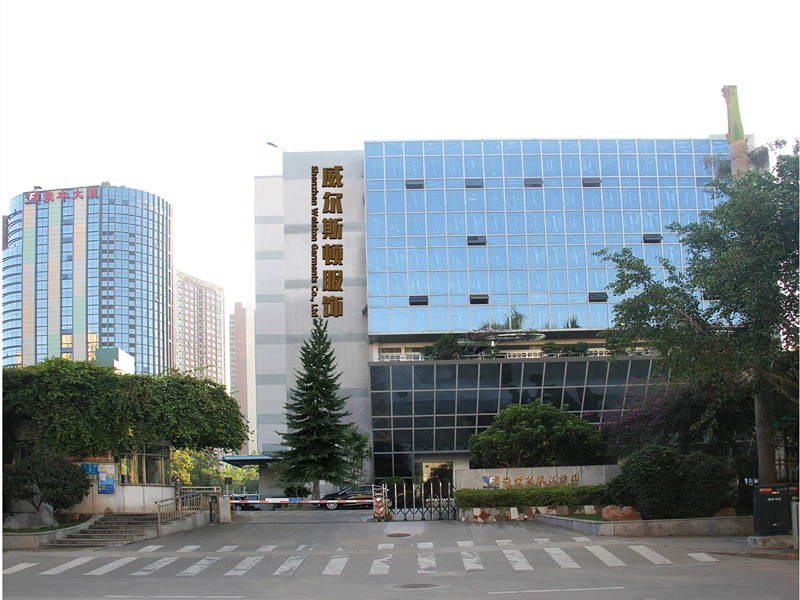
With 27 years of experience, Shenzhen Welston Garments provides durable Restaurant Polos designed for hospitality needs. Three factories, ten production lines, advanced equipment, and strict quality control ensure reliable delivery and consistent quality. Welston offers complete support from fabric selection and customization to production updates and after-sales service, building long-term partnerships with customers.
Conclusion
Custom Restaurant Polo shirts are a smart choice for uniforms because they look good, work well, and save money. Because of the tough conditions in food service settings, these specialised clothes are made with carefully thought-out fabric engineering, strengthened construction, and the ability to be customised in ways that boost brand presence. As part of the procurement process, you have to look at how well the fabric works, figure out the real cost of ownership, and work with suppliers who have experience with hospitality-specific clothing rather than general clothing knowledge. When chosen and cared for properly, Restaurant Polos make staff feel more comfortable and confident while also giving off a professional vibe that makes customers happy and loyal. Investing in good uniforms pays off because the clothes last longer, team morale goes up, and there is a positive vibe that affects people's decisions about where to eat and how often they come back.
FAQ
1.Can restaurant polos work for both front-of-house and kitchen staff?
Of course. Restaurant Polos are very flexible in all of operating areas. Front-of-house staff like how professional polish polos make them look when they're talking to customers, and kitchen staff like how they let air flow and wick away moisture while making food over high heat. The most important thing is to choose the right fabric types. Polyester-cotton mixes work well in most settings, but 100% polyester performance fabrics are better for high-temperature exposure and line positions. Strategic colour coding lets you tell the difference between jobs visually while keeping your brand's look consistent throughout your business.
2.How do you maintain restaurant polos to maximize their lifespan?
If you wash your Restaurant Polo the right way, it will last a lot longer. When washing clothes in commercial machines, turn them inside out and use moderate temperatures (140°F to 160°F). These temperatures effectively clean without damaging the fabrics like high-temperature cycles do. Use dish soaps made for food service settings that break down proteins and oils instead of harsh chlorine bleach, which hurts both fabric and embroidery threads. To keep the shape, tumble dry on medium heat or dry on a drying rack. Don't use fabric softeners that coat fibres and make it harder for them to wick away wetness. If you follow these guidelines, good Restaurant Polo shirts will look professional for 50+ washes before they start to show signs of use.
3.What turnaround times should I expect for custom embroidered restaurant polos?
Standard production times for simple stitching on clothes that are already in stock are 14 to 21 days. Complex drawings that need to be digitised or thread colours that aren't commonly used may make the wait time 3–4 weeks. It takes an extra two weeks to make things when they are dyed to special brand colours. Welston's large stockpile and advanced production capabilities often shorten these lead times, especially for repeat orders where embroidery files and specs are already known. Rush services can be used for last-minute needs like big openings or sudden staff additions, but they usually come with extra costs for faster shipping and production.
Partner With Welston for Your Restaurant Polo Needs
Welston wants procurement managers and people who work in hospitality to look into how our customisable Restaurant Polo solutions can make uniform programs easier and improve the way a brand looks. Our team at [email protected] is ready to talk about your specific needs, send you fabric samples, and make proposals that fit your budget and operational scale. As a well-known company that makes Restaurant Polo for customers all over the world, we know how important it is for uniform programs to find a good balance between quality, cost, and delivery reliability. Whether you're outfitting a single spot or making sure that company standards are followed across multiple properties, our production capacity and experience in the field make implementation go smoothly. Get in touch with us right away to get samples, talk about customisation options, and find out how working with Welston can make getting uniforms easier while making sure your team always looks good and works comfortably. You can look at our full catalogue of products at welstongarments.com and start talking about outfits that work as hard as your staff does.
References
1. Patterson, R. & Morrison, K. (2021). Uniform Performance Standards in Modern Foodservice Operations. Hospitality Management Quarterly, Vol. 48, Issue 3, pp. 112-128.
2. Chen, L. (2020). Fabric Technology and Worker Comfort in Commercial Kitchens: A Comparative Analysis. Journal of Textile Engineering for Professional Applications, Vol. 15, No. 2, pp. 89-104.
3. Thompson, A., Rodriguez, M., & Singh, P. (2022). Brand Perception and Uniform Quality in Casual Dining Environments. Restaurant Business Review, Vol. 34, pp. 67-82.
4. Williams, J. (2019). Industrial Laundering Effects on Professional Apparel Durability. Textile Research Institute Annual Proceedings, pp. 203-219.
5. Anderson, K. & Lee, S. (2023). Cost-Benefit Analysis of Uniform Investment in Multi-Unit Restaurant Operations. Cornell Hospitality Reports, Vol. 23, No. 4, pp. 1-16.
6. Martinez, C. (2021). Technical Specifications for Moisture Management in Occupational Garments. International Journal of Clothing Science and Technology, Vol. 33, Issue 6, pp. 441-456.
We specialize in designing, producing, and selling corporate clothing. Mainly produces: industrial clothing, business uniforms, and work clothes for different companies.
About Welston Garments