The Ultimate Guide To Uniform Polos
Many buying managers may not always know how crucial it is to select the proper attire for the workplace. A decent Uniform Polo does more than simply clothe your crew, it demonstrates that you’re professional, helps people remember your brand and keeps employees comfortable over long shifts. Uniform Polos are a professional quality polo that are distinct from the ones you buy in shops. They are sewn with stronger threads, colourfast dyes and with materials that are designed to stand up to industrial washing cycles without losing that clean look. This book addresses the genuine issues that business-to-business purchasers face, from ensuring enormous purchases are of the same size, to finding the perfect balance between pricing and sturdiness, to selecting textiles that will fit in your unique environment, whether a sleek tech office or a bustling hotel lobby.
Understanding Uniform Polos: Definition, History, and Benefits
What Sets Professional Uniform Polos Apart
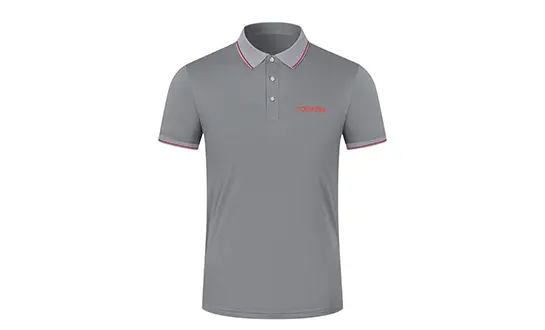
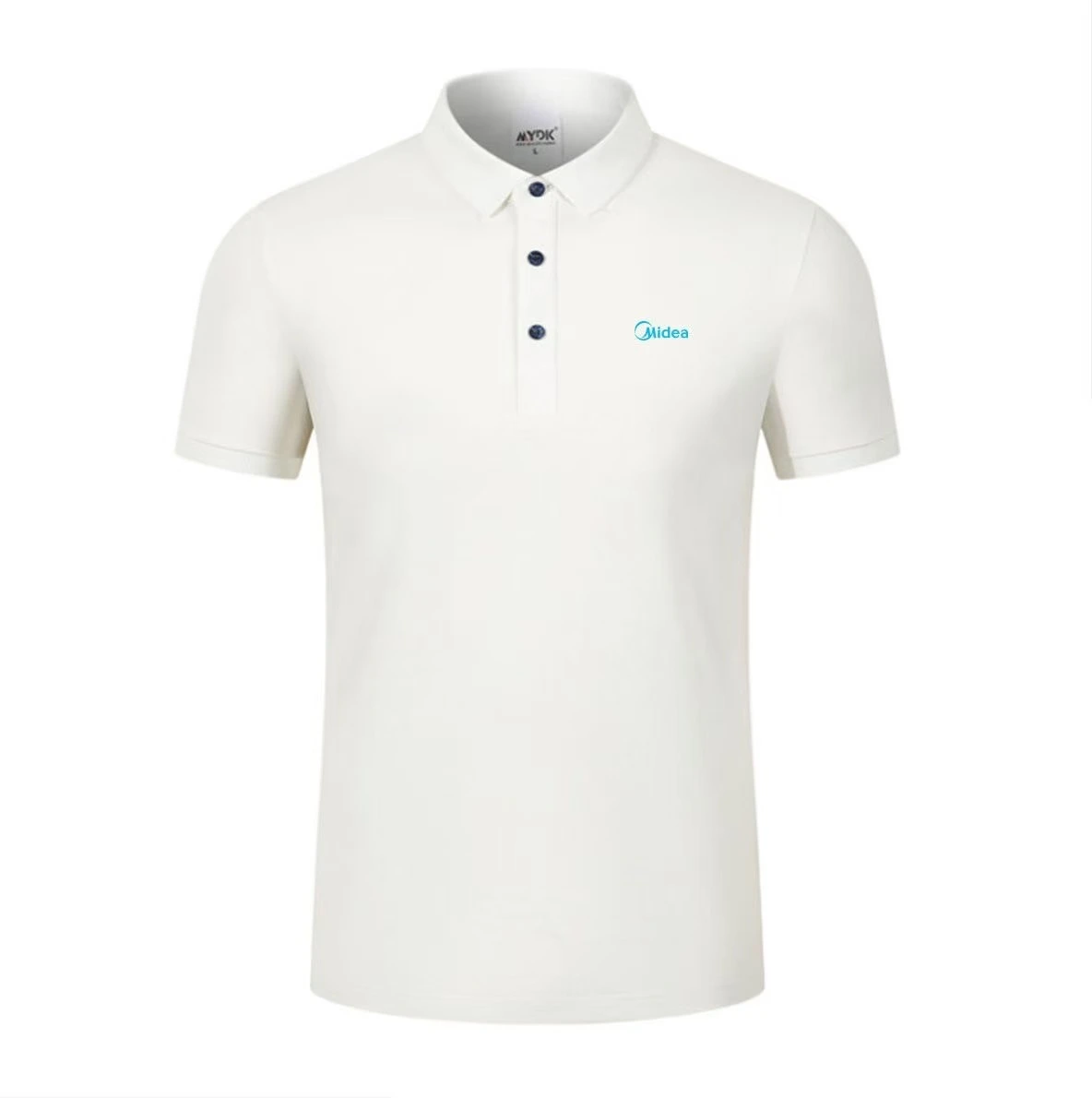
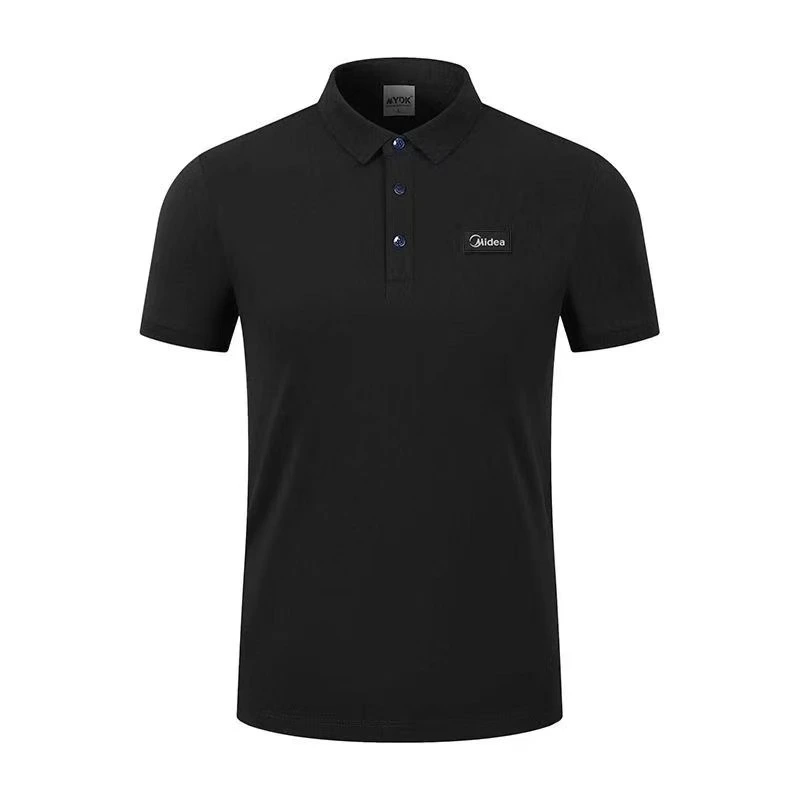
A professional Uniform Polo is a specially knitted shirt with a soft collar, a buttoned placket, and a carefully engineered construction made for corporate identity and long-lasting use by workers. Casual polos care more about what's in style, but workplace polos are more about function: they don't fade after multiple washes, keep their shape after dozens of wears, and give embroidered logos a stable surface that doesn't pucker.
The distinction is in the simple things. Professional uniform manufacturers utilise combed compact yarns to prevent surface pilling, reinforced shoulder seams to prevent the fabric stretching and colourfast dyes that are Grade 4-5 on the ISO 105 scale. They are visual communication tools that make your team seem like a team and can withstand the wear and tear of regular labour.
Evolution from Casual Wear to Workplace Essential
In the 1920s, tennis players made polo shirts famous, but it wasn't until decades later that business people saw their promise. The collar made it dressier than t-shirts, and the knit material made it more comfortable than regular dress shirts. In North America, tech companies started wearing polos as work casual clothes in the 1990s, and the hotel industry soon followed.
These clothes have changed because of new technologies. To deal with busy workplaces, moisture-wicking polyester mixes came about. UPF 40+ fabrics now keep people who work outside safe. Antimicrobial treatments keep smells from building up during long shifts. Welston has been a part of this change since it began doing business in 1998. It has changed its production methods to meet the needs of workplaces in Europe, North America, and developing markets.
Core Benefits for B2B Procurement
Professional Uniform Polos have clear benefits that can be measured. They create fast team recognition, so customers can quickly recognise your staff, which makes service more efficient. When workers wear comfortable, well-fitting clothes that keep them cool and let them move around, they are happier with their jobs.
It takes time for cost-effectiveness to materialise. A decent polo shirt can survive 50+ industrial wash cycles, against 20-30 for the ones you buy in the shop, meaning you won’t have to replace them as often. If you buy a bunch at once, the cost for each item will go down a lot. Customisation maintains the consistency of your brand personality across places. This is especially true for hotel brands in the Middle East, Asia Pacific and North America, where consumers have faith in brands that appear the same.
Choosing the Right Uniform Polo: Fabric, Design, and Fit Guides
Fabric Technology and Performance Characteristics
How well your outfit works in real life depends on the fabric you choose for Uniform Polo. Cotton is naturally soft and breathable, but it holds on to moisture and fades more quickly when exposed to UV light. Pure cotton works well in climate-controlled offices but not so well in places with a lot of action.
Polyester mixes last longer and keep their colour better than other materials. The norm in the business is a 65/35 poly-cotton mix, which is comfortable and easy to clean. These blends dry quickly, don't wrinkle, and keep their look even after being washed many times. Performance polyester fabrics have moisture-wicking technology that pulls sweat away from the skin. This is very important for event staff who work outside or cooking teams who work in hot places.
Sustainability issues now play a role in buying choices. A lot of business clients in North America and Europe ask for proof of organic cotton or recycled polyester material. Our production facilities can meet these needs while keeping the fabric weight (usually 180–240 GSM) that is needed for professional look and opacity.
Design Elements That Impact Brand Presentation
When it comes to comfort and professionalism, sleeve length is important. Short-sleeve polos that end mid-bicep are good for active jobs and warm climates because they let your arms move freely. Long-sleeved options offer extra coverage that is appreciated in formal business settings and cooler climates, which boosts employee confidence when talking to clients.
Branding strategies need to be carefully thought out. Embroidery is a high-quality way to show off a name that will last, but it needs the right stabiliser backing to keep the fabric from puckering, which is especially important for polos that weigh less than 200 GSM. Screen printing is cheaper for advertising orders that come in big quantities. Silicon seals and 3D logos are newer options that are better at resisting bending than older ways.
Colour psychology affects how people see things. Navy and black project power and work well in business settings. Sky blue and white are clean colours that are popular in the healthcare and hospitality industries. Sizes ranging from S to 5XL make sure that a wide range of workers can find a good fit.
Achieving Accurate Sizing Across Bulk Orders
Size differences stop uniform programs in their tracks. To get accurate measurements, you need to know how to take them correctly. You should measure the chest at its widest place with a snug but easy tape tension, the width of the shoulder across the back, and the length from the top of the shoulder to just below the waistline.
Custom size gets rid of usual problems. Off-the-shelf standards are different for each manufacturer, which makes it hard to reorder. Setting your company's size requirements will make sure that a Medium ordered in Q1 will fit a Medium bought in Q4. For business clients, we keep thorough size records that ensure consistency over multi-year contracts.
Fit has a direct effect on how happy employees are. Clothes that are too tight make it hard to move and are uncomfortable. Extra cloth makes you look messy and careless. The right fit gives you a slim shape that still looks good after eight hours of work, which is important for customer-facing jobs in retail and restaurants where appearance affects the experience of the customer directly.
Comparing Uniform Polos: Making Informed Purchasing Decisions
Quality Indicators and Supplier Evaluation
To tell the difference between high-end and low-cost Uniform Polos, you need to know how they are put together. Check the quality of the seams—professional clothes have stitching that is stronger at stress places. Check the collar structure. Jacquard flat-knit collars with spandex stop the 'bacon collar' twisting that happens with cheaper collars.
Colourfastness tests show how long something will last. To avoid metamerism, which is when colours look different in different lighting, ask to see lab dip samples under D65 light conditions. Dimensional stability is important. Professional polos don't shrink more than 3%, while lower-grade options shrink between 7 and 10%.
The credibility of the supplier affects the success of a long-term partnership. Check the equipment's quality, production ability, and knowledge in the market. Our 10 production lines use JUKI and SHINLING machines from Japan and Taiwan, which makes sure that the quality of the products we make is always the same. Since 1998, serving customers in Europe, North America, the Middle East, Japan, and South Korea shows that they can react to different quality standards and regional needs.
Budget Versus Premium Investment Analysis
An important goal for procurement teams is to keep up-front costs as low as possible. Cost of purchase, on the other hand, tells a different story. A cheap polo shirt that costs $8 and can be washed 20 times costs $0.40 per wear. A $15 quality shirt that lasts 60 wears costs $0.25 each time, which is a 37% savings.
Over time, hidden costs add up. Replacements that happen often add to the administrative work, the cost of reordering, and the difficulty of managing inventory. Even if the cloth is still in good shape, colour fading forces early replacement. When employees don't like the clothes they're wearing, it lowers mood and could even lead to more turnover in competitive job markets.
A high-end purchase is worth it because it lasts longer, is more comfortable, and presents the brand consistently. This is especially important for tech companies and big businesses that care about the environment and their employees' well-being because good workwear shows what the company stands for.
Strategic Sourcing for Competitive Advantage
Negotiating prices is only one part of procurement optimisation. Lead time reliability stops stock-outs that slow down operations. Our large inventory allows for quick delivery of urgent needs, and our streamlined order processes, from design consultation to quality inspection, make the procurement cycle simpler.
Customisation options set skilled providers apart from basic makers. Customising materials can help meet efficiency or environmental standards. Customising sizes makes sure that they fit a wide range of workers. Colour matching makes sure that the company looks the same across all of your products and facilities.
Geographical factors affect decisions about where to get materials. Suppliers who work with more than one area know that different legal requirements, temperature issues, and regional differences can make it harder to adopt the same standards everywhere. Delivering to quality-conscious markets in Europe, efficiency-driven markets in North America, and new markets in Asia Pacific and the Middle East shapes how we make products and how we treat customers.
Procurement and Ordering Guide for Bulk Uniform Polos
Navigating the Order Process Efficiently
Buying professional uniforms follows a structured process that keeps everyone safe and makes sure everyone is happy. It starts with a study meeting where sellers talk about new products on the market, such as new fabrics that wick away moisture, new technologies that make customisation easier, or design trends that are spreading across all fields.
Working together on design turns your brand's vision into wearable reality. Whether we're adapting our current styles or making new ones, this phase sets the tone for what to expect. After sampling, physical samples are made for review. This important step lets you test the fit across a range of sizes and look at where the name should go before you commit to mass production.
Sample proof makes small changes to the product until it meets the requirements. Once approved, placing an order starts the process of getting materials. A 30% deposit protects the output schedule and the buying of raw materials. Clear dates are shared throughout the manufacturing process before mass production starts.
Quality inspection precedes delivery, verifying specifications are met. As soon as the remaining 70% is received, shipping will begin according to your chosen arrangements. After delivery, customer service takes care of any problems, and quick contact makes sure the problem is solved easily.
Understanding Cost Components and Pricing Variables
When two businesses deal with each other, clear pricing builds trust. Fabric choice is the biggest factor that affects cost of Uniform Polo; basic cotton blends and performance polyester that wicks away moisture have different prices. The gauge (GSM) of the fabric affects both its cost and its effectiveness. Heavier fabrics last longer but cost more.
Customisation costs depend on how complicated the technique is. Stitch count and design size affect how much embroidery costs. Setup costs go up for patterns with a lot of colours. Screen printing can save you money when you make a lot of them. When procurement teams know about these things, they can better balance their goals for brand presentation with their limited budgets.
The number of units ordered has a big effect on the price per unit. Minimum order numbers (MOQs) are different for each level of customisation. For example, stock colours have smaller MOQs than unique colour matching. Larger promises are rewarded with volume savings. Finding the true value goes beyond the initial per-piece price by including shipping, inventory holding costs, and how often the item needs to be replaced.
Building Supplier Relationships for Long-Term Success
Partnerships that you can count on are key to the success of uniform schemes. Responding quickly to situations like pressing reorders or sudden size needs is what sets good partners apart from great ones. We stay in touch throughout the shipment and respond right away to any concerns.
Service standards are important at every stage of the buying process. Pre-sale consultations help customers understand their material choices, size needs, and quantity needs. Smooth processing and proactive updates keep things from going wrong during transactions. After-sale help quickly fixes any problems, keeping customers happy and building trust.
Different organisations need different payment terms to meet their needs. Quality control rules make sure that all orders are the same. With three factories and ten production lines, the company has a lot of production capacity to handle both regular restocking orders and sudden volume increases without affecting delivery times or quality standards.
Maintaining Uniform Polos: Care Instructions and Longevity Tips
Laundering Best Practices by Fabric Type
Proper laundering extends the lifespan of Restaurant Polos. Cotton and blends should be washed in cool to warm water, turned inside out, and given enough space for cleaning. Polyester fabrics require gentle cycles and no softeners to maintain moisture-wicking performance. For industrial washing, use suitable cycles and lower-temperature drying to reduce fabric wear and preserve quality.
Addressing Common Wear Issues Proactively
Preventing common wear issues extends the life and appearance of Restaurant Polos. Using quality yarns and finishing processes reduces pilling, while fabric shavers can remove surface pills safely. Quick stain treatment with suitable methods protects the fabric. Proper washing, colour separation, reduced sun exposure, and UV-resistant dyes help maintain a professional appearance over time.
Inventory Management and Replacement Strategies
Strategic replacement programs help maintain uniform quality by identifying worn, stained, or faded Restaurant Polos and balancing usage through rotation. Maintaining inventory buffers prevents shortages, while replacement rates should match actual wear levels. Regular bulk reorders reduce costs and ensure consistency. Detailed supplier records of fabric, sizes, and customisation simplify future replenishment.
Conclusion
Choosing the right Uniform Polo can change the way your workplace looks and help your employees be more comfortable and productive. Professional-grade clothes designed to match a company's image add real value by lasting longer, keeping the brand's look consistent, and making employees happy. Procurement professionals can make smart decisions that balance short-term costs with long-term benefits when they understand fabric technology, accurate sizing, and quality indicators. Strategic relationships with suppliers give uniform programs the customisation options, reliable shipping, and service that people need to be successful. With regular care, you can get more out of your investment and keep it looking professional. The tips in this guide can help with buying success in a wide range of industries and markets. They can be used to outfit business teams, hospitality staff, or promotional event staff.
FAQ
1.How do uniform polos differ from regular retail polos?
Professional Uniform Polos feature reinforced construction, industrial-grade stitching, and colourfast dyes designed for repeated commercial laundering. They keep their shape after being washed many times, don't pill because the yarn is so good, and the sizes are always the same when you buy them in bulk. Retail polos put fashion trends ahead of durability by using lighter fabrics and standard construction that isn't good for tough workplaces.
2.What fabric works best for active work environments?
Combinations of polyester and other materials work great in busy settings because they wick away sweat. A 65/35 poly-cotton blend keeps colours bright and prevents wrinkles while balancing performance and comfort. Pure performance polyester is good for very busy jobs, but it might hold smells if it hasn't been treated with an antimicrobial. Offices with climate control can use cotton-rich mixes that put air over moisture management.
3.Can we match our exact brand colors through customization?
Before mass production, lab dip approval is needed for exact colour matching. To stop metamerism, suppliers make sample colours that are looked at under normal D65 lighting. This process makes sure that each batch of products is the same, which is important for keeping the brand's identity across multiple places. Include Pantone references when you place your order so that you know exactly what colours to expect from the start of the project.
Partner with Welston for Your Uniform Polo Requirements
Welston has been making professional clothing for 27 years and has advanced production skills that allow them to make Uniform Polos that go above and beyond what B2B customers expect. With three factories and ten production lines, we can reliably meet both current projects and pressing needs. We offer unique solutions in a range of materials, sizes, and branding methods to business clients, hotel groups, and promotional companies in Europe, North America, the Middle East, and developing markets. Our engineering team creates solutions that meet your operational needs, whether you need performance fabrics that wick away moisture, environmentally friendly materials, or exact colour matching. We have a lot of stock, so we can send quickly, and you can order as few as 100 pieces or as many as 10,000. Get in touch with [email protected] to talk about your uniform needs with knowledgeable experts who know how to find a reliable Uniform Polo seller while taking into account price and technical needs.
References
1. Brown, M. & Chen, L. (2021). Corporate Identity and Workforce Apparel: Strategic Considerations for B2B Procurement. International Journal of Business Textiles, 15(3), 78-95.
2. Henderson, R. (2020). Textile Engineering for Professional Garments: Fabric Technology and Performance Standards. Industrial Clothing Press.
3. Morrison, K. et al. (2022). Global Workwear Markets: Regional Analysis and Procurement Trends 2015-2022. Market Research International.
4. Patel, S. & Williams, J. (2019). Quality Control Standards in Corporate Uniform Manufacturing: ISO Compliance and Best Practices. Apparel Industry Review, 42(2), 112-129.
5. Thompson, A. (2023). Sustainable Textile Sourcing: Environmental Considerations in B2B Apparel Procurement. Business Sustainability Quarterly, 8(1), 45-63.
6. Zhang, W. & Rodriguez, M. (2020). Cost-Benefit Analysis of Premium Versus Budget Workwear: Total Ownership Studies Across Industries. Procurement Management Journal, 28(4), 201-218.
We specialize in designing, producing, and selling corporate clothing. Mainly produces: industrial clothing, business uniforms, and work clothes for different companies.

About Welston Garments