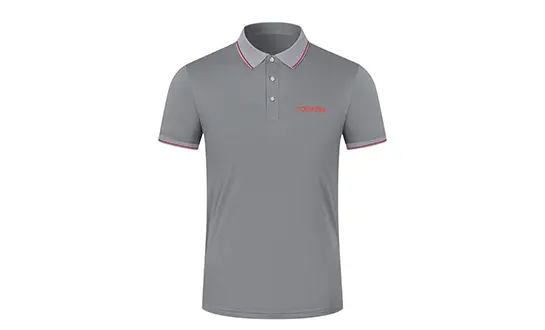
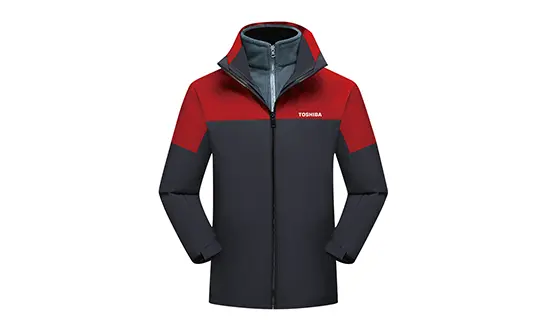
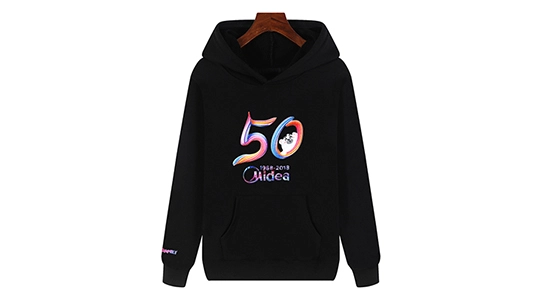
Heavy Duty Work Hoodie: Built for Tough Jobs
Safety gear is more than simply garments when factory workers must endure harsh conditions, such as those seen on construction sites, in factories, or on outdoor labor sites. An essential barrier between employees and potential hazards at work is a work hoodie designed for harsh environments. Stronger materials, safety-approved features, and useful designs that maintain their durability even after frequent usage distinguish industrial-grade work sweatshirts from standard hoodies. For procurement professionals who wish to maintain team safety while maintaining seamless operations in demanding work conditions, this clothing is a wise investment.
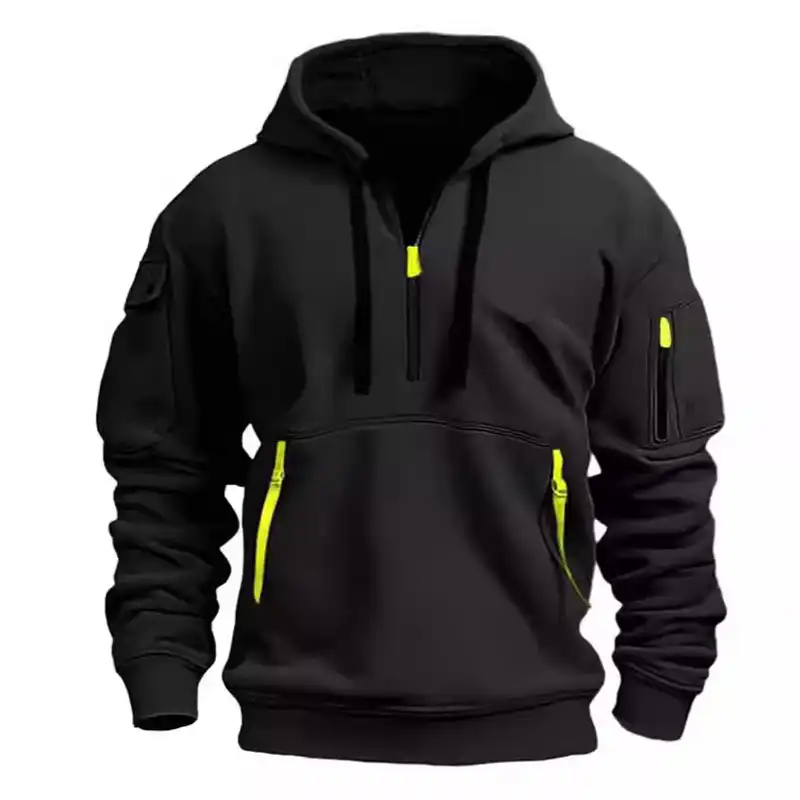
Understanding Heavy Duty Work Hoodies: Key Features and Benefits
Engineering specs and performance standards are what set professional-grade work hoodies apart from hoodies that are worn for fun. Hoodies for industrial work are designed to handle certain tasks that regular clothes can't.
Enhanced Material Composition
Professional work hoodies are made from a mix of fabrics that protect and keep you comfortable. Common formulas include 60/40 cotton-polyester mixes that let air flow and keep clothes from tearing or wearing down. The polyester adds tensile strength and lessens shrinking, while the cotton keeps the fabric resistant to flames, which is a very important safety feature for welding. Fabrics with a weight of 300 to 450 GSM (grams per square meter) keep you warm without making it hard to move around. Welston only buys high-quality materials from approved suppliers to make sure that every work hoodie meets the high standards for sturdiness that our partners at Panasonic and Toyota expect.
Safety Integration Features
These days, work jackets have safety features that turn regular clothes into protection gear. ANSI/ISEA 107-compliant high-visibility tape helps workers stay seen when there isn't much light or when they are close to moving machines. Some specialized work jackets are treated to be flame-resistant in a way that meets NFPA 2112 standards. This keeps oil and gas workers safe from flash fires. Water-repellent coats make things work better when they're wet, but they need to be renewed every so often after several wash cycles.
Functional Design Elements
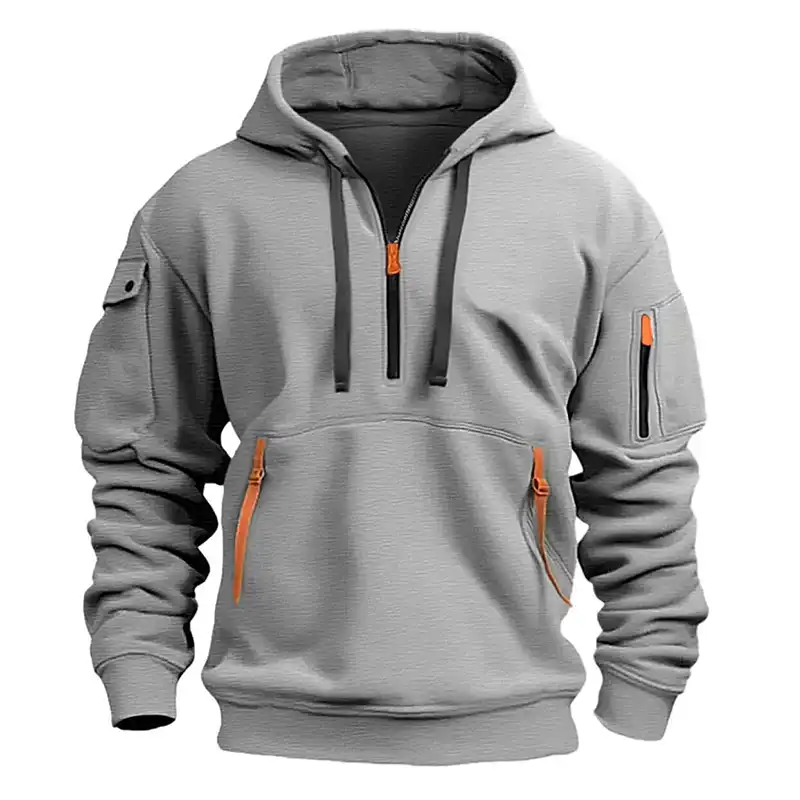
The best work coats have useful features that make daily chores easier. When moving goods or putting things together, reinforced elbows can handle steady surface contact. Oversized tops can fit hard hats without making it harder to see. Strategic pocket location, such as on the chest, the side, or the inside, keeps tools, cell phones, and paperwork safe. Triple-stitched seams and bartack supports at stress points keep areas with a lot of movement from failing too soon.
These technical issues directly address practical pain points in a wide range of fields, from logistics to hospitality, where shift workers have to deal with changing working conditions.
How to Choose the Right Heavy Duty Work Hoodie for Your Business
To choose the right work coats, you need to carefully look at the working conditions, the needs of the workers, and the product specs. This organized method helps purchasing managers make choices that are based on facts and strike a balance between price and effectiveness.
Assessing Work Environment Factors
The environment has a big impact on what clothes are needed. In northern areas, construction teams need insulated work coats with windproof shells. On the other hand, warehouse workers who work in temperature-controlled spaces may value breathability over insulation. Chemically-exposed jobs need special fabric processes that regular work hoodies don't have. Working with clients in Europe, the United States, and the Asia-Pacific region has taught us that choosing clothes that are right for the temperature has a big effect on how happy workers are and how long clothes last. Because of the special difficulties of working outside in the Middle East and Africa, UV protection is a must. Work hoodies made of UPF-rated materials help keep workers from getting hurt in the sun during long jobs outside. In these areas, the hotel industry often needs designs that are sensitive to different cultures but still look professional and meet practical needs.
Evaluating Material Durability
Performance testing of fabrics shows that they have long-term value beyond the price they were bought for. Using the Martindale method to test abrasion resistance shows how well materials can handle repeated friction. Work hoodies should be able to handle more than 20,000 rounds without showing any major wear. Colorfastness scores tell you if clothes keep their look after being washed in a commercial washing machine, which is important for business image when branded uniforms are worn. Dimensional stability testing shows that there isn't much shrinking, which cuts down on size returns and makes sure that the fit stays the same after many wash cycles.
Safety Certification Requirements
Certain businesses have to follow certain safety rules. For construction and road repair jobs, work hoodies usually need to have ANSI Class 2 or Class 3 visible features. Electrical repair teams need clothes that can withstand arcs and meet the standards set by ASTM F1506. Knowing which licenses apply to your business can help you avoid costly compliance problems and keep your employees from getting hurt in ways that could have been avoided.
Customization Options for Brand Identity
Branded work jackets protect workers and promote the company's image at the same time. Welston lets you customize your items in a number of ways, such as by embroidering for a classic, professional look or screen printing for a strong brand statement. The location of the logo (left chest, right chest, arm, or back) affects how visible it is and how strong the brand is. Colour choices should meet safety standards in the industry and also show the company's name. Our standard colour range includes blue-gray, dark grey, and high-visibility combinations like orange-navy and yellow-navy. Teams that buy in bulk do better when they work with makers that let them make changes without charging extra for small orders. We can handle orders from small service teams to large industry workforces needing thousands of units thanks to our three factories and ten production lines.
Comparing Heavy Duty Work Hoodies – What Features Set the Best Apart?
Different operating situations call for different work hoodie requirements. Knowing about these differences helps procurement pros match goods to the needs of the workplace instead of using general descriptions.
Insulated Models Versus Lightweight Types
The weather determines how much protection is needed. Heavy-insulated work hoodies with fleece linings are good for cold storage facilities, winter building work outside, and tasks that involve moving cold items. Usually, these are made of 400 GSM or higher fabrics that keep heat in. Heavy work jackets (300–350 GSM) keep you warm without keeping too much heat in. This makes them good for changing from inside to outside in places like car repair shops, factory workshops, and moderate-climate building sites. The choice has a direct effect on worker happiness; clothes that are too warm cause heat stress in hot places, and clothes that are too cold make people less productive. Seasonal buying strategies often include keeping both types of goods in stock so that they can be used when the weather changes.
Cotton Versus Polyester Fabric Blends
Pure cotton work hoodies are better at resisting flames than synthetic ones, so they are better for welding and other hot jobs where synthetic materials might melt on the skin. Cotton also naturally lets air pass through it, which workers like when they have to do hard physical work. However, clothes made of 100% cotton shrink more and wear out faster than clothes made of a mix of cotton and other materials. Cotton-polyester mixes are useful for a wide range of industry purposes. The polyester part makes the fabric stronger against tears, cuts down on shrinking to less than 3%, and keeps colours better when exposed to UV light. For most building, production, and logistics tasks, a 60/40 cotton-poly blend is the best balance. Our factories use JUKI and SHINLING machines from Japan and Taiwan to handle fabrics precisely and keep the purity of the blends while they are being made.
Features That Justify Premium Pricing
More expensive work coats usually have special finishes or building methods that make them last longer. Coatings that are durable and resist water add 15–25% to the base cost, but they keep workers from getting wet for 20–30 wash cycles. Double-layer cloth at wear spots and reinforced construction cost more at first, but they last longer and don't need to be replaced as often. Safety standards require testing costs that makers include in the price of the garment, but these features keep workers from getting hurt at work, which is worth much more than the cost of the garment itself.
If you want to save money on buying, you should look at the total cost of ownership instead of just the purchase price. A work hoodie that can be worn every day for 18 months and costs 20% more will last longer than a basic item of clothing that needs to be replaced after 8 months.
Procurement Insights: How to Buy Heavy Duty Work Hoodies for Your Organization
Procurement that works well combines the need for quality with the limitations of the budget, while also making sure that deliveries are made on time and that workers are the right size.
Sourcing from Reliable B2B Suppliers
The choice of manufacturer has a big effect on the uniformity of the product and the buying experience. Trading businesses can't keep up with the quality control of established manufacturers with their own production sites. We run three plants with more than 580 workers and keep in touch with reliable outsourcing partners to ensure uniform quality and on-time delivery. Our list of clients, which includes Benz, Dell, and Toshiba, shows that we always uphold high quality standards in all of our production runs. The output capacity, quality of the tools, and quality control methods should all be looked at when evaluating a supplier. Facilities with high-tech cutting tools and automatic stitching systems get better results every time than those that do things by hand. Our production lines for screen printing, water-based glue, and heat transfer allow for full customization without having to wait for delays in exporting.
Bulk Ordering Strategies
Large purchases can save you a lot of money and keep your employees uniform. Different manufacturers have different minimum order numbers. Some need 500 or more units per design, while others can handle smaller runs. Welston lets you order in a way that works for both small service teams and large industrial workforces. The prices are set in a way that rewards large orders without punishing small ones. Availability and price are affected by when the goods are bought. When you order before busy times (like fall for winter work coats), you make sure there is enough inventory and don't have to pay extra for rush services. Setting up yearly contracts with set delivery dates makes planning easier and ensures supply stability.
Ensuring Proper Sizing Across Workforces
Size-related returns add extra costs and wait times. By asking for sample units in different sizes, workers can try them out before placing large orders. To keep things clear, size charts that show chest, length, and arm measures in both inches and centimetres are used. Our size range, from S to 5XL, fits a wide range of body types, which is usual in international workplaces. Some makers give you pre-production models of the changes they want to make so you can give your final approval before they start full-scale production. This step stops mistakes that cost a lot of money in image placement or colour matching. We have dedicated after-sales staff who reply within 24 hours to questions about sizes or requests for changes.
Understanding Shipping and Return Policies
Shipping terms must be clear for foreign purchases. FOB (Free on Board) means the buyer ships after the ship leaves the port. The DDP price covers all costs until the destination. Normal work jacket lead times are 15–30 days. Customization can add 7–14 days, depending on complexity. Sellers have significantly diverse return policies. Some only accept returns for manufacturing defects, while others allow size exchanges within specific timeframes. Setting precise terms before ordering prevents disputes. Our clear guidelines safeguard buyers and maintain our business practices environmentally friendly.
Caring for Your Heavy Duty Work Hoodie: Maintenance Tips to Extend Lifespan
When you take care of your protective gear properly, it lasts longer and keeps its protective features. This means that your investment in quality clothing pays off in full.
Washing and Drying Best Practices
Industrial laundry has different temperatures, soap power, and cycle severity than home laundry. DWR work hoodies shouldn't include fabric softeners because they reduce waterproofing. Fabrics handle heat differently. Although some processes require cold water washing, cotton-poly mixtures can take 40°C (104°F) water. Bulk orders include with care instructions to prolong feature life. How clothes are dried affects their lifespan. Air drying preserves fabric shape, but high-heat tumble drying shrinks and weakens flexible sections. Commercial launderettes should use low heat and prevent overdrying garments to avoid damage.
Storage Considerations
Correct storage prevents wear between usage. Instead of folding, hang work coats to eliminate creases. Storage areas should be dry and airy to prevent mould growth. This is especially critical for wet clothes. Seasonal storage should be cleaned to remove oils and other impurities that can attract pests or wear down materials before storing.
Recognizing Replacement Indicators
Good work coats need replacing occasionally. Safety hazards including worn material, bright tape that stops reflecting light backwards, and caught zippers must be addressed immediately. While faded colors may not compromise security, they damage the company's image in customer-facing positions. Workers are always safeguarded by setting replacement rounds based on usage rather than random dates.
Regular clothing inspections detect issues before they become hazards. Every three months, teams examine their work sweatshirts to plan replacements and set budgets.
Conclusion
When buying work sweatshirts, you must balance security, sturdiness, and cost-effectiveness with your company's safety guidelines. By understanding material qualities, safety requirements, and maintenance, procurement professionals may make decisions that safeguard workers and add value. Industrial work jackets and casual clothes differ in safety, technological requirements, and construction quality for difficult working situations. The correct work hoodie affects worker safety, comfort, and productivity. This applies to outfitting builders in cold climates, warehouse workers in temperature-controlled locations, and hospitality workers who need to seem professional. Strategic sourcing from experienced manufacturers ensures quality, on-time delivery, and after-sales support.
FAQ
1. What makes a work hoodie suitable for construction environments?
Stronger knees, high-visibility bright tape that meets ANSI standards, and long-lasting fabric blends (usually 300+ GSM) that don't tear easily from sharp objects are all features of construction-grade work hoodies. They should have places for tools that work and be able to fit hard hats with hoods that are too big. Water-repellent techniques protect against changes in the weather that are common in open areas.
2. Can work hoodies be customized with company logos for bulk orders?
Good makers offer many ways to customize, such as stitching for a more professional look or printing for a strong brand identity. Usually, you can put the logo on the chest, the arms, or the back. Customization usually adds 7–14 days to the production time, and suppliers have different minimum orders. We can meet the unique needs of orders of all kinds when it comes to size, colour, and graphics.
3. How do I ensure work hoodies maintain safety features after washing?
Protections are kept in place by following the care rules provided by the maker. For work coats that won't get wet, don't use fabric softeners, wash them at a reasonable temperature, and let them dry naturally if you can. Regular inspections of reflective tape are recommended; if retroreflection decreases significantly, clothing replacement is the only way to ensure continued visible protection. It's common for DWR coats to last for 20 to 30 washes before they need to be retreated or replaced.
Partner With Welston for Your Work Hoodie Supplier Needs
Shenzhen Welston Garments, a leading work hoodie manufacturer, has nearly 30 years of experience in clothing manufacturing, operating three plants and ten production lines to accommodate orders of any size, from hospitality uniforms to industrial workwear. We prioritize quality and timely delivery, recognizing that protective workwear impacts worker safety, operational efficiency, and company image. Our work hoodies are crafted using advanced Japanese and Taiwanese equipment, with in-house customization options available. Trusted by major brands like Panasonic and Toyota, we provide tailored solutions for various needs, including flame-resistant and high-visibility clothing. Contact [email protected] to discuss your requirements or request samples, and visit welstongarments.com to explore our extensive range of industrial clothing.
References
1. American National Standards Institute. (2020). ANSI/ISEA 107-2020: High-Visibility Safety Apparel and Accessories. American National Standards Institute, Washington, D.C.
2. National Fire Protection Association. (2018). NFPA 2112: Standard on Flame-Resistant Clothing for Protection of Industrial Personnel Against Short-Duration Thermal Exposures from Fire. National Fire Protection Association, Quincy, Massachusetts.
3. ASTM International. (2019). ASTM F1506-19: Standard Performance Specification for Flame Resistant and Electric Arc Rated Protective Clothing Worn by Workers Exposed to Flames and Electric Arcs. ASTM International, West Conshohocken, Pennsylvania.
4. Textile Research Journal. (2021). "Durability Assessment of Industrial Workwear Fabrics Under Simulated Occupational Conditions." Textile Research Journal, Volume 91, Issue 15-16, pp. 1842-1856.
5. International Journal of Industrial Ergonomics. (2020). "Impact of Workwear Design on Manual Handling Performance in Manufacturing Environments." International Journal of Industrial Ergonomics, Volume 76, Article 102924.
6. Journal of Occupational and Environmental Hygiene. (2019). "Effectiveness of High-Visibility Garments in Reducing Workplace Incidents: A Systematic Review." Journal of Occupational and Environmental Hygiene, Volume 16, Issue 8, pp. 567-578.
We specialize in designing, producing, and selling corporate clothing. Mainly produces: industrial clothing, business uniforms, and work clothes for different companies.

About Welston Garments