Hi-Vis Hoodie ANSI Class 3: What You Must Know
When you're in charge of buying safety gear for a workplace setting, picking the right high-visibility clothing can have a big effect on keeping workers safe and following the rules. A Hi-Vis Hoodie that meets ANSI Class 3 standards gives workers the comfort and warmth they need in cooler months or climate-controlled buildings while still meeting the highest visible standards. Unlike basic vests that only cover a small area, these hoodies have fluorescent materials and carefully placed reflective tape on the chest and arms that make you visible from all sides in dangerous places. Knowing the exact standards for ANSI Class 3 certification helps buying managers make smart choices that protect workers and follow the law. This article talks about why these clothes are so important for jobs where being seen can mean the difference between safety and major accidents.
Understanding ANSI Class 3 Hi-Vis Hoodies
What Defines ANSI Class 3 Compliance
Under the ANSI/ISEA 107 standard, which is used all over North America, ANSI Class 3 is the best amount of visibility protection. For this group, clothes must have at least 310 square inches of bright tape and 1,240 square inches of background fluorescent material. To make sure that the Hi-Vis Hoodie can be seen from all sides, it needs to have bright bands on both the body and the arms. This amount of protection is best for workers who are near fast-moving traffic, heavy tools, or complicated work zones. The standard lays out exact optical and colorimetric requirements to make sure that the fabric stays bright in a range of lighting situations.
Key Features That Enhance Worker Safety
Class 3 Hi-Vis Hoodies have a number of important design features built in. The bright orange or yellow background fabric changes ultraviolet light into visible light, which makes the fabric "glow" during the day. Retroreflective tape put in both horizontal and vertical patterns bounces light right back to its source, making people who wear it noticeable to drivers at night. Sleeves must have shiny parts that make workers more visible when they move or raise their arms. Even though the hood protects against the weather, it can't get in the way of putting on the needed bright materials. These features will still work after many washes and long times of use thanks to the high quality of the build.
Comparing ANSI and EN ISO Standards
ANSI/ISEA 107 standards are used in North America, while EN ISO 20471 standards are often used by European clients for high-visibility clothing. Both ANSI and EN ISO divide clothing into three groups, with Class 3 (ANSI) and Class 3 (EN ISO) being the most visible. Different minimum amounts are needed by the European standard, and colours can be specified in different ways. When sourcing for international companies or businesses with offices on multiple countries, it's important to understand these differences. With 27 years of experience making business uniforms, companies like Welston are able to create goods that meet both certification standards and the needs of a wide range of customers in Asia, Europe, and North America.
Materials, Design, and Maintenance of Hi-Vis Hoodies
Fabric Selection and Performance Characteristics
Material choice has a direct effect on both how safe something is and how comfortable it is to wear. Polyester mixes are the most popular because they last a long time, don't hold wetness, and keep their fluorescent brightness over time. Cotton-polyester mixes let more air pass through, so they're good for moderate weather or indoor uses where keeping the right temperature is important. The weight of the cloth is usually between 10 and 14 ounces, which is just the right amount of warm for physical activities. Some high-tech synthetics may have treatments that make them windproof or waterproof, but procurement managers should make sure that these adds don't make it harder for the bright tape to stick. Welston uses fabrics that can handle industrial cleaning and still meet ANSI standards throughout the lifetime of the garment.
Design Variations for Different Work Environments
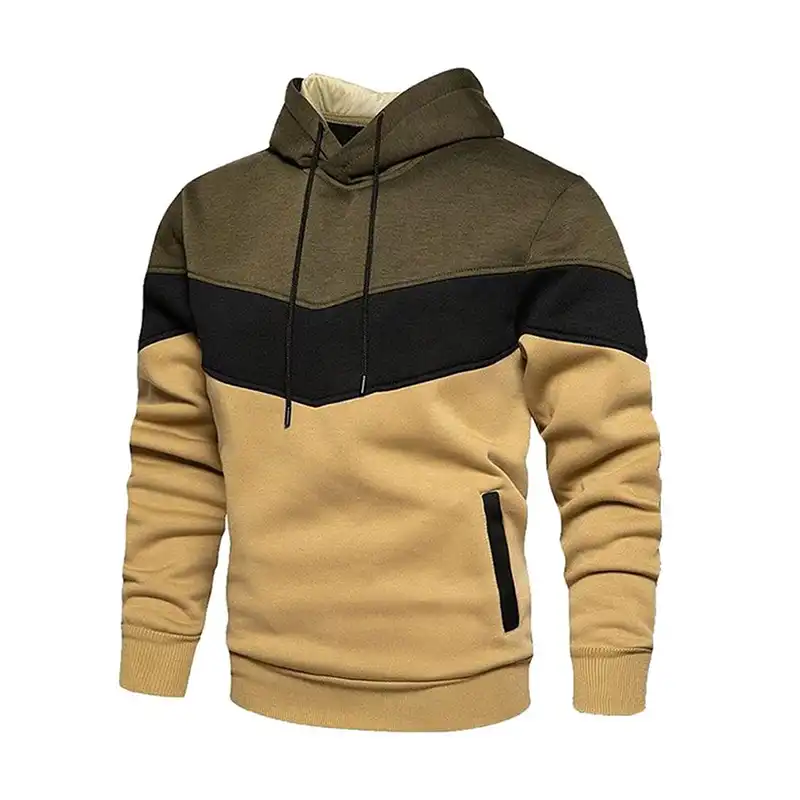
A normal Hi-Vis Hoodie has a zipper pocket, a drawstring hood, and ribbed ends. It is a pullover style. Zipper models make it easy to put on and take off, which is especially helpful for workers who go from being outside to being inside during their shifts. Some designs have extra features, like strengthened knees that last longer in rough conditions or longer back panels that cover you when you bend over. Different manufacturers put reflective tape in different places, but all compliant clothing has bands around the chest and arms. The design team at Welston uses decades of experience working with companies like Toyota and Dell to make arrangements that meet both legal standards and useful workplace needs. Our three plants and ten production lines give you many ways to customise your order, such as changing the size from S to 5XL, adding a logo, or changing a colour within an allowed fluorescent range.
Proper Care to Maintain Compliance
Following certain cleaning instructions is necessary to keep the fabric's reflective qualities and shine. Most makers say to wash reflective materials inside out, in cold water, with light soap. Bleach and fabric softeners can damage reflective materials, so don't use them. Drying things on a clothesline or in a low-heat dryer keeps the bright fabric and the glue that sticks the reflective tape together in good shape. Regular checks for tape delamination, fading, or tears make sure that obedience stays high. Best practices in the industry say that clothes should be replaced after about 25 washes, or sooner if they start to look worn out. Instead of waiting for something to break completely, procurement teams should set replacement plans based on how often it is used. Welston's after-sales team gives customers cleaning instructions that are unique to each type of product. This helps them get the most out of their clothes while still meeting safety standards.
Choosing the Right Hi-Vis Hoodie for Your Business Needs
Assessing Worksite Hazards and Requirements
A full risk assessment is the first step in choosing the right Hi-Vis Hoodie for work. Class 3 clothing is usually required at work places where traffic speeds are over 25 mph. Main uses include construction zones, places where roads need to be fixed, and warehouses where both cars and people walk around. Fabric weight and other features are affected by the temperature. For example, heavier fleece-lined options work better in colder areas, while lighter options work better in warmer countries. Tasks performed by workers are also important; teams doing physically hard work need clothes that can stretch and breathe. Companies that have more than one address may need different requirements for each one. Welston helps procurement teams match clothing specs to real danger profiles. He does this by drawing on his experience providing workwear to car repair shops, plant workshops, and building sites in North America, Europe, and the Asia-Pacific region.
Brand Comparisons and Quality Considerations
There are several well-known brands that make ANSI Class 3 coats, and each one has its own features:
- 3M goods use advanced mirrored technology and special Scotchlite materials that give off more light. Their clothes usually come with high prices, but they last a long time in hard circumstances.
- Carhartt combines the need for high visibility with their signature tough construction, which makes them appealing to businesses that value long-term reliability. Their heavyweight choices are good for working outside in cold weather.
- Portwest provides solutions that are both cost-effective and reliable, which makes them popular for people who want to buy things but don't want to sacrifice quality.
When comparing these choices to your budget, don't just look at the buy price. You should also think about the total cost of ownership. A slightly more expensive item of clothing that lasts 50% longer is a better deal than buying cheap ones over and over again. When it comes to quality, Welston is on par with expensive names and markets itself as a maker that offers direct B2B price benefits. Our ISO-certified factories use Japanese JUKI and Taiwanese SHINLING machinery to make sure that the standard of all bulk sales is the same. Our lead times range from 10 to 20 days, and the minimum order number is 100 pieces. This means that we can handle both small orders and large-scale operations.
Customization Benefits for Corporate Identity
Besides just following the rules, the option to customise makes the company look better and holds workers more accountable. Putting a logo on something through screen printing, heat transfer, or stitching makes the brand stand out without sacrificing safety. Strategic placement makes sure that logos can still be seen while keeping the bright surface areas that are needed. You can tell the difference between departments or job roles by choosing a colour from the approved bright yellow-green or orange choices. Custom size takes into account the different types of people who work there, and better fit and comfort make cooperation higher. When you buy in bulk and have the choice to customise, the cost per unit usually goes down, and supply chain management gets easier. Size, colour, style, and visual changes can be made by Welston's experienced design staff, who also make sure that all customisations stay in line with ANSI standards. Branded safety clothing that meets both visibility and business branding standards has helped our partners like Panasonic and Benz.
Practical Applications and Case Studies in Industrial Settings
Construction and Roadwork Applications
Hi-Vis Hoodies help with visibility on construction sites. Workers near moving equipment should cover their chest and sleeves, especially at dawn and dark. A Midwest paving contractor reported a 40% reduction in near-misses after workers switched from Class 2 jackets to Class 3 hoodies during changing conditions. Worker removal of uncomfortable vests was eliminated because the added warmth kept people wearing them. Sleeve reflection helps flaggers signaling with their arms outstretched direct traffic. In chilly weather, the hoodie keeps workers warm so they can focus on work rather than suffering. Nighttime projects are safer since drivers can see workers from farther away due to the larger reflecting surface area.
Logistics and Warehousing Operations
They need good sight options since forklifts move through distribution centers and freight facilities with changing lighting. Cold storage workers need protection from the cold and good vision, which causes challenges. Class 3 hoodies in chilly warehouses made operators more alert of persons strolling down the halls, according to a large third-party transportation business. The clothing' moisture-wicking properties kept the wearer warm when not moving and managed sweating during vigorous work. Warehouses benefit from good Hi-Vis Hoodies that don't catch on racks or equipment like loose coats. Soft fabric makes professional safety hoodies robust enough to wear daily while lowering the chance of getting caught. Companies can trust competent manufacturers like Welston to meet all these demands when they acquire garments.
Municipal and Utility Maintenance
Public works departments may not observe workers on busy routes with little space. In low-light areas, water utility repairs, street cleaning, and infrastructure checks are necessary. Municipal fleet managers agree Hi-Vis Hoodies are better for crew mood than vests when it's chilly. When workers wear matching, well-fitting safety gear, the public views city services better. Utility companies admire how durable decent hoodies are when workers encounter rough surfaces or plants. Visibility, comfort, and weather protection satisfy many buying goals. These uses demonstrate why many public sector organizations that prioritize safety and employee enjoyment issue Class 3 sweatshirts.
Addressing Common Misconceptions
Many purchasing managers wonder if jackets are adequate. Lower-risk places can use vests, but Class 3 settings require sleeves that cover enough of the body to display "biomotion," or how individuals move. At distances over 1,280 feet, drivers need all the visual information they can obtain to distinguish humans from static objects. People think wearing heavier garments makes them less productive, but relaxed workers focus and follow the rules better. Another misconception is that all fluorescent clothing provides the same protection, ignoring the photometric requirements that distinguish compliant materials from bright fabrics. Knowing technological differences helps buyers make informed decisions rather than guessing, which could compromise safety.
Conclusion
ANSI Class 3 Hi-Vis Hoodies are an important way to make sure that workers are safe when they are near fast-moving traffic, big equipment, or complicated work areas. Procurement professionals can make choices that protect workers and save money by understanding the specific compliance requirements, material factors, and proper selection criteria. Maximum vision, weather protection, and wearer comfort all work together to meet multiple operating goals at the same time. For B2B clients who are in charge of safety apparel programmes, the best value comes from quality makers who offer customisation options, consistent compliance paperwork, and reliable delivery schedules. As safety rules in the workplace change over time, working with experienced suppliers is the best way to make sure your company stays in line while also looking out for the well-being of workers and running efficiently.
FAQ
1. Can Class 2 Garments Substitute for Class 3 Requirements?
Compliance gaps and accountability may result from using Class 2 garments for Class 3 tasks. Class 2 uses 775 square inches of backdrop material and 201 square inches of fluorescent tape, much less than Class 3. Safety checks and regulatory inspectors will find this weakness, which could result in fines or work suspensions. The risk assessment that triggers the Class 3 requirement—usually high-speed traffic or hazardous environments—doesn't vary with clothing. The savings from buying lower-rated apparel are wasted when events occur or corporations are penalized for breaking the standards.
2. How Can I Verify Reflective Tape Compliance?
Legitimate companies provide approval paperwork for ANSI/ISEA 107 compliance. Sewn-in stickers with the rating level and standard version link. Independent testing labs like the Safety Equipment Institute can certify products. For materials that reflect light backwards and glow in the dark, request photometric test results. Welston gives material certificates and wash durability test reports with every significant transaction. We've made business uniforms for foreign clientele for 27 years, therefore our products will pass safety checks in many nations.
3. What Lead Times Should I Expect for Bulk Orders?
Orders of 50 to 200 basic stock items in popular sizes ship within 10 to 15 business days. Customized orders with specified colors, sizes, or logo placement take 20–30 days to produce, depending on complexity and quantity. Avoid expensive last-minute rush orders by planning buying cycles around these dates. When suppliers have consistent manufacturing schedules, buying teams can effectively manage stock. Welston has 10 production lines and over 580 employees, so we can handle large orders with lead times from 10 days for small amounts to approved plans for orders exceeding 500 pieces. This allows us to satisfy urgent needs and annual procurement cycles.
Partner With Welston for Your Hi-Vis Hoodie Requirements
Welston has specialized in creating and distributing safety apparel that meets all regulations to procurement workers worldwide for about 30 years. As a trusted Hi-Vis Hoodie manufacturer, your staff will be comfortable and durable in our ANSI Class 3 Hi-Vis Hoodies. Our three specialized facilities with the latest Japanese JUKI and Taiwanese SHINLING technologies ensure the quality of all our orders. Our customization options let you add corporate logos, adjust sizes, and choose fabrics that meet your demands while adhering to safety standards. When North American distributors require a steady bulk supply, European uniform providers want to be ecologically friendly, and Asia-Pacific manufacturers want economical solutions, we know their issues. Our experts respond to inquiries within 24 hours with technical specifics, compliance proof, and customized suggestions. Email Julia, our export expert, at [email protected] to discuss your Hi-Vis Hoodies for sale needs. Large orders starting at 100 pieces are affordable, and we provide multiple payment methods and speedy shipment. Visit welstongarments.com to see why Panasonic, Benz, and Toyota choose our industrial safety clothes.
References
1. American National Standards Institute. (2020). ANSI/ISEA 107-2020: American National Standard for High-Visibility Safety Apparel and Accessories. Washington, DC: ANSI Publications.
2. International Safety Equipment Association. (2019). Selection Guide for High-Visibility Safety Apparel in Roadway Work Zones. Arlington, VA: ISEA Technical Documents.
3. National Institute for Occupational Safety and Health. (2021). Effectiveness of High-Visibility Safety Apparel in Construction Work Zones. Cincinnati, OH: NIOSH Publication Series.
4. Occupational Safety and Health Administration. (2018). Best Practices for Roadway Construction Worker Safety. Washington, DC: U.S. Department of Labor.
5. European Committee for Standardization. (2013). EN ISO 20471: High Visibility Clothing - Test Methods and Requirements. Brussels, Belgium: CEN Standards.
6. Canadian Standards Association. (2019). CSA Z96-19: High-Visibility Safety Apparel. Toronto, ON: CSA Group Publications.
We specialize in designing, producing, and selling corporate clothing. Mainly produces: industrial clothing, business uniforms, and work clothes for different companies.
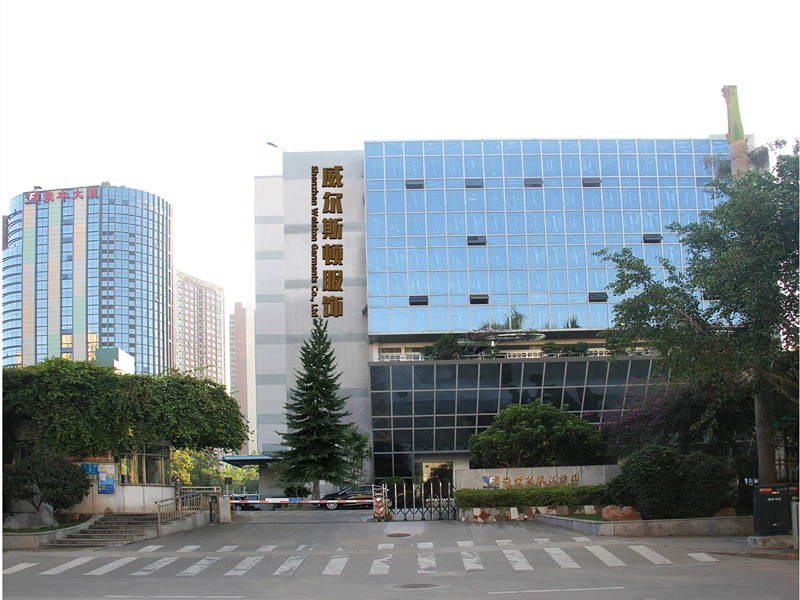
About Welston Garments