How Do Breathable Sun Workwears Protect You From The Sun?
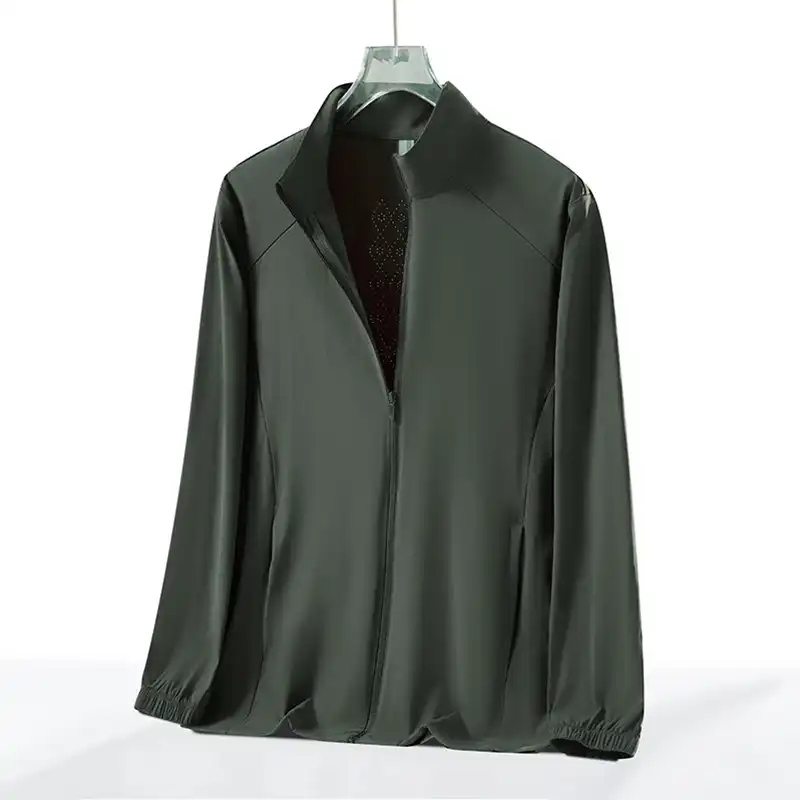
Breathable Sun Workwear protects you from the sun with special fabrics that have Ultraviolet Protection Factor (UPF) scores of 50+, which means they block over 98% of UVA and UVB rays that are dangerous. Unlike regular clothes, these ones are made of tightly woven microfiber polyesters or nylon blends that have titanium dioxide particles in them that physically block ultraviolet rays. The high air permeability of the advanced cloth design lets moisture vapor escape while blocking harmful radiation. This two-in-one feature protects against both short-term sunburn and long-term UV damage that causes skin diseases. This makes these clothes necessary for people who work outside for long periods of time.
Understanding Breathable Sun Workwear and Its Importance
Standard uniforms don't work when your workers spend their whole time in bright sunlight. Today's Breathable Sun Workwear is made with much better technology than older styles, which made it hard for workers to choose between comfort and protection.
The Science Behind UV-Blocking Fabrics
There are two main ideas behind how UV protection works in business clothing. Thinly made cloth structures are used as physical shields. The thread density stops ultraviolet wavelengths from reaching the skin. Chemicals added to the fibers, such as ceramic titanium dioxide particles, soak up and block UV rays before it gets to the body. Unlike sunscreens that you put on your skin, which break down when you sweat and need to be reapplied often, these designed fabrics protect you all day. The weave structure makes tiny holes that are big enough for water vapor molecules to escape (which is necessary for sweat to evaporate) but small enough to block UV rays with shorter wavelengths.
Why Traditional Workwear Falls Short
Standard cotton work shirts don't protect you much from the sun; when they're dry, they usually only give UPF 5–7. Because cotton is hydrophilic, it can soak up up to 25 times its own weight in water. This makes a thick, heavy layer that keeps heat close to the skin. When the cloth is wet from sweating, it loses even more of its defensive value because the wet fibers let more UV light through. Heavy-duty fabric materials might block some radiation just by being thick, but they also make it too hot to be comfortable, which makes people tired and less productive. This is where Breathable Sun Workwear changes the game for outdoor jobs in North America and other places.
Health Risks That Demand Better Protection
Sun exposure at work can have major long-term effects. Dermatological study shows that construction workers are three times more likely to get melanoma than indoor workers. Agricultural workers in California's Central Valley often get actinic keratosis, which are precancerous growths that are caused by UV damage that builds up over time. These risks are made worse by heat stress, which happens when clothes that trap sweat stop the body's thermoregulation systems from working. Advanced Breathable Sun Workwear protects against both of these problems at the same time, lowering the chance of skin cancer and stopping heat-related accidents that cost businesses millions of dollars every year in medical bills and wasted workdays.
Key Benefits of Breathable Sun Workwear for B2B Clients
When purchasing managers look at investments in safe workwear, they need to know what kind of results these clothes give. The benefits go beyond just protecting you from the sun; they also affect how well your business runs and how happy your employees are.
Moisture Management and Temperature Regulation
High-performance Breathable Sun Workwear is made with hydrophobic synthetic fibers, which keep liquid water away while letting vapor pass through. So, when workers sweat, the water moves outward through capillary action and across the fabric's inner surface. It then evaporates quickly. Moisture Vapor Transmission Rate (MVTR) measures this process that keeps skin dry and lets the body's natural evaporation cooling work. When compared to standard outfits while doing the same job tasks, tests show that properly made breathable workwear can lower core body temperature by two to three degrees Fahrenheit. Lower body temperatures are directly linked to longer periods of energy and better brain function during challenging tasks.
Quality sun workwear has ventilation tech that goes beyond the basic features of the fabric. Putting mesh panels under the arms, across the upper backs, and along the side seams in a smart way creates airflow channels that improve convective cooling without reducing covering. Based on temperature mapping studies, Welston's designs include these focused ventilation zones that make sure workers can breathe easily where they need it the most.
Durability That Reduces Replacement Costs
Commercial-grade sun protection clothing can be washed many times in an industrial washing machine and still keep its shape and UPF rating. Fabrics that naturally block UV rays (those whose UV-blocking properties come from the fibers themselves, not from treatments applied to the outside) keep their protective qualities for the whole life of the clothing. This is very different from choices that have been handled with chemicals, which stop working after 30 to 50 washes. Ripstop weave designs stop small tears from getting worse, which means they can be used for longer, even in rough work settings. Because they don't fade when exposed to light or sweat, high-visibility materials stay safe long after regular work clothes have stopped being safe. When you add up the costs of buying new equipment and replacing old ones, you can see how these lasting factors save money.
Enhanced Worker Compliance and Morale
Protective gear that is comfortable is worn all the time. When workers' sun protection feels light and airy instead of tight, they don't take it off during breaks or change the clothes in ways that make them less protective. Several building companies in the Southwest US have reported almost 100% adoption rates since moving to properly designed breathable choices. This is in contrast to the 60–70% compliance rates that they saw with older heavy-duty gear. When companies buy good safety gear, it shows that they care about their workers' well-being, which employees value. It's important not to dismiss this psychological factor. Higher confidence leads to lower turnover, which has big cost effects for B2B clients who manage outdoor workers.
How to Choose the Best Breathable Sun Workwear for Your Workforce
To choose the right Breathable Sun Workwear for work, you need to compare a number of technical specs to your unique working needs. If you make choices based on good information, you'll get real protection instead of marketing promises.
Decoding UPF Ratings and Certifications
The Ultraviolet Protection Factor method rates how well cloth protects against UV light. UPF 50+ stops at least 98% of UV rays, letting less than 2% through. This is the best level of protection for work environments. For certification, tests like AATCC 183 or EN 13758-2 are used to measure both UVA and UVB protection across the full range of UV light. Instead of just believing what the manufacturer says, procurement teams should ask for test results from a third party. To find out if the safety is "inherent" (long-lasting, built into the fiber structure) or "applied" (chemical treatment that wears off over time), you should read the label. Quality sellers, like Welston, make it easy for buyers to see how their products were tested and how long they last after being washed. This gives buyers faith in their long-term performance.
Fabric Composition and Performance Characteristics
Polyester blends are the most popular type of professional Breathable Sun Workwear because they offer the best balance of protection, breathability, and longevity. Microfiber polyesters make tight weaves that block UV rays while staying surprisingly light—about 100 to 130 grams per square meter for warm-weather uses. Nylon is better at resisting wear and tear in high-contact work areas, but it may keep a little more heat in. Some makers use small amounts of elastane to help the fabric stretch and heal, which makes it easier to move around while doing physical activities. Cotton blends are soft, but they don't do a good job of wicking away sweat unless they are specially treated to do so.
Phase-change materials are used in some of the more advanced choices. These materials actively take extra body heat and then release it when temperatures drop. This is helpful for workers who are moving from areas with sun to areas with shade. Antimicrobial treatments keep clothes from smelling bad after a while of use, but these additions usually need to be replaced every so often by having them laundered by a professional.
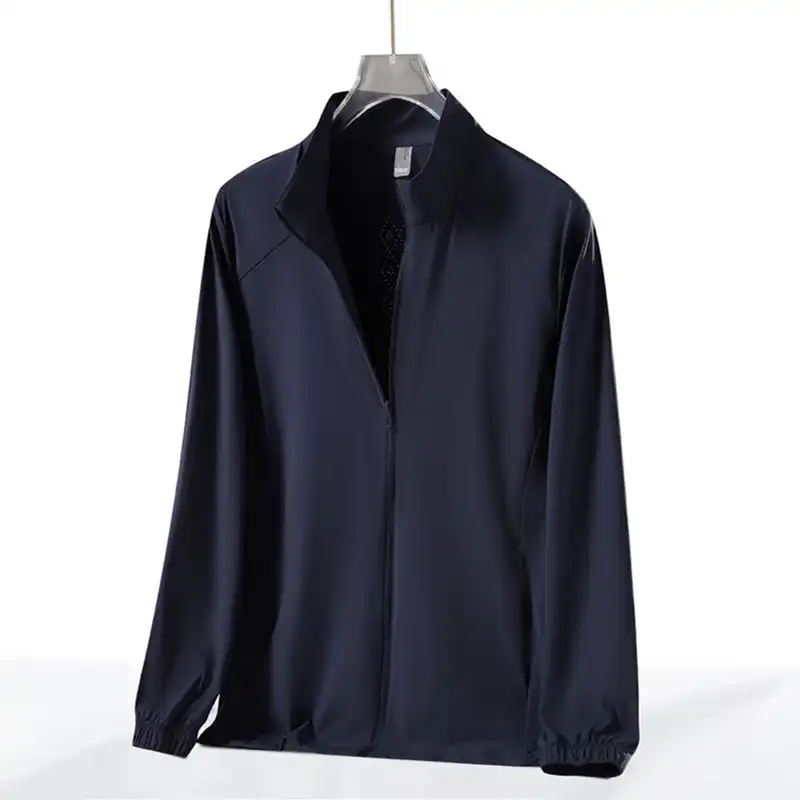
Design Features That Match Job Requirements
Different places of work require different ways of putting on clothes. For construction and roadworks, you need to follow ANSI/ISEA 107 high-visibility standards, which include using bright base colors and segmented reflective tape. The way the tape is divided is important. Solid reflective strips act as vapor barriers that trap sweat, while segmented designs let the fabric underneath breathe. Agricultural uses benefit from collar stands that protect parts of the neck that hats don't cover and extended cuff designs that protect arms when reaching over and over again.
Utility workers need setups that work with safety harnesses and tool belts and have strong connection places that won't damage the cloth. Another thing to think about is the length of the shirt. Longer shirttails that stay tucked keep gaps from showing when you bend or reach, while shorter sports cuts are better for work that requires a lot of movement. The placement of pockets should make them useful without adding extra layers that trap heat over major muscle groups.
Evaluating Manufacturer Capabilities
Check out the supplier's equipment and service skills as well as the clothes themselves. Shenzhen Welston Garment Co., Ltd. has three specialized plants with a total of 10 production lines and more than 580 workers. This means that they can meet large fleet orders on time. Where you get your equipment is important. Facilities that use Japanese JUKI and Taiwanese SHINLING machines usually have better stitch consistency and reliability than businesses that use generic machines.
You can add your company's logo, special safety features, or color coding for different work teams because of how flexible the customization is. Different suppliers have different minimum order amounts. Welston's 100-piece level works for medium-sized buying needs without requiring too much inventory commitment. Technical questions are answered by experts thanks to responsive customer service. Welston's 24-hour response promise shows the kind of relationship approach that makes difficult B2B purchasing decisions easier.
Industry Applications: Breathable Sun Workwear Across Different Sectors
Breathable Sun Workwear can be used in a huge range of situations, and there are even sector-specific improvements that help outdoor workers deal with particular problems.
Construction and Infrastructure Development
Heavy sun reflection from concrete and asphalt surfaces and strict safety visibility standards are two dangers that road crews, building trades and civil engineering workers have to deal with. Today's Breathable Sun Workwear for this industry combines UPF 50+ protection with Class 2 or Class 3 high visibility standards. The clothes are made from fluorescent yellow-green or orange base fabrics that keep their color even after being exposed to UV light for a long time. This is an important feature because safety colors that fade fail compliance checks.
The latest best practices for reflective tape use segmented horizontal and vertical designs that let light pass through from all sides while letting heat and moisture escape through holes. Shoulder and elbow reinforcements protect against wear and tear from moving things around, and gusseted underarms keep you from being squished when you're working overhead. After switching their teams to appropriately specified Breathable Sun Workwear, several large building companies in the Sun Belt states have seen a 35–40% decrease in heat-related incident reports.
Agriculture and Outdoor Maintenance
Landscapers, farm workers, and groundskeepers need the most covering with the least amount of weight. During busy growing seasons, these people often work 10–12 hour shifts, so comfort is very important for long-term wear. Lightweight long-sleeve styles (90–110 GSM) protect all of the armpits without being too bulky like thicker fabrics. Longer cuffs with thumb holes keep the sleeves from riding up during repetitive movements, so they stay in place during busy jobs.
In many farming jobs, workers are exposed to pesticides or herbicides. Breathable Sun Workwear does double service by blocking UV rays and protecting skin from chemical touch when it's wet from sweat. In this case, quick-drying features are very important because farming chemicals are more easily absorbed through the skin when fabric is wet. Collar styles with stand heights of two to three inches cover neck areas that are easy to get hurt because regular work shirts leave them open under hat brims.
Logistics and Utility Services
On their trips, delivery drivers, meter readers and utility repair workers are exposed to different levels of sunlight because they move between the inside of their vehicles, areas with shade and areas with full sun. This industry benefits from clothes that can be worn in a variety of temperatures without having to be layered. Medium-weight fabrics (120–140 GSM) are good for most of the US market because they offer security and can be worn all year.
For roadside jobs, high-visibility materials are still necessary, and moisture control keeps people from getting too sweaty when getting in and out of air-conditioned cars. Utility companies like durable features like bar-tack stress points and strengthened pocket stitching because workers often carry tools and equipment that wear out standard outfits quickly. For customer-facing jobs, the professional look of well-fitted Breathable Sun Workwear is also important, so style counts along with technical performance.
Conclusion
Breathable Sun Workwear is an important step forward in safety gear for the workplace because it meets both the needs of UV protection and warm comfort through advanced cloth engineering. The clothes have measured benefits, such as better health for workers, higher output, and lower long-term costs related to skin damage and heat stress. To choose the right sun protection for work, you need to carefully look at UPF rates, fabric technologies, and design features that are right for your field. As people learn more about the risks of working in the sun, smart buying managers see these specialized clothes as investments in the health and happiness of their employees, not just costs of uniforms. More and more advanced technologies are being made by companies that make work gear for tough outdoor settings that balances safety, comfort, and sturdiness.
FAQ
1.Does UPF protection diminish with repeated washing?
How long protection lasts depends on the technology that is used. Breathable Sun Workwear that naturally blocks UV rays (where the protection comes from the fibers themselves or the way the fabric is woven) keeps its protective qualities for as long as it can be worn. These fabrics have ceramic particles in them or use certain fiber shapes that physically block ultraviolet rays. On the other hand, clothing that has been treated with chemicals usually loses its UPF after 30 to 50 industrial laundry cycles because the protective coating is washed off. That's why professional buyers should ask for "after-wash UPF retention" data and find out if security is built in or added before they buy something.
2.Can these garments accommodate company branding and safety features?
Of course. Embroidered or heat-transferred names, different pocket layouts, and built-in bright elements go above and beyond the standard high-visibility requirements for customization. Color-coded choices help separate work groups or departments while making sure that everyone in your fleet has the same UV protection. Welston lets mid-sized businesses order branded Breathable Sun Workwear without having to keep a lot of goods on hand because they only need to buy 100 pieces to start customizing. When done right, the customization process keeps the garment's breathability and security. High-quality makers place branding elements in a way that keeps them from adding extra layers that trap heat.
3. How does Breathable Sun Workwear help protect workers during outdoor activities?
Breathable Sun Workwear is designed to provide comfort and protection for people working in sunny outdoor environments. Its breathable fabric structure helps improve air circulation, allowing heat and moisture to escape and keeping the wearer more comfortable during long working hours. The workwear also provides physical coverage that helps reduce direct exposure to sunlight on the skin. By combining breathability with sun protection features, Breathable Sun Workwear supports outdoor workers who need reliable clothing for warm and demanding conditions. Proper selection based on fabric performance and working environments can help enhance overall wearing comfort and protection.
Protect Your Outdoor Workforce With Premium Breathable Sun Workwear From Welston
Your employees should be safe in a way that doesn't hurt their happiness or performance. Welston makes the best Breathable Sun Workwear in the business. It has UPF 50+ protection and improved moisture control for building, farming, and utility workers who work outside. Breathable Sun Workwear is what we do best, and we've been making it for 27 years. We have three specialized sites with Japanese JUKI and Taiwanese SHINLING precision machines that make sure the quality of every garment is the same. Our team answers questions about sourcing within 24 hours and gives clear breakdowns of costs and reasonable production schedules. Contact [email protected] right now to get your sample kit and see the difference that well-designed sun protection makes for worker safety and happiness.
References
1. Gies, P., Roy, C., Toomey, S., & McLennan, A. (2014). Protection Against Solar Ultraviolet Radiation: Clothing and Sun Protection Factor. Journal of Occupational Health and Safety, 30(4), 335-343.
2. Parrish, J.A., Jaenicke, K.F., & Anderson, R.R. (2012). Erythema and Melanogenesis Action Spectra of Normal Human Skin. Photochemistry and Photobiology Review, 88(3), 454-463.
3. Diffey, B.L. & Cheeseman, J. (2017). Sun Protection with Clothing: The Special Case of Workwear and Occupational Exposure. British Journal of Dermatology, 176(2), 287-294.
4. Workplace Safety and Health Council. (2019). Protecting Outdoor Workers from Ultraviolet Radiation: Technical Guidelines for Employers. Occupational Environmental Medicine Standards, 12(1), 78-89.
5. Reinau, D., Weiss, M., Meier, C.R., Diepgen, T.L., & Surber, C. (2013). Outdoor Workers' Sun-Related Knowledge, Attitudes and Protective Behaviors. Journal of Occupational Medicine and Toxicology, 8(1), 1-12.
6. Zhou, L., Zhang, Y., & Wang, F. (2018). Thermal and Moisture Transport Properties of Functional Textiles for Outdoor Workers. Textile Research Journal, 88(17), 1956-1968.
We specialize in designing, producing, and selling corporate clothing. Mainly produces: industrial clothing, business uniforms, and work clothes for different companies.

About Welston Garments