Why Polo Shirts Are the Best Choice for Custom Team Uniforms
Custom polo shirts are always the best choice when you need to make sure that everyone in your company wears the same thing and still looks professional. Team Polo options are great for business buyers, hospitality managers, and event planners because they are comfortable, practical, and make it easy to show off your brand. Instead of being too formal or too relaxed, polo shirts are a good middle ground that can be worn in a variety of work settings, from air-conditioned meeting rooms in Manhattan to outdoor promotional events in Phoenix. Their structured collar and buttoned placket make them look professional without losing breathability. This means they can be worn in a variety of conditions and seasons. Because you can add logos, colour schemes, and useful fabrics to these clothes, they go from being simple clothes to strong tools for building brand identity and teamwork.
Understanding Team Polo Shirts: Key Features and Benefits
What Defines a Professional Team Polo
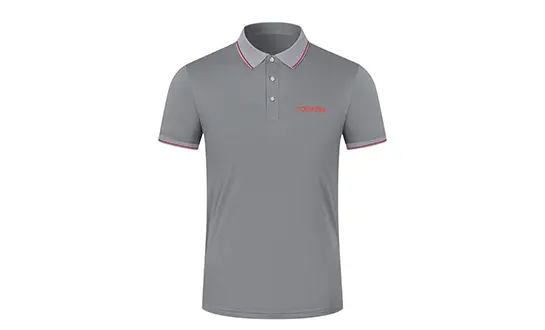
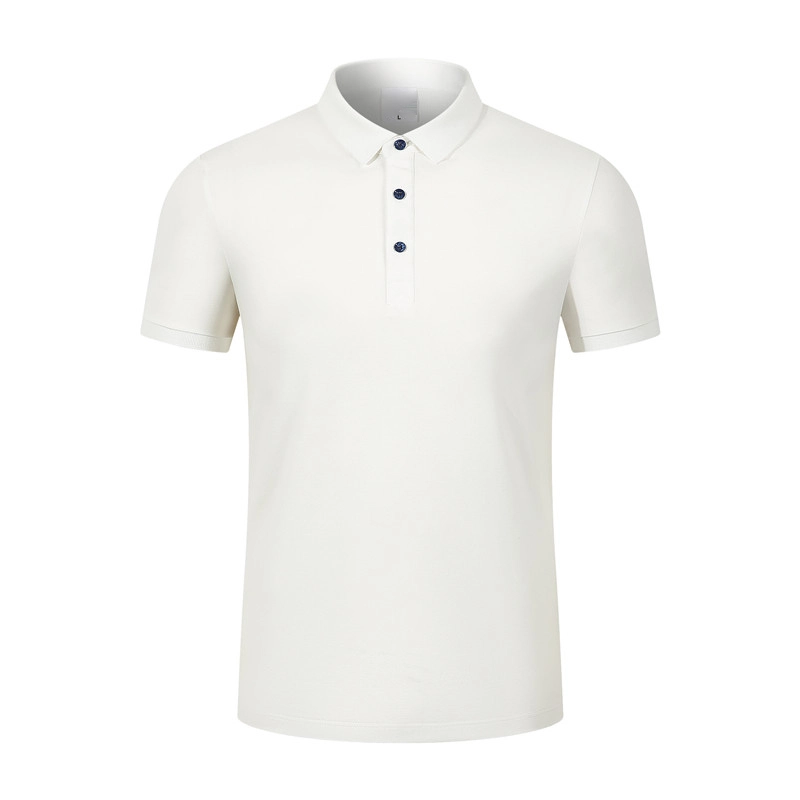
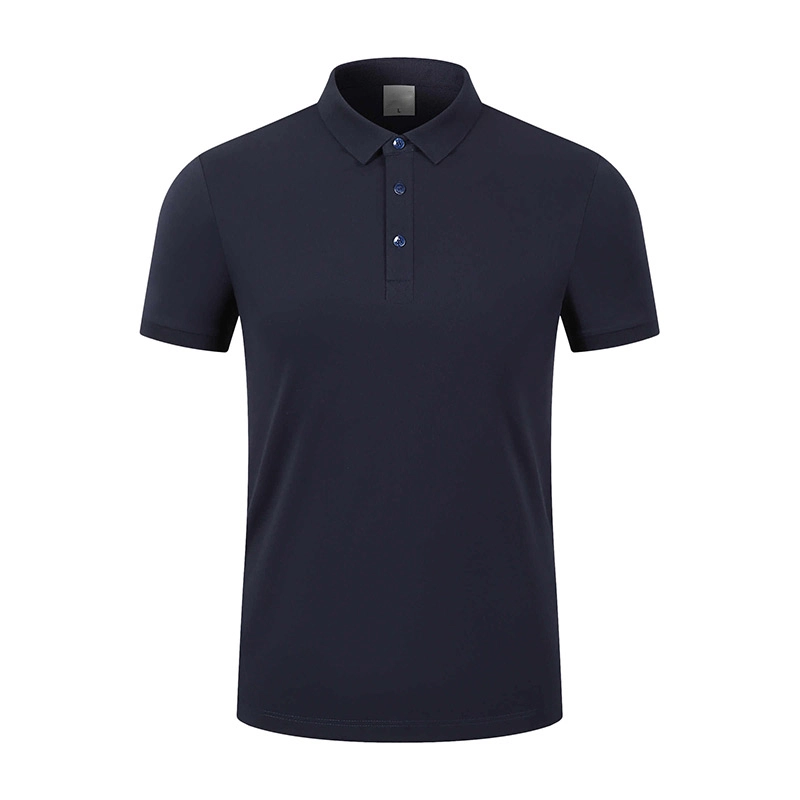
An expert Team Polo is more than just a regular polo shirt you might buy at a store. The defining features include a soft collar that doesn't curl, an adjustable buttoned placket, and sleeve lengths that can be chosen to suit both short and long tastes. Team-focused polo shirts make sure that the colours stay the same across production runs so that everyone in your company looks the same. At Welston, our skilled designers make these clothes with durable fabrics that keep their crisp look even after being washed many times in industrial washers. This is an important factor to consider for uniforms for hotel staff that are washed in commercial washers several times a week.
Material Composition and Performance Metrics
How well a shirt works in real life depends on how the fabric is constructed. Cotton mixes that are breathable usually have between 200 and 220 GSM (grams per square metre), which means they are strong but still let air flow. Polyester versions between 140 and 160 GSM are great at managing moisture because they use capillary action to move sweat away from the skin. Our production method uses honeycomb knit structures that make the most of the surface area for evaporation. This keeps workers comfortable during long shifts. These performance fabrics meet Grade 4-5 colourfastness standards, which means that corporate colours will stay bright even after being in the sun, being washed, and sweating. This is important when your uniform represents your brand in customer-facing settings across North America and Europe.
Functional Benefits for Different Work Environments
Team Polos are very good at adapting to different situations. UPF 40+ fabrics are good for corporate tech companies because they protect workers when they're doing team-building activities outside or commuting to and from campus. The business-casual style keeps things appropriate for the office. Ribbed cuffs keep arms from dragging into workshops while food is being served, which is helpful in hospitality settings. The ability to wick away wetness is very important in warm climates like those in the Asia-Pacific and Middle East markets, where staff comfort has a direct effect on service quality. Promotional companies like lightweight cotton choices that keep people comfy during long outdoor events. This keeps people from getting too hot and increases brand exposure through custom-printed or embroidered logos.
Customization Options: How to Tailor Polo Shirts for Your Team
Branding Techniques: Embroidery vs. Printing
Choosing the right way to brand your handmade Team Polo has a big effect on how it looks and how long it lasts. Stitching names into embroidery makes it last a very long time; they can handle hundreds of washings without fading. This method works great on rigid fabrics and gives them a high-end, three-dimensional look that tells clients and customers that the fabric is of good quality. To keep the embroidery from puckering, high-stitch-count embroidery needs to be done on carefully chosen fabrics. At Welston, we use stabilising techniques and the right backing to make sure that the logos look good on both the chest and the sleeves.
It's cheaper to print in big quantities with screen printing, and the colours look great in a wider range of designs. Silicon seal applications make images that are smooth and bendable while keeping the fabric's ability to breathe. This is especially helpful for performance polyester blends. Heat transfer methods work well for intricate, multicoloured designs, but they need special care instructions to keep the graphics looking good. Our customisation experts help procurement managers think through these technical issues, matching goals for style with price limits and the length of time the garment is expected to last.
Color Matching and Sizing Strategies
Lab-controlled dye methods are needed to make sure that colours are exactly the same across different production runs. We use spectrophotometric tests to make sure that Delta E values stay below 1.0. This means that the visual quality will be the same whether you order 50 units today or 500 units in six months. This level of technical accuracy is very important when your brand's reputation rests on people being able to recognise a certain colour. For example, think about how easy it is for people to remember certain corporate blues or hospitality industry maroons.
Size is another important aspect of customisation. Our size range goes from S to 5XL, so we can fit a wide range of team members without sacrificing fit quality. To make sure you're comfortable and able to move around easily, get accurate measures of your chest at its widest point, your shoulders across your back, and your length just below your waist. These rules stop common problems like shoulders that are too tight or too much fabric that looks messy. We stick to industry size standards that are based on full body measurements instead of vanity sizes. This way, you can be sure that everyone in your company gets outfits that fit well, look good, and are comfortable to wear all day.
Comparing Team Polo Shirts: How to Choose the Best for Your Procurement Needs
Fabric Performance: Climate and Activity Considerations
Understanding how fabrics behave in different situations is what makes uniform programs work and ones that don't. Cotton-rich mixes work well in mild climates because they naturally breathe and have a soft feel that many people like. The material quickly soaks up wetness, which is fine for work done inside where the temperature is controlled but not so great for settings with a lot of moisture or a lot of physical activity. Polyester-dominant fabrics have the opposite effect—their hydrophobic qualities keep moisture away, sending sweat to the outside, where it evaporates quickly. Because of this, synthetic mixes are better options for outdoor teams working in warm places or for service staff with physically demanding jobs.
Two different styles of polo shirts can be made by us: ones with short sleeves and ones with long sleeves. Short sleeves usually end at the elbow, which lets you move your arms freely and keeps you as cool as possible. This makes them perfect for warehouses, summer outdoor events, or places that don't have constant air conditioning. Long-sleeved versions offer more coverage, which boosts trust in professional settings and protects workers from the sun when they're outside. Long sleeves are useful because they can be worn with a lot of different things. This is especially true in places like Europe and North America where weather changes require flexible uniforms. The professional collar and buttoned placket that mark the polo style are present in both types.
Durability Factors and Maintenance Requirements
Industrial laundry is rougher on uniforms than home laundry. It uses higher temperatures, stronger detergents, and industrial dryer heat that can quickly wear down less-than-sturdy materials. Team Polo shirts made for business use have a number of safety features, including strengthened seams that stop stress points, pre-shrunk fabrics with dimensional stability that only shrink by 3-5%, and anti-pilling treatments that keep the surface smooth even when they are subjected to contact. These technical specs directly affect the total cost of ownership. Buying high-quality clothes at the start will save you a lot of money in the long run because you won't have to replace them as often.
Care directions are very important for making clothes last longer. Our team gives thorough care instructions that protect both the integrity of the cloth and the branding elements. Embroidered names can usually handle regular washing without any extra care, but printed drawings might need to be washed inside out or dried in the air to last as long as possible. Our polo materials are easy to clean and won't show most spots, but it's always best to clean up spills right away. Hospitality clients really like it when fabrics are treated with chemicals that make stains disappear. These chemicals keep oil and food-based substances that staff deal with every day at bay.
Top Brands and Suppliers: Trusted Names for B2B Team Polo Shirt Procurement
Evaluating Supplier Capabilities and Reliability
Big sports names like Nike, Adidas, and Under Armour are well known to consumers, and they've now expanded their knowledge to the B2B team uniform market. There are advanced customisation tools and well-established quality control systems available from these companies. Their well-known brand can make them seem more professional, but the higher prices that come with that reputation are common. Purchasing managers have to decide if the prestige of the brand is worth the higher prices compared to makers of specialised clothing.
Welston takes a different method. Since 1998, our focus on business uniforms and workwear has helped us better understand what institutional buyers need. Our three factories and ten production lines give us the ability to change our capacity to both small test orders and large-scale operations. Precision building is made possible by high-tech tools from Japan's JUKI and Taiwan's SHINLING, and a large collection allows for quick delivery times that are needed in urgent procurement situations. Our position in markets around the world, including Europe, North America, the Middle East, Japan, and South Korea, shows that we can handle different cultural norms and legal requirements.
Partnership Considerations Beyond Initial Purchase
Supplier ties that work well last a long time after the first exchange. After-sales help is very important when there are problems with the size, when more team members need matching outfits months after the first orders, or when there are quality issues. Our customer service method keeps in touch with customers throughout the shipping process and handles problems as soon as they are identified. Because they are quick, small problems don't get worse and hurt team mood or the way the brand looks.
Structures for setting prices should be carefully studied. Volume savings usually start at 50 units and get a lot bigger when you reach 200 units or more. The cost depends on how complicated the customisation is. For example, simple stitching in one spot costs a lot less than full-chest prints with many colours. Lead times depend on how customised the items need to be and how quickly they need to be made. Usually, it takes between two and three weeks for stock items with simple marking to six to eight weeks for fully customised programs with specific fabric needs. Clear communication about these dates helps procurement teams plan uniform rollouts that work with company schedules, such as hiring during the off-season or rebranding projects.
How to Purchase Custom Team Polo Shirts: A B2B Procurement Guide
Step-by-Step Ordering Process
Getting custom Team Polo shirts quickly and easily is done by following an organised path that cuts down on mistakes and guarantees customer happiness. The first step is to do study on the current market choices, new fabric technologies, and design trends that could make your uniform program better. Our team shares market information about new building materials, methods, and popular tools choices that might work well for your project.
The next step is to talk about the design. We show our customers our newest designs and ask them to share ideas, brand guidelines, and useful needs. This way of working together makes sure that the end result matches your vision while also using our technical knowledge to show what works best in real life. After the design is approved, samples are made so that people can see and feel how the fabric feels, how accurately the colours are reproduced, and how well the branding is done. Before committing to full production runs, we recommend trying samples in different washing processes and work environments.
Once the sample has been confirmed and all the details are as expected, the official order is placed. In our production approach, we need a 30% deposit before we can start making things. This lets us buy the materials we need and plan our production capacity. This financial system makes sure that both the buyer and the producer are committed while also distributing risk in the right way. Strict quality control rules are followed during production, and finished goods are inspected before the final 70% payment is due. Shipping plans are made based on what you want, whether that's consolidated goods for big sales or fast courier service for pressing needs.
Maximizing Value Through Strategic Procurement
Smart buying managers know that the lowest starting cost doesn't always mean the best overall value. To figure out the total lifecycle cost, you have to think about how often the outfits need to be replaced, how often they need to be maintained, and how well they keep their look over time. Team Polo shirts of higher quality may cost 15 to 20 percent more at first, but they will last twice as long, making them a better deal. The professional look they keep for a long time protects the brand's name in a way that cheaper choices that break down can't.
Making order minimums and payment terms more flexible can make buying processes a lot easier. Some sellers have minimum orders of 100 or more units, which can be hard for smaller businesses or pilot projects. Our method works for orders of different sizes because we know that trying smaller amounts before committing to full staff rollouts lowers risk. Flexible payment plans help keep cash flow under control, which is especially important for holiday businesses or groups that have to stick to strict fiscal year budgets.
Conclusion
Custom Team Polo shirts are the most flexible way to make a team uniform because they look professional and are comfortable to wear in a variety of work settings. Being able to customise these clothes by choosing the right fabric, getting the right size, and adding your own logo makes the team look like a unit while still meeting the performance needs of different situations. If you choose the right Team Polo choices, they will make you and your business look better, whether you're dressing corporate workers in climate-controlled offices, hospitality staff in high-activity service roles, or promotional teams at outdoor events. When you buy something strategically, you should think about the total lifecycle value instead of just the original cost. This will save you money and protect your brand's image by giving you long-lasting, professional uniforms.
FAQ
1.How do I prevent collar curling on team polo shirts after washing?
What can I do to keep my Team Polo shirts' collars from rolling up after cleaning them? When collar stitching and body cloth shrink at different rates, the collar usually curls. Ask for flat-knit collars with stretch built in, or ask that stabilising tape be added during production. Pre-shrunk fabrics also make this problem less likely. Dimensional stability is tested as part of our quality control process to make sure that collars keep their professional shape even after being washed many times.
2.What decoration method works best for moisture-wicking performance fabrics?
Which way of decorating works best for performance fabrics that wick away moisture? Heavy stitching can poke holes in technical fabrics and cause puckering, which makes it harder for the fabric to keep wetness away. Silicone heat transfer or dye sublimation keeps the fabric's ability to stretch and breathe while giving it long-lasting branding. We help our customers find ways to decorate their performance fabrics that don't change their useful properties, which makes them great for active work settings.
3.Can we order matching colors across men's and women's cuts?
Yes, this is a standard requirement for Team Polo programs. Fabric for both male and female designs must be lab-dipped and dyed in the same production vessel. This makes sure that the Pantone colour is reproduced exactly the same across all partner styles, so the look stays the same even if the cuts are different.
Partner With Welston for Your Team Polo Uniform Needs
Welston has been making Team Polo shirts for over 20 years and serves the business, catering, and promotional markets around the world. Our all-inclusive method combines advanced manufacturing skills with adaptable customisation choices that meet the exact needs of your uniform. Our production facilities provide consistent quality across all order sizes, from small pilot programs to large-scale enterprise deployments. This is true whether you need Cool Dry performance fabrics with UPF protection for outdoor teams, durable polyester blends for high-frequency laundering in hospitality settings, or cost-effective cotton options for high-volume promotional events.
Our streamlined buying method gets rid of common sourcing problems like unclear price, inaccurate lead time estimates, and slow communication during production and shipping. Email our team at [email protected] to talk about your Team Polo source needs and get personalised suggestions based on our 27 years of experience making uniforms.
References
1. Anderson, M. (2021). Corporate Uniform Programs: Strategic Approaches to Brand Identity Through Apparel. Business Press International.
2. Chen, L. & Rodriguez, P. (2022). Technical Textiles in Professional Workwear: Performance Fabrics and Functional Design. Textile Research Journal, Volume 48.
3. Harrison, J. (2020). B2B Procurement Strategies for Hospitality Industry Uniforms. Service Industry Publications.
4. Mitchell, S. (2023). Sustainable Practices in Corporate Apparel Manufacturing. Global Supply Chain Quarterly.
5. Thompson, R. (2022). Customization Technologies in Team Uniform Production: From Embroidery to Digital Printing. Apparel Manufacturing Review.
6. Williams, K. (2021). Fabric Performance Standards for Commercial Laundering Environments. Industrial Textile Association Technical Report.
We specialize in designing, producing, and selling corporate clothing. Mainly produces: industrial clothing, business uniforms, and work clothes for different companies.

About Welston Garments