How to Choose Polyester Trousers for Outdoor Activities
Polyester trousers are great for outdoor work because they wick away sweat, dry quickly, and don't wear down easily. These are all qualities that are needed for hiking, camping, and light building. As a B2B procurement worker, you need to know how fabric technology, useful design, and supplier stability all work together. This will help you make smart choices about bulk purchases that will keep end users happy and keep costs low across all of North America's markets.
Introduction
In the last ten years, synthetic fabrics have changed how people buy outdoor workwear. Polyester trousers are now the most popular choice for business uniform providers and logistics companies across the United States. This is because they solve three major problems that buyers have: the cost of upkeep, the length of time the product lasts, and the uniformity of performance. In contrast to cotton workwear that needs to be replaced often because it shrinks and fades, modern polyester trousers keep their shape through industrial laundering cycles, which lowers the total cost of ownership by 30 to 40 percent over three years.
The market for outdoor clothing has grown a lot, and more and more B2B buyers in North America are looking for technical fabrics that can handle the stress of the outdoors without sacrificing comfort. In order to meet this need, polyester trousers are made with designed polymer structures that are hydrophobic and durable. To get the best value, procurement managers must look at fabric specifications, functional features, and manufacturing partnerships when outfitting trail maintenance crews, outdoor event staff, or light construction teams.
This complete guide will help you find the proper materials, ensure the design satisfies particular criteria, and assess suppliers in a way that makes sense for business to business purchasing. We’re here to provide helpful tips on how to make bulk shopping easier and to ensure your workers can rely on suitable work attire for the outdoors.
Understanding the Core Requirements for Outdoor Polyester Trousers
Working outside comes with its own problems that affect how well clothes work and how much work gets done. Changes in temperature, rain that comes out of nowhere, and physical wear and tear from tools or the ground are all things that test cloth resilience. Traditional cotton trousers soak up water and take a long time to dry, which can be uncomfortable for long shifts outside. These problems are solved by the inherent properties of polyester trousers, which are engineered at the fiber level.
Moisture Management and Quick-Drying Performance
Polyester fibres are hydrophobic, and will only absorb roughly 0.4% of their weight back in. This keeps them from absorbing water which can lead to weight gain and heat ache. When outdoor workers get wet from rain or perspiration, polyester pants employ capillary action to move the moisture to the surface of the cloth, where it dissipates fast. It dries fast, helping to keep the body temperature up, which makes it simpler to accomplish physically demanding things like clearing trails or putting up outdoor gear.
Durability Through Environmental Stress
The molecular structure of polyester gives it a tensile strength of 5 to 7 grams per denier, which is much higher than the abrasion resistance of natural fibers. This means that clothes will last longer when worn outside and often come into contact with rough surfaces. High-density weave designs make fabrics even more durable, and twill and ripstop constructions are the best at stopping tears. We've heard from procurement managers that when outdoor teams switch from cotton to polyester workwear, they need to change their clothes 40–50% more often.
Breathability Considerations for Extended Wear
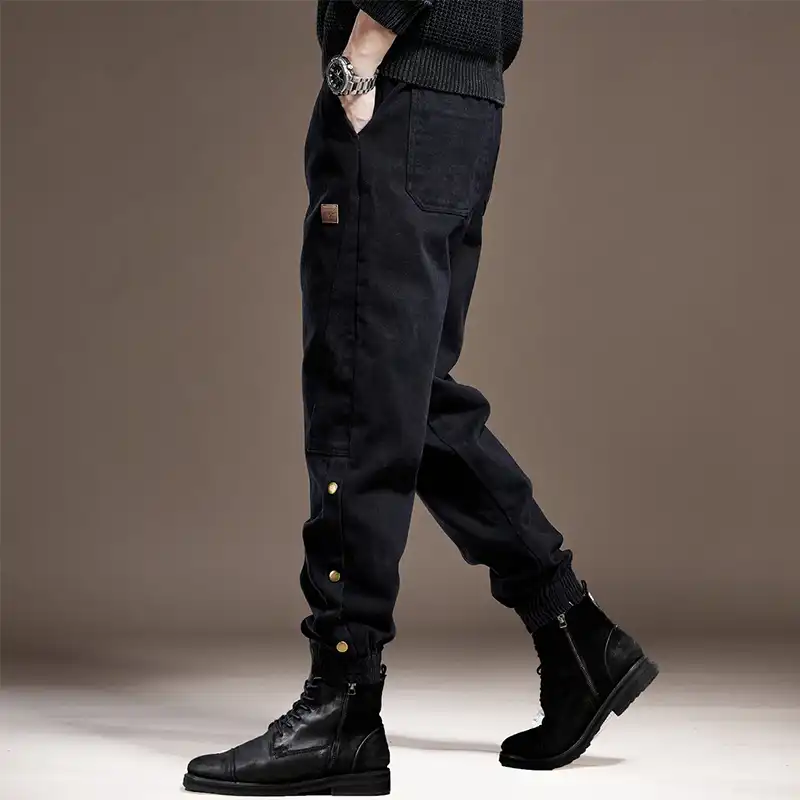
Polyester trousers used to be less breathable than trousers made of natural fibers, but new methods of production have significantly reduced this difference. Profiled fiber cross-sections make tiny air openings inside the cloth, which improves airflow without weakening the structure. Modern polyester trousers are suitable for moderate-intensity outdoor work in all kinds of weather in the United States thanks to moisture-wicking finishes that are applied during production.
These core performance factors have a direct effect on your purchasing choices, especially when you're weighing the original cost of the purchase against the long-term costs of replacement and measures of worker happiness. Product specifications can be better aligned with operational requirements by knowing how polyester trousers perform in actual outdoor conditions.
Core Selection Criteria for Polyester Trousers in Outdoor Settings
To buy in bulk successfully, you need to evaluate performance in a planned way across a number of different areas. We suggest a method based on criteria that fits fabric details and design features to specific outdoor job tasks. This will make sure that the best value is delivered.
Defining Your Activity Profile and User Requirements
Begin with classifying outdoor work levels of energy. For mild recreation like park maintenance, or an outdoor hospitality work where you need to be comfortable and look decent, ordinary polyester mixes are adequate. Moderate-intensity occupations such as creating trails, gardening or arranging for outdoor events require characteristics such as reinforced seams and thicker materials so that they can endure longer. Polyester, for instance, isn’t the best fabric for heavy-duty jobs such as work on utilities or in woods, and may require special fabric treatments.
Knowing the numbers of your staff can also help you make choices. Teams working in wet areas need clothes that can wick away as much moisture as possible, while teams working in dry areas focus on UV protection and keeping the body at the right temperature. Geographical factors in different North American markets, such as the wet Pacific Northwest and the hot Southwest, have a direct effect on the cloth specification needs.
Evaluating Fabric Weight and Construction Quality
The weight of the fabric (measured in grams per square metre (GSM)) will tell you how long it will endure and what seasons it will be best paired with. The best summer outdoor activity trousers are lightweight polyester trousers 180 to 220 GSM that let you move without overheating. A medium weight, 220 to 280 GSM, is suitable for most outdoor work throughout the year in warm zones. Heavy fabrics (above 280 GSM) are appropriate for cold conditions, but it might make it harder to breathe when exercising.
Techniques for reinforcing seams show how well a building was built. Seams that are double-stitched or flat-felled don't tear when they're under a lot of stress, especially in high-tension areas like the crotch and knee joints. Bar-tack stitching is used at stress points by good manufacturers. This makes clothes last 30–40% longer than with standard construction methods. When looking at samples, check the strength and consistency of the seams. These are the details that separate trusted providers from cheap options that end up costing more to repair.
Assessing Supplier Capabilities and Compliance Standards
Beyond product specs, business-to-business procurement includes checking the reliability of production and compliance. For markets in North America, providers should show that they follow safety rules and quality approvals. ANSI grades are only for high-visibility and protective workwear. On the other hand, ISO 9001 quality management approval shows that general outdoor clothing is made in a uniform way.
Production wait times have a direct effect on managing supplies and getting ready for the season. Custom orders from well-known manufacturers usually take 45 to 60 days, and the lowest number of items needed for basic customization is around 100. Welston has three factories, and their specific production lines help them turn orders around faster. This lets them meet urgent purchasing needs while still keeping quality standards. We've kept working together with big companies like Panasonic and Toyota, which shows that we can meet tough B2B needs in the transportation, building, and outdoor work industries.
These evaluation criteria make it easy to compare supplier proposals and product specifications. This way, you can be sure that your buying decisions meet both short-term operational needs and long-term value goals.
Comparing Polyester Trousers with Alternative Fabrics for Outdoor Use
The choice of material has a big effect on both the cost of purchase and the happiness of end users. Knowing how polyester trousers stack up against other fabrics can help you make the best choices for a variety of outdoor work situations.
Polyester Versus Cotton for Outdoor Performance
Cotton continues to be a favourite for work attire as it breathes naturally and feels wonderful to the touch. But applications utilised outside demonstrate significant limits. Cotton absorbs as much as 25 times its weight in water which can be unpleasant in the rain or during strenuous exercise. It takes ages to dry and can chafe and problematise maintaining the appropriate temperature on lengthy shifts. Cotton also wrinkles quickly and has to be ironed constantly to maintain a professional appearance, adding a lot of labour and cost to large uniform programs.
Because they have thermoplastic memory, polyester trousers don't need to be ironed and keep their wrinkles even after being washed many times. Because they dry quickly, clothes worn in the rain in the morning are comfortable within 30 to 40 minutes, so workers can stay productive all day. Also, it keeps its color much better than cotton, with disperse dyes reaching Grade 4-5 colorfastness against UV light and commercial cleaning. All of these things work together to cut total ownership costs by about 35% over the three-year deployment periods that are common for outdoor workers.
Nylon Alternatives and Performance Trade-offs
Nylon is as strong or stronger than polyester and it doesn’t break down quickly, so it may be utilised for huge jobs in the outdoors. In contrast, nylon absorbs more water than polyester (4% vs. 0.4%) making it less quick-drying. Polyester is also a better choice price-wise than nylon; the raw ingredients are typically 15-20% less expensive for the same quality. B2B buyers who are cost-conscious and conduct moderate quantities of outdoor labour get greater value for money with polyester trousers.
Strategic Advantages of Polyester Blend Fabrics
Pure polyester can be a little challenging to deal with at times since it adheres to objects and isn’t always the most comfy. Such difficulties may be corrected with mixed textiles, which yet retain the advantages of synthetics. Hybrid performance fabrics: Poly-cotton blends 65% polyester/35% cotton. The polyester makes the fabric sturdy and simple to clean, while the cotton makes it soft and excellent at airflow. These TC (Terylene-Cotton) mixes are good for outdoor hospitality professions or corporate dress programs where comfort and style have to be balanced with long-lasting necessities.
When compared to pure polyester, poly-viscose blends have better drape and less tendency to pill, making them good for outdoor jobs that need more refined looks. We make different blend amounts to meet the needs of each client. Customization is possible with sales of at least 100 pieces. By knowing about these different types of materials, procurement managers can divide product specifications into groups for different types of outdoor work. This helps improve both performance and cost-effectiveness.
Styling and Functional Features to Consider When Choosing Outdoor Polyester Trousers
Aside from the choice of fabric, style aspects also have a direct effect on the user experience and the efficiency of operations. Practical outdoor workwear that boosts output and worker happiness is made possible by functional features on basic polyester trousers.
Essential Pocket Configurations and Storage Solutions
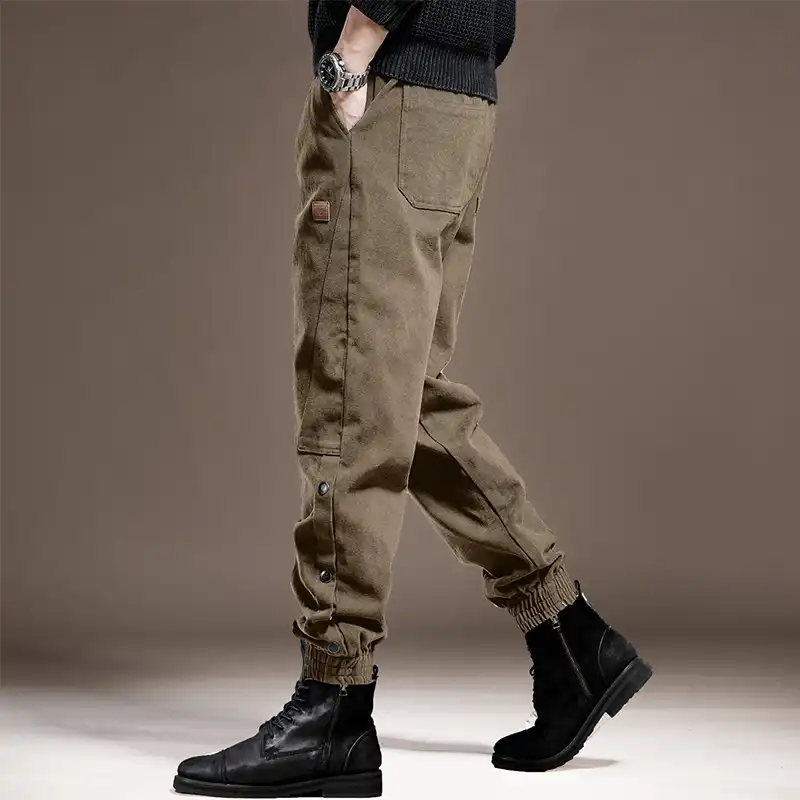
Effective pocket design improves outdoor work efficiency by providing secure and accessible storage. Cargo pockets offer space for tools and safety equipment, while reinforced construction prevents tearing under heavy loads. Side and back pockets should provide sufficient depth, protection, and comfort. Custom layouts with pen slots, loops, and compartments match practical workplace needs.
Adjustable Fit Systems for Diverse Body Types
Outdoor workers have a range of body sizes, so they need flexible sizing options. Adjustable belt systems with elastic strips or side tabs can fit waist sizes that vary by 5 to 8 centimeters, making clothes more useful for people whose weight changes often because of physically demanding jobs. This gives procurement managers more control over their inventory by letting them combine sizes in ways that make handling easier and lower the cost of moving goods.
The articulated knee design makes it easier to move when crouching or kneeling, which is common when doing maintenance work outside. Pre-shaped knee panels keep the fabric from bunching up, which makes it more comfortable to sit or lie down for long periods of time. Some styles of polyester trousers have knee pad pocket systems that let you put in safe padding for jobs that require long periods of ground contact. These features directly address user worries about comfort, which increases the rate of adoption when workers switch to new clothing programs.
Reinforcement Zones for Extended Durability
Areas that get a lot of use, like the knees, seat, and cuff hems, benefit from strengthened construction, which makes clothes last longer. Double-layer cloth pieces or extra stitching at stress points keep things from breaking too soon, which means they don't need to be replaced as often. Adding bartack support at seam crossings and pocket corners spreads stress over larger areas, stopping tears from spreading from damaged spots.
Compared to natural fiber options, maintaining polyester trousers takes little work. Fabrics stay strong and colors stay bright when washed in a machine at temperatures below 60°C, and most builds can handle tumble drying on low settings. Avoiding too much heat when washing clothes keeps the fibers from getting damaged and the sizes from changing. We suggest setting up simple care instructions that are communicated during uniform distribution. This way, you can be sure that end users know how to properly maintain products so that they last as long as possible and still look good.
Making the Purchase: Where and How to Procure Polyester Trousers in Bulk
Choosing the right supplier is more important than just knowing what the product specifications are. Checking the manufacturing skills, contact methods, and help after delivery will make sure that bulk ordering goes smoothly and that business relationships last.
Identifying Reputable Manufacturers with Proven Track Records
Reliable manufacturers demonstrate quality, capacity, and service through proven experience. Shenzhen Welston Garment Co., Ltd., established in 1998, operates three plants, 10 production lines, and employs over 580 workers with advanced JUKI and SHINLING equipment. Its strong production capability, timely delivery, and 24-hour response service support long-term partnerships beyond individual orders.
Navigating Customization Options and Minimum Order Quantities
Modern B2B purchasing requires branded customization that matches company identity and operational needs. Options include embroidery, screen printing, colour matching, and functional adjustments, with customization available from 100 pieces. Private labeling and OEM partnerships allow businesses to develop unique products while benefiting from experienced manufacturing, quality control, and clearer expectations for pricing and lead times.
Understanding Pricing Structures and Negotiation Strategies
Bulk polyester trouser pricing depends on materials, labour, customization complexity, and order volume, with larger orders often receiving discounts. Clear negotiations should include all landed costs, payment terms, and quality standards. Flexible payment options, defined inspection criteria, and internal quality controls help reduce risks, improve transparency, and build long-term supplier relationships based on trust and accountability.
Conclusion
Technical performance, practical design, and source dependability must all be taken into account when choosing polyester trousers for outdoor work. We've talked about how modern synthetic fabrics offer benefits like better moisture management, durability, and ease of maintenance that lower total ownership costs and make workers happier. Systematic review of cloth weights, building quality, and feature sets makes sure that choices about what to buy are in line with practical needs in a range of outdoor settings. You can make sure the success of your uniform program in the long term by working with well-known makers that offer responsive service, open customization, and proven quality control.
FAQ
1.What weather conditions are polyester trousers best suited for in outdoor work?
When managing moisture is important, polyester trousers work especially well in moderate to warm conditions. Because they dry quickly, they are great for places where it rains sometimes or where it's very muggy. Most places in North America can use them successfully in the spring, summer, and autumn. Polyester trousers should be worn with the right base layers during the winter or when it is very cold, since the fabric doesn't provide as much insulation as wool trousers. Because polyester is versatile and quickly adapts to changes in temperature, it can be used all year long in open work areas where the weather is unpredictable.
2.How do minimum order quantities affect small organizations seeking bulk outdoor workwear?
To cover the costs of setting up custom production, most professional manufacturers set minimum order quantities of 100 to 200 pieces. This level can still be reached by medium-sized businesses, but it might be harder for smaller ones. We can take smaller orders starting at 100 pieces, which lets new businesses get the benefits of customization without having to buy a lot of inventory. Companies that aren't quite at these levels might start by looking at normal stock things that don't have custom branding. As their workforce grows, they can move on to fully customized programs.
3. Why are polyester trousers a suitable choice for B2B outdoor workwear programs?
For B2B outdoor workwear programs, polyester trousers provide a blend of durability, moisture control, rapid drying performance and cost effectiveness. Polyester workwear holds its form better than cotton workwear after multiple washes. It is also less likely to fade and requires less maintenance, helping businesses decrease long-term replacement expenses. Polyester trousers provide dependable performance to companies running outdoor teams including trail maintenance crews, logistics workers and construction people, all while accommodating mass customisation, consistent quality and flexible procurement demands.
Partner with Welston for Premium Polyester Trouser Solutions
Welston sells professional-grade outdoor workwear and has been making clothes for almost 30 years. We know that the North American market wants long-lasting, comfortable outdoor clothes that can handle tough work environments while still being cost-effective because we've been a polyester trousers supplier for a long time. Our three factories can handle a wide range of production numbers, from small customization orders of just 100 pieces to large yearly deployments of thousands of pieces. They are equipped with high-tech Japanese and Taiwanese machines that guarantee consistent quality. Big businesses like building companies and logistics companies work with us. We can respond to your questions 24 hours a day, 7 days a week, and we can make realistic solutions that fit your unique procurement needs. Email our team at [email protected] to talk about your outdoor clothing needs, get samples, or look into customization options that fit your budget and working standards.
References
1. Smith, J. & Anderson, K. (2021). Technical Textiles for Outdoor Performance: Material Science and Application. New York: Textile Industry Press.
2. Martinez, R. (2022). "Synthetic Fiber Performance in Industrial Workwear: A Comparative Analysis." Journal of Applied Textile Research, 15(3), 112-128.
3. Thompson, L. (2020). B2B Procurement Strategies for Corporate Uniforms. Chicago: Business Publications International.
4. Chen, W. & Roberts, P. (2023). "Moisture Management in Polyester Fabrics: Engineering Advances and Practical Applications." International Textile Engineering Quarterly, 28(2), 45-67.
5. Williams, D. (2019). Outdoor Workwear: Selection Criteria and Performance Standards. Boston: Professional Garment Association.
6. Kumar, S. (2022). "Total Cost of Ownership Analysis for Industrial Workwear Programs." Supply Chain Management Review, 19(4), 78-94.
We specialize in designing, producing, and selling corporate clothing. Mainly produces: industrial clothing, business uniforms, and work clothes for different companies.
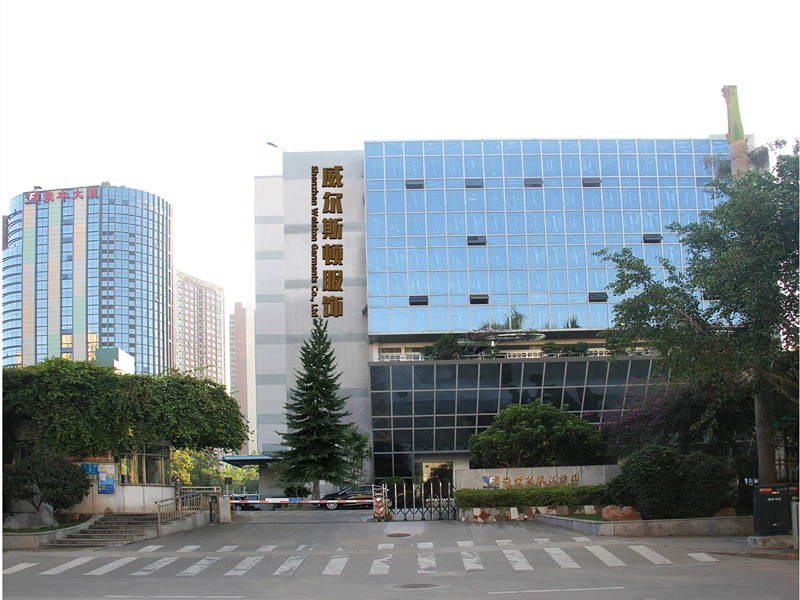
About Welston Garments