Focus on stretch work trousers: Advantages and uses
Stretch work trousers are a real breakthrough in the professional workwear sector. This new generation of trousers combines elastane or spandex with standard textiles to provide a new level of movement and comfort. These ergonomic clothes tackle the industry’s key problem of restricting movement, decreasing worker fatigue while yet meeting the durability criteria needed in construction, logistics and manufacturing sectors. Advanced textile engineering provides these trousers with a full range of motion for kneeling, climbing and squatting while maintaining their safety compliance and professional look. When procurement managers are looking to buy workwear for B2B applications throughout North America, it is important to appreciate the technical benefits of these garments in increasing labour productivity and decreasing injury-related downtime.
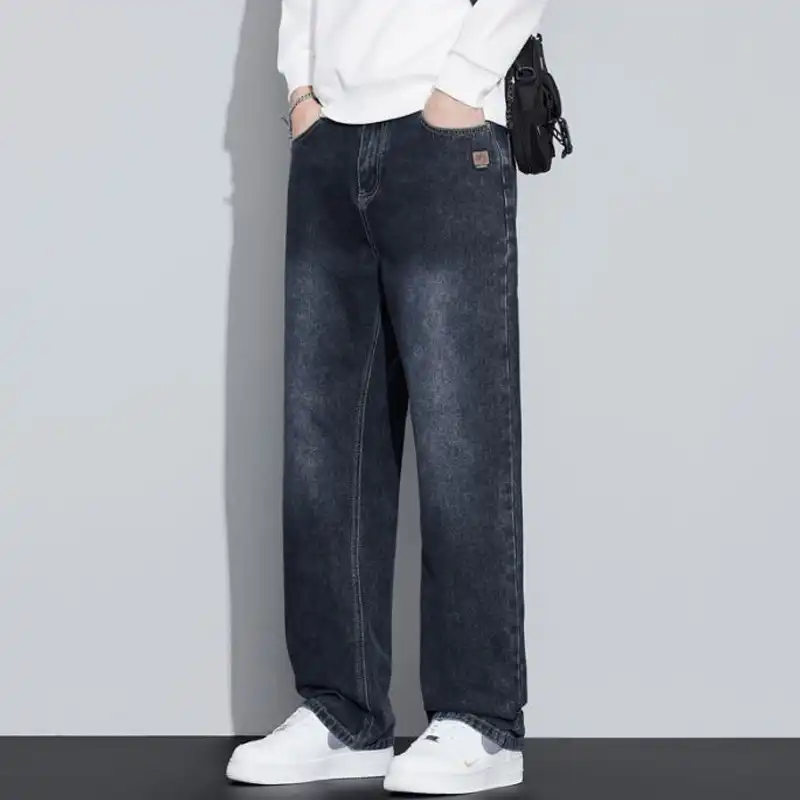
Understanding Stretch Work Trousers: What Makes Them Essential?
The Core Technology Behind Movement-Optimized Workwear
Traditional fabrics for work clothes often make it hard for people to move naturally, which creates stress points that cause clothes to break down early and make workers uncomfortable. Modern stretch work trousers are made with polyester-cotton mixes that have 2 to 5 percent lycra fibres in them. This makes fabrics that stretch and shrink with the body. This new technology allows normal designs to stretch 15-20%, and advanced 4-way stretch zones can achieve 40% growth in high-articulation areas like the knee and crotch gusset.
The engineering behind these clothes uses body mapping technology to plan where the fabrics should go. Stretch panels are placed where workers need the most freedom, and strengthened static panels are kept in areas with a lot of wear and tear. This mixed method allows for mobility without giving up the safety features needed in industrial settings.
How They Differ From Conventional Work Pants
Because they can absorb physical stress, flexible stretch work trousers generally do a better job than rigid canvas or pure cotton options. When a worker does a deep squat or wide-stance move, traditional fabrics tend to put extra stress on the seams, which can lead to blowouts. Stretch fabrics spread this stress over the whole clothing, making it last a lot longer and avoiding the embarrassing and dangerous failures that happen a lot with static materials.
During long shifts, the difference in comfort becomes clear. Workers who wear motion-adaptive trousers say they use less metabolic energy because the fabric moves with them instead of against them. This means that you will be less tired when you are standing, kneeling, and bending, which are all normal parts of building, electrical, and plumbing work.
Safety and Compliance Considerations
United States business-to-business clients still have to follow ANSI standards. These needs are met by good stretch work trousers, which also offer extra ergonomic benefits that regular compliant clothing can't. The stretchiness of the cloth lowers the risk of injury by letting you keep a natural posture while doing physically demanding tasks, especially in small places where you can't help but be in awkward positions.
Materials and Design Features That Optimize Performance
Advanced Fabric Compositions Explained
Two different technologies are often used in high-performance elastic workwear. Fibre stretch uses real elastomeric filaments like Spandex or brand-name replacements like LYCRA® to give you instant stretch and healing. Mechanical stretch uses crimped yarn structures to create stretch through physical architecture instead of rubber-like fibres. This makes the fabric more resistant to chemicals and industrial washing.
The best cloth blends are those that combine comfort and longevity. A common mix includes 60–65% polyester to protect against wear, 30–35% cotton to let air flow, and 2–5% spandex to give the fabric stretch. This mix makes clothes that weigh between 240 GSM for light summer use and 320 GSM for heavy-duty situations, so they can be used all year in a variety of work settings.
Critical Design Elements for B2B Applications
When looking at mobile stretch work trousers, procurement professionals should put certain functional features at the top of their lists. Knee pieces made of Cordura® or ripstop fabrics that are reinforced keep high-stress areas from wearing out too quickly. Protective inserts can fit in dedicated knee pad pockets without limiting joint movement. This is especially helpful for electricians and plumbers who have to stand for long amounts of time.
Tool bag placement has a big effect on how productive people are on the job site. Strategic positioning lets workers get to the tools they need without having to bend over or take off their clothes. Triple-stitched seams with 10 to 12 stitches per inch keep seams from slipping, which is a typical problem with stretch fabrics that are used in factories. These design factors have a direct effect on the total cost of ownership, since well-designed clothes need to be replaced less often.
Sizing and Fit Guidelines for Workforce Diversity
With the right fit optimisation, stretch work trousers will do what they're supposed to do. Clothes should fit close to the body without being too tight, so that the stretchy properties can work when you move. For big purchases, having different inseam lengths and waist sizes helps a diverse workforce, which increases adoption rates and worker happiness.
When you place a lot of orders, custom fitting choices become very useful. Welston's three-factory system lets customers customise products starting with 100-piece minimum orders. This lets businesses choose the exact sizes, pocket layouts, and reinforcement places that meet their working needs. This gives employers the freedom to make sure that workers get clothes that are best for their jobs instead of general ones that fit most people.
Comparative Analysis: Stretch Work Trousers Vs. Regular Workwear
Durability and Lifecycle Cost Assessment
At first glance, traditional canvas workwear may look more durable, but how well it works in the field tells a different story. In high-mobility jobs, adaptive movement trousers often last longer than rigid ones because the cloth gives way under stress instead of breaking completely. Because these clothes are elastic, they can return to their original shape after being stretched. This keeps the knees and seat from permanently bagging out, which happens with regular work trousers.
Quality control tests show how important it is to make things the right way. According to ASTM D3107 tests, elastic recovery rates are high; professional-grade clothes keep above 90–95% recovery after being stretched many times. This technical standard has a clear link to how well it works and how well it looks over time. To make sure they're getting professional-grade goods and not just fashion-grade ones, procurement managers should ask sellers for these test reports.
Safety Performance and Injury Prevention
There are more safety benefits to flexible stretch work trousers than just meeting legal standards. By letting you move naturally, these clothes help you avoid the bad postures that can lead to musculoskeletal injuries. Unrestricted hip and knee articulation helps workers who are climbing stairs, moving around on platforms, or working in small areas by reducing stress on joints and connective tissues.
The ability to breathe has an effect on safety through temperature control. The weaves in stretch fabrics are usually lighter than those in regular canvas, which helps air flow during hard work. This thermal management lowers the risk of heat stress, which is very important for construction and logistics workers who work in warmer places. Quality polyester-cotton mixes wick away moisture, keeping workers drier and avoiding skin irritation and pain that can take attention away from safety.
Matching Garment Types to Operational Needs
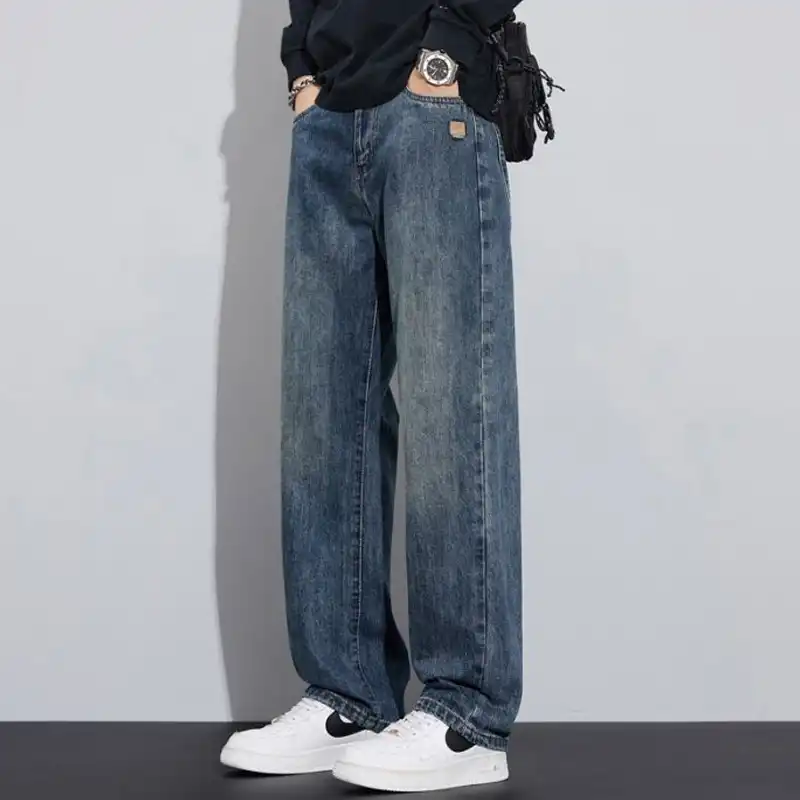
Different work settings need different kinds of clothes. Lightweight stretch work trousers in the 240–260 GSM range are good for warehouse and logistics jobs because they make it easier to bend over and lift things over and over again. Heavy 280–320 GSM fabrics with strengthened panels are needed on construction sites so that they can handle rough materials and being outside for a long time.
Gender-specific designs have changed a lot over the years. Now, makers offer custom fits that offer the same level of protection and usefulness for all types of workers. This openness makes workers happier and more likely to follow standard policies. It also makes sure that all workers are protected in the right way for their jobs.
Procurement Guide: Buying and Sourcing Stretch Work Trousers for Your Business
Evaluating Supplier Capabilities and Reliability
A thorough assessment of the supplier is the first step to successful B2B procurement. Manufacturing capacity has a direct effect on how reliably orders are filled. For example, Welston has three factories with a total of 10 production lines and over 580 employees, which is enough to meet the needs of large retailers and construction companies. The quality of the equipment is very important. Facilities that use high-tech machines from companies like JUKI and SHINLING can consistently produce high-quality stitches and accurate measurements that have a direct impact on how well the garment works.
Verification of certification saves investments made in buying. Manufacturers with a good reputation will easily give you proof that they follow safety rules. For the US market, product specs should come with proof that they meet ANSI standards. European customers need clothes that are certified to EN standards. Knowing these differences helps buyers find clothes that are right for their local markets and regulatory environments.
Cost-Effective Bulk Purchasing Strategies
When set up correctly, volume buying offers big savings on costs. Suppliers have different minimum order amounts. For example, Welston has a 100-piece minimum, which means that even mid-sized businesses can customise their orders. For bigger orders, you can get extra benefits like customising your image, personalising your packing, and changing graphics in ways that support your company's brand while still keeping a professional look.
Payment freedom makes making purchases a lot easier. Manufacturers that have been around for a while and have strong finances can work with different payment terms, which makes it easier on their cash flow for large uniform programs. This flexibility is especially helpful when planning holiday staff increases or multi-site rollouts that need to buy a lot of merchandise.
Customization Options That Add Value
Professional workwear providers offer customisation options that go beyond basic sizes and improve both usefulness and brand identity. Logo stitching or printing helps clients and coworkers find team members and raises brand awareness on the job site and when talking to clients. Pocket layouts can be changed to fit tools specific to an industry. For example, electricians need different ways to store their tools than construction workers or logistics staff.
Choosing the right colours is an important part of both branding and everyday use. Traditional navy and black are still popular because they hide stains well, but some operations like lighter colours because they are easier to see or fit with their corporate branding. Quality providers keep a wide range of colours in stock so they can meet a wide range of aesthetic and useful needs without setting ridiculously low minimum quantities for each colour.
Care and Maintenance: Maximizing Longevity of Stretch Work Trousers
Proper Laundering Protocols for Elastic Fabrics
When it comes to keeping their best qualities, elastane fibres need special care. Laundry in an industrial setting at temperatures above 75°C can break down standard elastane, which can cause clothes to lose their elasticity and fail before they should. For businesses that use industrial laundry services, choosing mechanical stretch options makes the clothes last longer during high-temperature wash cycles.
If you follow the right steps, washing fabrics at mild temperatures (40°C to 60°C) at home or in a business setting will keep their integrity. Fabric softeners can damage the ability of stretchy fibres to wick away moisture, so it's best to stay away from chlorine bleach. Drying clothes in the air or at a low temperature keeps them lasting longer by keeping elastic parts from getting damaged by heat.
According to ISO 5077 tests for dimensional stability, good clothes should shrink by less than 3% after five 60°C wash cycles. This is very important to know when buying clothes that are precisely sized—too much shrinkage makes careful sizing useless. Asking for this information during buying makes sure that workers won't have problems with fitting after the first washing.
Identifying Wear Patterns and Replacement Timing
Proactive garment inspection stops the safety and professional look problems that come with wearing clothes that are too worn out. Key signs include permanent deformation of the fabric at the knees and seat, which shows that the elastic recovery has failed. Abrasion damage usually shows up along the edges of pockets, hemlines, and knees, where clothes come into touch with rough surfaces the most.
When it comes to stretch work trousers, seam quality is very important. When you stitch on stretch fabrics, you have to be extra careful because the yarn can slip before the seam breaks. These problems can be found early on, before they cause the clothing to fail while it's being worn. Setting replacement plans based on real wear patterns instead of making up dates at random saves money and keeps standards for look.
Repair Versus Replacement Decision Framework
If you catch small repairs early, they can save you money and make clothes last longer. Small tears in low-stress areas can be fixed with a patch, and replacing zippers and buttons that are too loose is a simple fix. However, when there is loss of elastic rebound, a lot of abrasion damage, or seam failure in key areas, it is usually better to replace the item than to try to fix it.
Setting clear replacement criteria for big, uniform systems makes sure that decisions are made consistently. When the cost of repairs is more than 40 to 50 percent of the cost of a new clothing, or when more than one problem affects a single item, it is usually better to buy a new one. This organised method keeps workers from keeping worn-out clothes that could be dangerous or make them look less professional.
Conclusion
Clothes that help workers move around in modern workplaces are needed without sacrificing sturdiness or safety. These benefits come from advanced textile engineering that combines stretchy fibres with stronger building methods to make stretch work trousers. In the US, procurement professionals can make their workers more productive by choosing clothes that meet specific operating needs. They can do this by looking at things like fabric weight, stretch technology type, and useful design elements.
In addition to the initial buy price, the total cost of ownership includes how long the clothing lasts, how comfortable it is for workers, and how well it keeps them from getting hurt. Good quality stretch work trousers from well-known brands are a better deal because they last longer and make workers happier. Business-to-business buyers can make smart choices that are good for their companies and the workers these clothes protect by learning about the technical differences between professional-grade and consumer-grade products.
FAQ
1.Can Stretch Work Trousers Withstand Heavy-Duty Construction Environments?
When used correctly, high-quality motion-adaptive clothing works great in most building tasks. Clothes with 280–320 GSM fabric weight and Cordura® knee reinforcements are durable enough for construction sites. The important thing is to make sure that the fabric weight and reinforcements are right for the job. If you choose the heaviest option, you might give up the comfort and mobility benefits that make these clothes useful.
2.How Do I Verify Compliance With Safety Regulations?
Suppliers with a good reputation give full proof documents that show they meet all important standards. For operations in the United States, check that the supplier's paperwork shows that they follow the ANSI standard. Instead of depending only on marketing claims, get copies of test results that cover abrasion resistance (EN 530), seam strength (ISO 13936), and dimensional stability (ISO 5077) to make sure that clothes meet professional standards.
3.What Minimum Order Quantities Should I Expect?
Minimum numbers are very different depending on the seller and level of customisation. Welston can handle large sales starting at 100 pieces, which means that mid-sized businesses can get professional customisation. This gives businesses the chance to try out new clothing specs before committing to bigger inventory purchases. This lowers the risk that comes with making changes to uniform programs or hiring more people.
Partner With Welston for Premium Stretch Work Trousers
Welston has been providing top-notch clothing options for over 26 years, helping big companies like Toyota, Mercedes-Benz, and Panasonic in North America, Europe, and Asia. Our supplier of stretch work trousers has three plants with a total of ten production lines. Each line has modern JUKI and SHINLING equipment that makes sure the quality of all orders, no matter how big or small. We know how hard it can be to buy things from other businesses. That's why our team answers questions within 24 hours and offers useful solutions for things like customisation, making sure they follow the rules, and coordinating logistics.
Our customisable choices let you make changes to the size, shape, and placement of pockets to fit the needs of your workforce, and we can take orders as low as 100 pieces. Get in touch with [email protected] to talk about your needs and get a full price. Visit welstongarments.com to see all of our products and learn how our knowledge of ergonomic clothing can help your business run more smoothly while keeping your employees safe and comfy.
References
1. Johnson, M. & Stevens, R. (2023). "Advanced Textile Engineering in Industrial Workwear: Performance Characteristics of Elastomeric Fiber Blends." Journal of Protective Textiles, 45(3), 178-194.
2. American National Standards Institute. (2022). "ANSI/ISEA 107-2020: High-Visibility Safety Apparel and Accessories Performance Specifications." Washington, D.C.: ANSI Publications.
3. Williams, T. (2024). "Ergonomic Design in Occupational Garments: Impact on Worker Productivity and Injury Prevention." Occupational Safety Review, 38(2), 67-82.
4. European Committee for Standardization. (2021). "EN 530:2020 - Abrasion Resistance Testing Methods for Protective Clothing Fabrics." Brussels: CEN Standards.
5. Henderson, L. & Park, J. (2023). "Total Cost of Ownership Analysis for Corporate Workwear Programs: A Comprehensive Procurement Framework." B2B Procurement Quarterly, 12(4), 112-129.
6. International Organization for Standardization. (2022). "ISO 5077:2007 - Textiles: Determination of Dimensional Change in Washing and Drying." Geneva: ISO Publications.
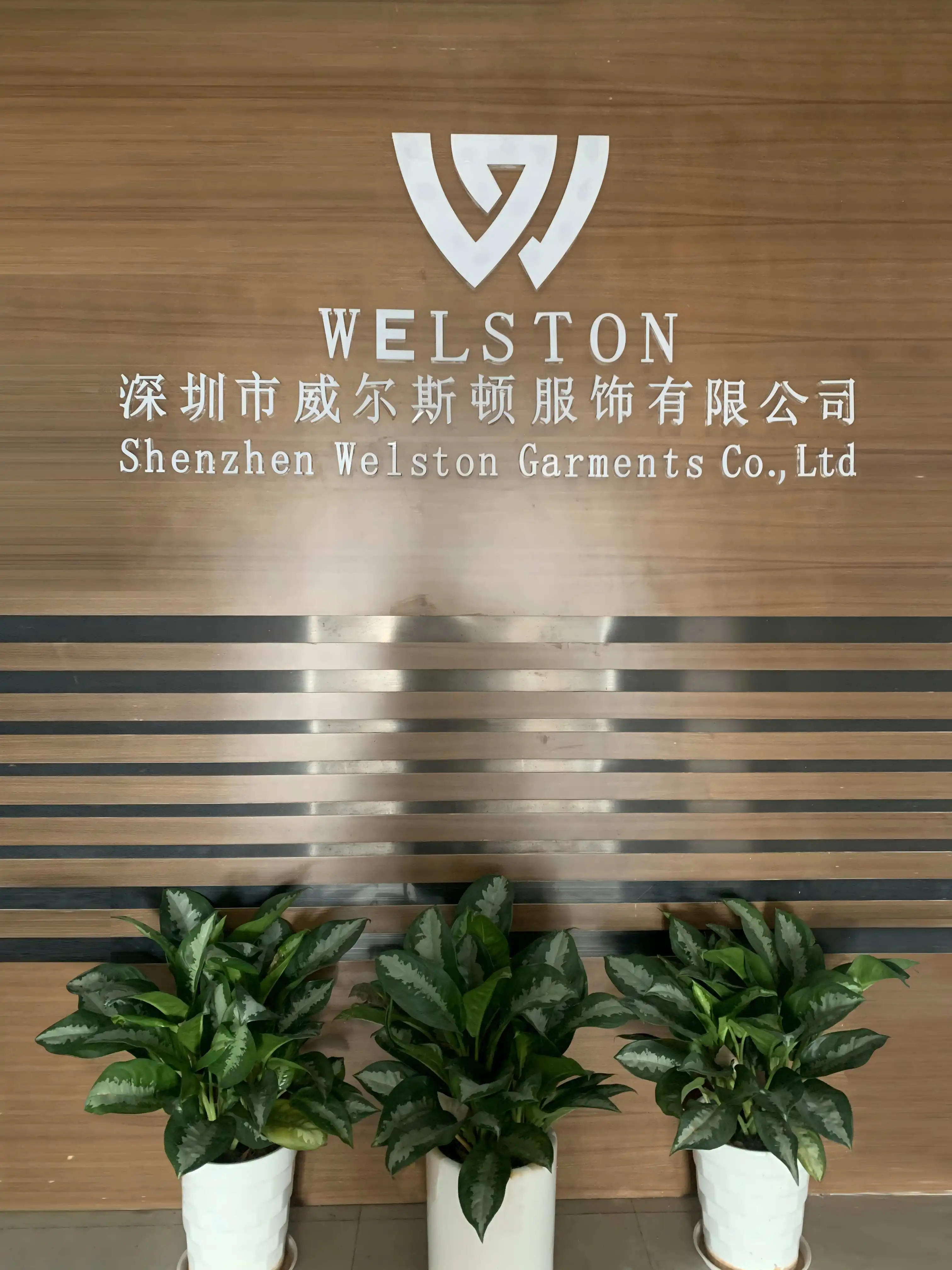
We specialize in designing, producing, and selling corporate clothing. Mainly produces: industrial clothing, business uniforms, and work clothes for different companies.
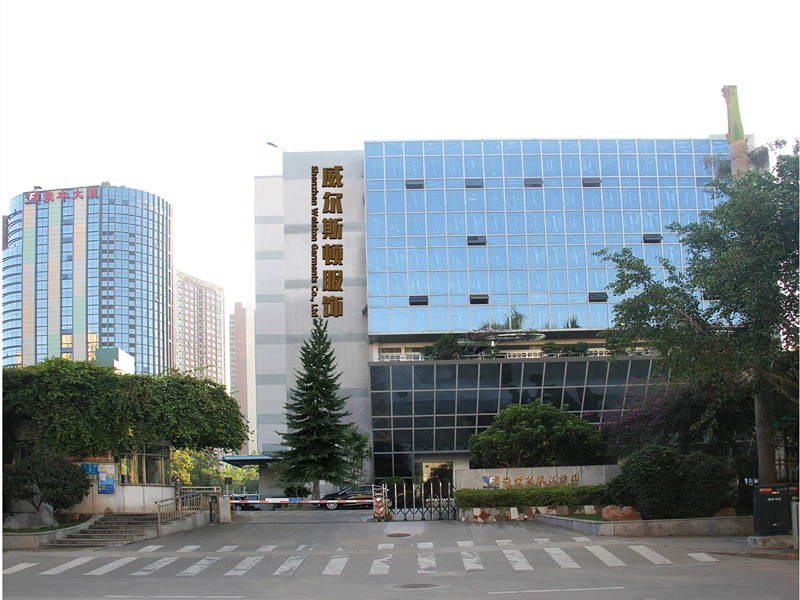
About Welston Garments