Work Trousers with Stretch – Are They Worth the Hype?
Stretch work trousers are unquestionably worthwhile. The new clothes are made from a mix of elastane-blended fabrics and standard workwear toughness. They are very flexible and comfortable without losing protection. For procurement managers in North America who outfit teams working in construction, logistics, or manufacturing, these trousers make it much easier for workers to do repetitive tasks like kneeling, bending, and climbing without getting tired. Better mobility directly leads to higher output and fewer accidents at work that happen because people can't move around as easily. Even though they may cost a little more at first than regular cotton drill trousers, they are cheaper to buy in bulk because they last longer and need to be replaced less often.
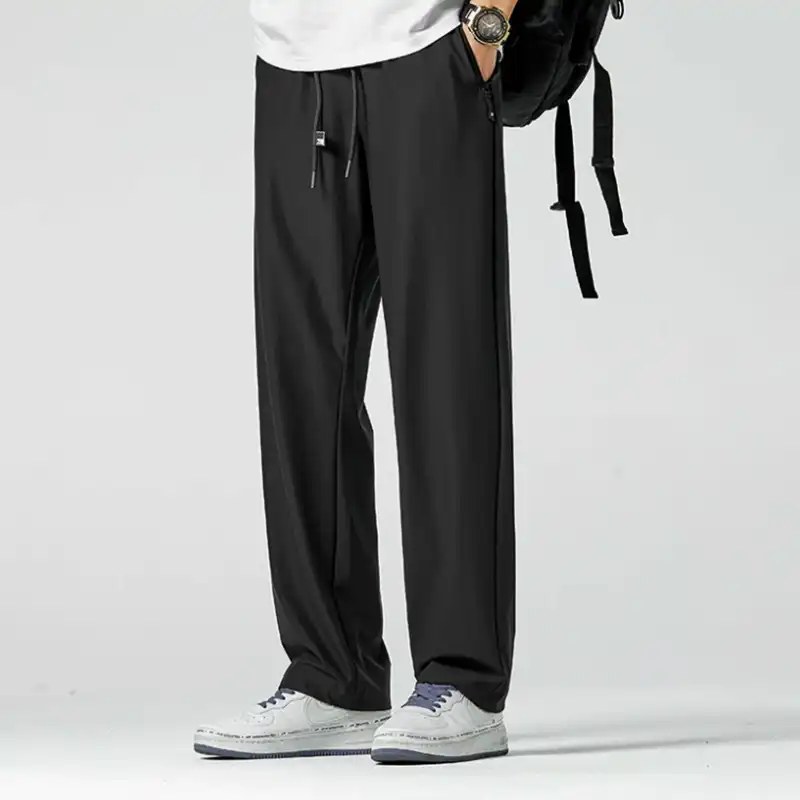
What Are Stretch Work Trousers and Why Are They Essential for Modern Workwear?
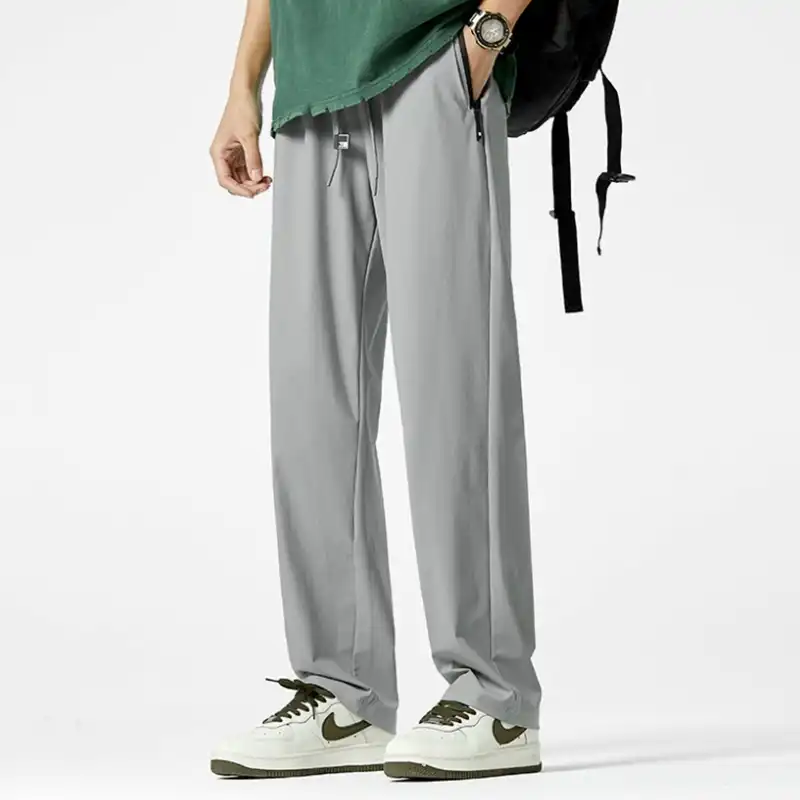
Stretch work trousers are a big step forward in professional clothing because they combine technology fabrics with ergonomic design ideas to meet the needs of today's workplaces.
Advanced Fabric Technology Behind Stretch Work Trousers
Elastane fibres, usually 2 to 5 percent spandex or Lycra, are woven into cotton-polyester base materials for modern flexible clothing. This mix lets the material stretch 15-20% while keeping its shape after many stress cycles. These engineered materials spread strain across the structure of the fabric, unlike 100% cotton clothes that make it hard to move and tear at stress points. The polyester adds resistance to wear and tear, and the cotton keeps the fabric breathable during hard work. Manufacturers like Welston use carefully measured fibre ratios to find the best balance between toughness and flexibility. This makes sure that clothes can handle industrial washing cycles while still being able to stretch.
Range of Motion Advantages for Industrial Applications
Every day, people who work in plumbing, electrical installation, and storage do hundreds of squats, lunges, and stretches. Pressure points form at the waist and knees when you wear traditional stiff pants, which is painful and limits blood flow. Stretch work trousers with stretch panels put in the right places, like the crotch flap, knee zones and lower back, allow all of your joints to move freely. This design consideration is very important for HVAC techs who have to work in tight ceiling areas or delivery workers who have to load goods. Studies from ergonomic research centers show that making clothes more flexible can cut the amount of metabolic energy used during physical work by 8–12%. This means that workers can keep up their performance levels for longer shifts.
Gender-Specific Cuts and Inclusive Sizing
Professional clothing companies now know that successful clothes need to fit a wide range of body types, not just men's designs. Women's stretch work trousers have different hip-to-waist ratios, higher rear rises, and moved pockets so that they still work without affecting the fit. This attention to differences in anatomy makes sure that tools are placed correctly and that they are easy to get to. It also keeps fabrics from bunching up, which can get in the way of safety equipment harnesses. Major retailers and construction companies in North America are including gender-inclusive sizing in their uniform procurement contracts more and more. This is because they know that wearing clothes that fit well makes you more comfortable and more likely to follow PPE rules.
Stretch Work Trousers vs Regular Work Trousers – Making the Right Choice for Your Team
When choosing the right work clothes, you have to look at a lot of performance factors that have a direct effect on both worker happiness and prices.
Durability Comparison Under Heavy Use Conditions
When worn around the office, regular cotton canvas work trousers usually last between 6 and 9 months before the knees tear or the waistband breaks. Even though elastic fibres are thought to be fragile, stretch work trousers that are properly made with strengthened stitching at stress points usually last longer than 12 to 15 months. The main difference is how the fabrics react to force: rigid materials hold on to stress until they break completely, while stretch fabrics spread out strain and recover. Triple-needle felled seams and bar-tack reinforcement at pocket corners are used in Welston's factories to fix the main problems that lower-quality flexible clothing has. For procurement teams that buy more than 500 units a year, this longer service life saves them a lot of money, even though the units cost a little more.
Comfort and Fatigue Reduction Benefits
There is a straight link between worker comfort and safety and production. Workers have to size up in trousers that don't stretch, which leaves them with extra fabric that gets caught on equipment or makes it easy to trip. If you get the right fit, stretch work trousers will mould to your body while you move around and keep your professional look while you're working. Polyester-blend stretch fabrics are also better at managing sweat than pure cotton because they wick away moisture. This is especially important for warehouse workers who work in places where the temperature can't be controlled. Less rubbing and pressure points mean that workers don't have to change their clothes as often during the shift, so they can keep their attention on the job at hand instead of being uncomfortable all over.
Built-In Safety Features and Functional Design Elements
Professional-grade stretch work trousers are designed to be safe in addition to being easy to move around in. Reinforced knee zones allow for insertable padding for jobs that require long periods of standing. This is especially helpful for electricians, floor installers, and car mechanics. Strategic pocket placement keeps tools accessible without getting in the way of the connection points for fall protection harnesses, which is very important for building and maintenance workers who are working at heights. Adding reflective piping to seam lines makes things easier to see in warehouses and on the side of the road where there isn't much light. If job places require such approval, procurement managers should make sure that stretch work trousers meet the ANSI standards for high-visibility clothing when reviewing choices.
Lifecycle Cost Analysis for Procurement Teams
Besides the initial buy price, a full cost analysis looks at how often things need to be replaced, how long they last when washed, and how satisfied workers are with their jobs. Traditional work trousers cost $25 each and need to be replaced every six months, which adds up to $50 per worker per year. This doesn't take into account rush orders that happen when stock runs out unexpectedly. Stretch work trousers of high quality costing $40 each and lasting 15 months save about $32 a year while lowering emergency procurements. Also, when workers are more comfortable, they are less likely to quit physically demanding jobs. This is because keeping trained workers long-term saves more money than small price differences in clothing. When you buy in bulk from well-known companies like Welston, which lets you customise orders over 100 pieces, you can get big discounts that make group uniform programs even more cost-effective.
Selecting the Best Stretch Work Trousers for Your Industry – A Buyer's Decision Support Guide
Instead of depending on general product descriptions, strategic procurement means matching clothing specs to real-world operations.
Defining Your Operational Requirements
A thorough study of the job part is the first step in effective selection. Mid-weight cotton-spandex mixes are good for light assembly workers who need basic movement and breathability but not a lot of support. Chinos-style stretch work trousers with clean lines are ideal for construction site workers who need to look professional and need them to last for a while. Heavy-duty knee pads and secure cargo pockets are needed for logistics workers who load delivery vehicles. Fabric weight is also affected by climate. For example, distribution centers in the south of the U.S. need lighter 240 GSM fabrics, while construction sites in the north need 300+ GSM weights that can handle cold weather. By making a thorough needs matrix, you can avoid buying clothes that aren't right for the job and having workers reject them, which wastes money and causes problems with compliance.
Evaluating Core Fabric and Construction Attributes
When reviewing what different suppliers have to offer, technical details are important. It should be clear what amount of elastane and base fibres are in a fabric; vague statements like "stretch blend" mean the fabric isn't very good. Longevity depends on how the seams are made. Flat-felled or French seams hold up much better in industrial laundry than basic overlocked edges. The difference between professional-grade and consumer-grade clothes is the quality of the buttons. Metal zippers from YKK or a similar company last a lot longer than plastic ones. When looking at knee reinforcement, it's important to know if the patches are sewn on or heat-sealed. Sewn on patches last longer. Welston's factories use Japanese JUKI industrial equipment to make sure that the stitch quality stays the same across production runs. This is very important when buying hundreds of similar clothes to keep the fleet uniform.
Brand Comparison and Bulk Purchasing Advantages
Workwear brands that have been around for a while have a track record, but customisation is usually limited to orders of less than 1,000 units. When you buy from a smaller company, you have more control over the branding, size changes, and minimum order amounts. However, quality control becomes more important. Ask sources for fabric test results that show the fabric is resistant to wear and tear (Martindale ratings above 20,000 cycles) and keeps its colour after being washed in industrial machines. Check to see if stretch recovery testing according to ASTM D3107 standards has been done. Fabrics that don't recover 90% or more of their original size will get saggy knees within weeks. For buyers in North America, providers with established logistics networks and English-speaking technology help make it easier to talk to them while they're making specifications and completing orders. As proof of its ability to meet strict corporate uniform standards, Welston works with big clients like automakers and electronics companies.
Customization Options and After-Sales Support
Customisation that supports the company's image while meeting specific operating needs is helpful for bulk uniform programs. Logo embroidery, screen printing, and heat transfer should all be able to handle 50 or more industrial wash cycles without getting too worn out. Custom sizes for workers who are very tall, short, or heavy keep expensive changes from having to be made after the goods are delivered. To match colours to current uniform standards, providers need to have advanced dyeing skills and strict quality control procedures. After the initial delivery, trusted suppliers offer quick after-sales support, which can help with problems like size, quality, or reorder logistics within 24 to 48 hours. Welston has a dedicated customer service team that answers all questions within one business day. They offer expert advice for developing specifications and quickly resolve any problems that arise after delivery.
Caring for Stretch Work Trousers – Maintenance Tips to Maximize Durability and Performance
When you take good care of your clothes, they last longer and keep their safe and useful qualities.
Washing Protocols That Preserve Elasticity
Too much heat, chlorine bleach, and strong cleansers can break down elastane fibres. Stretch work trousers should be washed in industrial washing services at temperatures below 60°C (140°F) with mild chemicals that don't change the pH level. Elastane breaks down faster when dried at high temperatures. Air drying or low-heat tumble drying, on the other hand, keeps the stretchy properties. Separating heavily dirty clothes for pre-treatment keeps less-dirty clothes from being washed too hard, which saves fabric stress. When people wash clothes at home, they should turn pants inside out to protect the outside and close all the buttons to keep them from snagging. Fabrics that don't use fabric softeners keep their ability to wick away moisture and stop the buildup of chemicals that make fabrics stiff over time.
Repair Strategies and Replacement Timing
When small repairs are done quickly, they keep small problems from turning into major failures. Loose stitching at the corners of pockets should be fixed right away with bar-tack stitching to keep the pockets from coming apart completely. When the cloth starts to thin, knee reinforcement patches can be properly put on. This can add three to six months to the life of the garment. But clothes that don't stretch well—those with noticeable bagging at the knees or seat—should be thrown away no matter what else is wrong with them because they don't help with movement anymore. Setting clear criteria for replacement stops workers from hanging on to worn-out clothes that don't look good or work well.
Sustainable Procurement Practices
Environmental concerns are becoming more and more important in how companies decide what to buy. By choosing stretch work trousers made of recycled polyester or cotton grown organically, purchasing habits can be in line with sustainability goals without compromising functionality. Companies can keep their social responsibility promises if their suppliers show clear supply chain practices and confirmed labour standards. Welston's manufacturing processes use water-based printing methods and efficient material utilisation methods that are better for the environment. Longer garment service life naturally supports sustainability by lowering textile waste—one pair of high-quality stretch work trousers replacing three low-quality ones keeps a lot of trash out of landfills over the lifecycle of the product.
Conclusion
Stretch work trousers are clearly better than traditional rigid workwear because they allow for more movement, are more comfortable and last longer if they are properly chosen and cared for. These clothes are a smart investment for North American procurement managers who outfit construction crews, logistics teams, or manufacturing staff. They lower long-term costs and make workers happier at the same time. Carefully choosing a provider, writing clear specifications that meet business needs, and setting up the right care practices are all important parts of a successful execution. As the workforce becomes more diverse and jobs require more physical ability, flexible workwear has gone from being a nice-to-have extra to an absolute must for companies that want to improve employee health and efficiency.
FAQ
1.Do Stretch Work Trousers Lose Their Shape Over Time?
When cared for properly, good clothes keep their shape, and mechanical stretch technologies like T400 are better at recovering than regular elastane. Elastic degradation is mostly caused by heat during drying and chemical damage from detergents that contain chlorine. If you choose stretch work trousers with 90%+ recovery rates according to ASTM D3107 tests and wash them according to the manufacturer's instructions, they will keep their fit for 12 to 18 months with normal workplace use.
2.Can These Trousers Withstand Industrial Laundering?
Most clothes made of elastane can be washed in an industrial washer at temperatures below 60°C using neutral soaps. If the temperature in the workplace is higher than 75°C, you should choose trousers made of mechanically stretchy polyester instead of heat-sensitive elastane fibres. Check the supplier's specs to make sure they work with the laundry rules your facility already has.
3.What Minimum Order Quantities Should We Expect?
Different suppliers have very different order minimums. For customisation, major names usually need between 500 and 1,000 pieces. Speciality manufacturers like Welston, on the other hand, can take orders as low as 100 units and offer full branding and size choices. Smaller minimums make it easier to test worker acceptance in pilot programs before committing to rollouts across the whole fleet.
Source Quality Stretch Work Trousers from a Trusted Manufacturer
Welston has been making professional clothing for almost 30 years and can help companies that need solid, high-performance clothes. Our three factories run ten separate lines with high-tech JUKI and SHINLING equipment. This makes sure that the quality is the same for orders of 100 to 10,000 pieces or more. We are experts at making stretch work trousers that meet ANSI safety standards and give you the comfort and freedom you need in today's workplaces. Together with procurement managers, our technical team creates specifications that meet exact working needs. These can be anything from options for reinforced knees for tradespeople to options for a more professional look in business settings. Welston takes away the uncertainty that comes with buying workwear from other countries by using established logistics to serve clients in North America and quick customer service to answer questions within 24 hours. Get in touch with our team at [email protected] to talk about your unique requirements and get a price for custom stretch work trousers that will increase employee safety and productivity.
References
1. "Ergonomic Considerations in Industrial Workwear Design," Journal of Occupational Safety and Health, Volume 47, Issue 3, 2022.
2. "Textile Performance Standards for Professional Protective Garments," American Society for Testing and Materials Technical Publication, 2021.
3. "Lifecycle Cost Analysis of Corporate Uniform Programs," International Journal of Supply Chain Management, Volume 15, Number 2, 2023.
4. "Elastomeric Fiber Durability in Industrial Laundry Environments," Textile Research Journal, Volume 93, Issue 8, 2022.
5. "Worker Comfort and Productivity Correlation in Manufacturing Environments," Ergonomics International Quarterly, Volume 38, Number 4, 2023.
6. "Sustainable Practices in Corporate Workwear Procurement," Journal of Business Ethics and Supply Chain Responsibility, Volume 29, Issue 1, 2023.
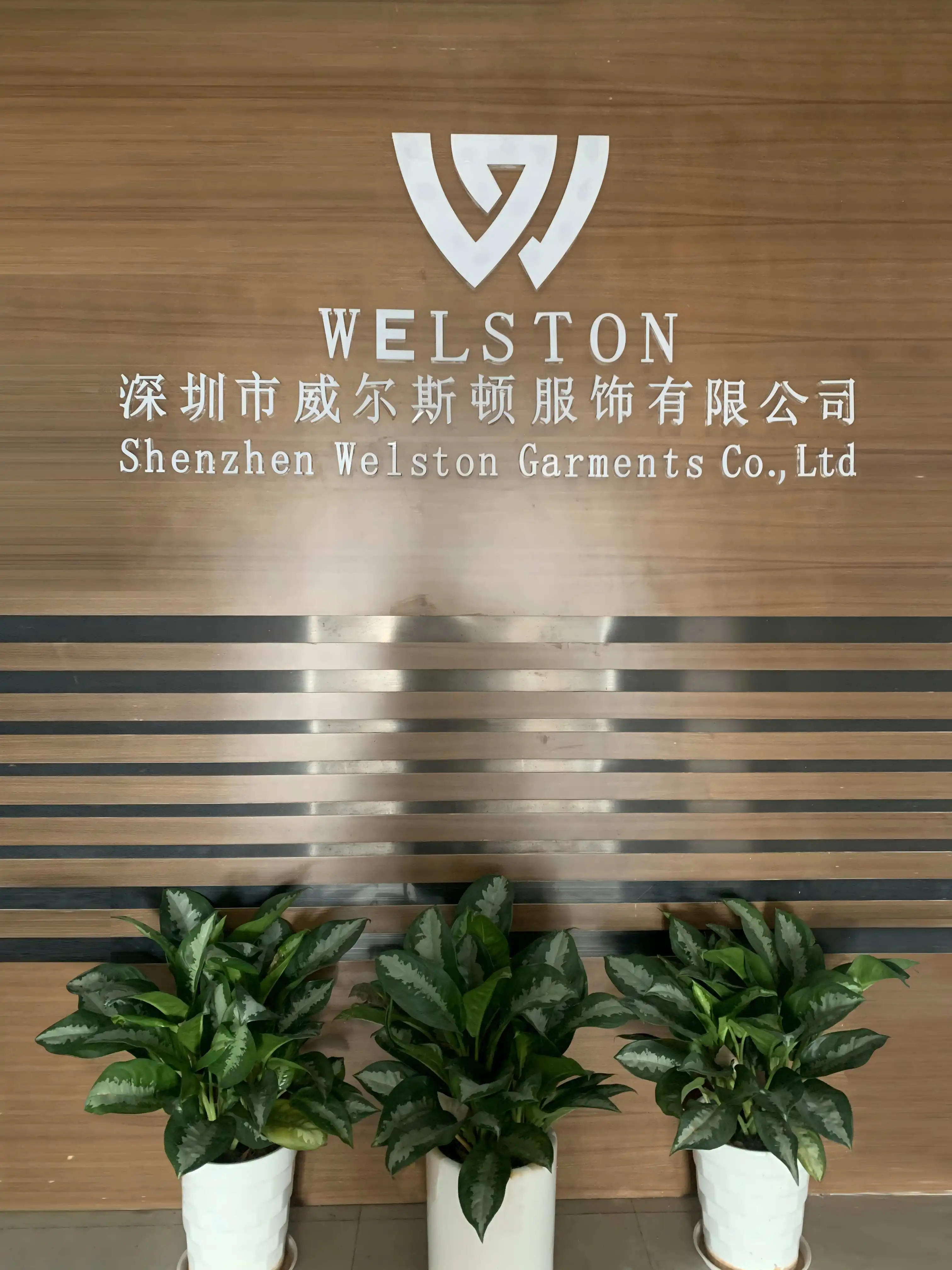
We specialize in designing, producing, and selling corporate clothing. Mainly produces: industrial clothing, business uniforms, and work clothes for different companies.
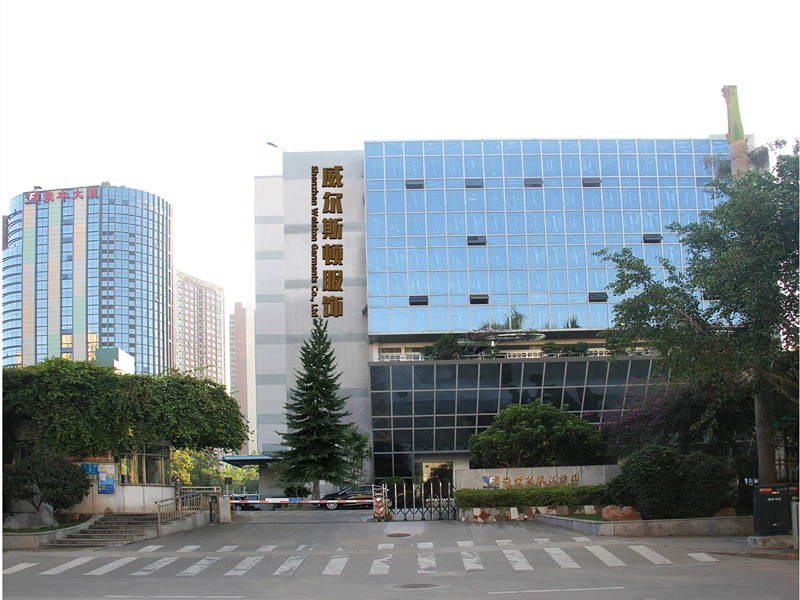
About Welston Garments