How to Choose the Best Vest for Winter Activities?
To stay warm and comfortable in cold weather, winter vests must be chosen based on insulation technology, fabric performance, and fit. The perfect vest provides core warmth without impeding movement for outdoor pleasure and professional use. Knowing fill power, water resistance ratings, and layering compatibility helps make decisions that maximize value and functionality in various winter circumstances.
Defining the Problem: Challenges in Choosing the Best Winter Vest
Winter vest selection is complicated by user needs and environmental variables. Procurement specialists struggle to combine performance standards, budget limits, and various operational needs.
Understanding Varied Application Requirements
Outdoor specialty companies in North America demand high-performance insulated vests with sophisticated technological standards. These extreme-condition applications require high thermal efficiency, moisture management, and longevity. Corporate apparel suppliers need formal waistcoats for hospitality, where durability, maintenance ease, and bulk size trump technical excellence.
Industrial uses are complicated by safety regulations. Construction, manufacturing, and outdoor workers need vests that are warm, visible, and compatible with safety gear. The challenge increases when seasonal workforce shifts need flexible inventory management and speedy deployment.
Common Procurement Pitfalls
Insufficient insulation standards often cause consumer discontent and higher replacement costs. Price points sometimes dominate procurement decisions without considering long-term performance indicators. This technique causes premature wear, lower thermal efficiency, and higher TCO due to frequent replacements.
Poor bulk order fit standardization causes operational issues. Manufacturer sizing differences can cause inventory and user comfort difficulties. Layering systems compatibility is complicated since vests must support different base layer thicknesses without affecting mobility or thermal performance.
Limited durability assessments during selection cause unanticipated maintenance expenditures and service interruptions. Abrasion resistance, UV degradation, and washing cycle durability must be carefully assessed to assure product performance over its intended service life.
Core Criteria to Evaluate When Selecting a Winter Vest
Effective vest selection demands careful study of technical criteria that affect performance, durability, and user satisfaction. Understanding these basic factors helps buying selections meet operational needs.
Insulation Technology and Performance
Natural loft creates thermal barriers, giving down insulation outstanding warmth-to-weight ratios. High-quality down compresses well for storage and travel and recovers loft. Fill power values between 550-850 show insulation efficiency, with higher levels representing superior thermal performance per weight.
In moist settings, synthetic insulation performs better. Synthetic fabrics dry faster than down and retain insulation under moist conditions. These materials are cheaper than premium down and hypoallergenic for sensitive people.
Modern hybrid vests strategically use both insulating kinds. Core areas use down for warmth, while moisture-prone zones use synthetics for consistency. This method maximizes thermal efficiency and addresses practical performance issues across activity kinds.
Fabric Technology and Weather Protection
Outer shell materials affect vest performance through weather resistance, breathability, and durability. DWR (Durable Water Repellent) treatments in advanced fabric technologies defend against moisture while maintaining breathability for active use.
In grams per square meter every 24 hours, breathability indicates moisture vapor transport. Internal condensation can decrease insulating effectiveness, while higher ratings improve moisture management during active use. Balanced breathability and weather protection improve user comfort across activity levels.
Industrial and outdoor applications with frequent equipment contact and environmental exposure require abrasion resistance standards. Reinforced high-wear regions and sturdy construction methods improve product life and performance.
Fit and Mobility Considerations
Proper fit optimizes thermal performance and mobility for targeted activities. Base layers must fit without pressure spots or circulation issues in vests. Adjustable side tabs and hem drawcords allow for user customization and layering.
Layering and mobility are greatly affected by armhole design. Well-designed armholes allow movement without thermal bridging, which reduces insulation. Use patterns must balance thermal efficiency with layering room.
Length affects mobility and thermal coverage. Longer vests cover the core but may hinder bending or equipment. Shorter designs maximize mobility but may expose hips in certain poses or activities.
Comparing Vest Types and Technologies for Winter Use
Modern vest designs use various technology and construction methods to meet market segment performance needs. Knowing these variants helps choose the best option for apps and users.
Traditional vs. Technical Performance Vests
Traditional vests incorporate classic appearance and basic insulation without sophisticated features. Standard synthetic insulation and simple shell textiles make these goods suitable for casual use. Durability and affordability are prioritized over performance in construction.
Technical performance vests optimize performance metrics with modern materials and structure. For demanding applications, articulated construction, intelligent insulation placement, and innovative fabric technologies improve functionality. These designs are expensive yet function well in difficult environments.
The trend toward hybrid designs mixes aesthetics with performance. This strategy meets market needs for items that work well for professional and leisure use while looking good in varied settings.
Specialized Industrial and Safety Applications
ANSI industrial safety requirements require fluorescent and retroreflective vests. These items meet visibility and thermal performance criteria, keeping workers warm in cold conditions. Compliance criteria vary by geography and application, necessitating precise specification matching.
Flame-resistant vests meet petrochemical, welding, and electrical safety standards. These specialist items use flame-resistant materials or treated fabrics that last. Performance standards like NFPA 2112 and ASTM F1506 specify danger exposure requirements.
Arc-rated vests guard against electrical arc flashes and keep workers warm in cold weather. Arc thermal performance value (ATPV) ratings suggest electrical hazard prevention for these products after specialist testing. Integration with other PPE must be considered during specification development.
Regional Market Adaptations
Sustainable materials and workmanship are valued in Europe alongside technical excellence. Recycled insulation, responsible down sourcing, and eco-friendly fabric treatments follow environmental trends. These features are expensive yet meet corporate procurement policies' sustainability standards.
North American outdoor leisure and industrial markets value technical performance and durability. Water resistance, breathability, and abrasion resistance trump aesthetics. Large bulk orders favor uniform sizing and quality.
For climate and culture, Middle Eastern applications demand specific attention. Breathable textiles and modest styling satisfy regional tastes while preserving professionalism. Large hospitality and security uniform programs require cost-effective bulk purchase.
Practical Steps to Choose and Procure the Best Winter Vest
Systematic procurement optimizes vest selection, reduces risks, and maximizes value across different operating requirements. These practical approaches help with complex specification and vendor evaluation decisions.
Environmental and Operational Assessment
Insulation and weather protection are based on climate study. Temperature, precipitation, and wind exposure affect performance requirements. Regional climatic data informs insulation and weather resistance options for consistent performance.
User comfort and safety depend on activity level evaluation breathability and mobility. High-intensity activities require moisture control and ventilation, while low-activity applications favor thermal retention. Understanding normal use patterns optimizes performance for operational demands.
Durability and TCO depend on use duration and frequency. Premium materials and building methods are justified for continuous usage, whereas occasional use can employ conventional specifications. Maintenance and replacement cycles affect long-term procurement and budgeting.
Vendor Evaluation and Selection Criteria
Supplier reliability includes production, quality, and delivery history. Established producers with track histories reduce substantial procurement risks. Production capacity must match order timing and volume changes.
Organizational and branding needs can be met with customization. Custom logo application, color matching, and sizing meet operational needs while keeping brand consistency. Min order quantities and setup expenses affect specific requirements' feasibility.
Quality assurance ensures product consistency across production runs. ISO certification, testing, and inspection ensure product reliability. Sample evaluation and pilot testing verify performance claims before major orders.
Testing and Validation Processes
Before big purchases, product sampling lets you test fit, comfort, and performance. Sizing and functionality feedback comes from representative user testing across body types and activity levels. Environmental testing in real-world situations verifies performance and identifies faults.
Testing performance under planned use conditions is necessary. Temperature chambers, moisture exposure, and abrasion testing measure product performance. Independent third-party testing services verify manufacturer claims and standards compliance.
User feedback during testing reveals practical issues that technical examination may miss. Comfort, usability, and upkeep affect long-term satisfaction and TCO.
Our Expertise in Winter Vest Solutions
For over 20 years, Welston has provided winter vest manufacturing services to B2B markets in North America, Europe, and the Middle East. Advanced design and adaptable production techniques help us meet the complicated needs of industrial, outdoor sports, and corporate uniform applications.
Comprehensive Product Portfolio
Useful utility waistcoats are among our winter vest alternatives for multiple sectors. These products meet cold weather thermal performance criteria and have many pockets for tool and equipment storage. In harsh industrial environments, durable construction methods assure reliability.
Sport waistcoats are for outdoor sports and enjoyment that prioritize mobility and weather protection. Advanced insulating and breathable fabric systems optimize active use while meeting frequent use durability standards. Design supports multilayer system integration and equipment compatibility.
Corporate and hospitality businesses require professional appearance and functional performance from waistcoats. For outdoor or climate-controlled locations, tailored craftsmanship and superior materials provide warmth and style. Sizing consistency for large batches meets bulk buying needs.
Advanced Manufacturing Capabilities
Our three production sites with eleven specialized lines can handle different order needs. JUKI and SHINLING cutting, sewing, and finishing equipment ensures precision and quality across production runs. Integrated screen printing, heat transfer, and embroidery provide complete customisation.
Quality control systems use multi-stage inspections to verify specifications at important production stages. Material testing processes guarantee insulation, fabric durability, and weather resistance satisfy standards. Final inspections verify sizing and construction before shipment.
Large orders can be scaled while maintaining quality with production capacity over 580 personnel across direct and outsourced operations. Flexible scheduling supports uniform and corporate apparel market seasonal demand changes and urgent supply needs.
Value-Added Services and Support
Customization includes logo application, color matching, and specialized size for unique organizational needs. Mid-sized companies can customize at low cost and retain production efficiency with 100-piece minimum orders. Graphic design helps create brand-aligned professional appearance standards.
Technical consultation services help design specifications based on use and performance goals. Our knowledge with various applications allows us to make cost-effective and useful recommendations. Sample development lets you test and improve before production.
Partnerships promote long-term partnerships through responsive customer service and product development. Our team answers customer queries and issues within 24 hours. Continuous communication during production and delivery balances expectations and preserves transparency.
Conclusion
Selecting the best winter vest demands careful evaluation of insulation technologies, fabric performance, and fit standards for operating needs. Success requires methodical technical review, vendor appraisal, and testing validation. Through greater user happiness, decreased replacement costs, and improved operational performance across varied winter activity applications, proper selection methods pay off.
Frequently Asked Questions
1. What insulation type works best for different temperature ranges?
In dry, cold circumstances below 20°F, down insulation provides excellent warmth-to-weight ratios. Synthetic insulation works well above 20°F or in damp settings where consistency is needed. Hybrid designs purposefully integrate both categories for versatility in different situations and activity levels.
2. How should a winter vest fit when worn over multiple layers?
Properly fitted winter vests allow comfortable movement while preserving thermal efficiency through close-but-not-tight layer contact. Armholes should fit base layers without binding and avoid air gaps that weaken insulation. Length should cover the body without hindering equipment or daily activities.
3. Are there specialized vests available for industrial safety compliance?
Industrial vests have high-visibility, flame-resistant, and arc-rated protection based on occupational hazards. These items provide cold weather thermal protection and meet ANSI, NFPA, and ASTM standards. Standards must be matched to workplace dangers and regional regulations to verify compliance.
4. What factors influence vest durability and service life?
Building quality, material choice, and use environment affect vest longevity. Quality zippers, stitching, and reinforced stress points prolong service life under harsh situations. Performance is maintained throughout the product lifecycle with proper cleaning and storing.
ods and storage practices maintains performance characteristics throughout the product lifecycle.
5. How do customization options affect lead times and minimum orders?
Standard customization like logo application adds 2-3 weeks to manufacturing timelines with 100-piece minimums. Custom size or materials may increase lead times and minimum quantities. Early specification development collaboration establishes realistic timetables and order requirements.
Partner with Welston for Superior Winter Vest Solutions
Welston is ready to handle your winter vest procurement challenges through our comprehensive production knowledge and customer-focused approach as a leading vest manufacturer. Our 26-year track record serving global B2B markets proves our commitment to quality and reliability across different applications from outdoor leisure to industrial safety concerns.
We invite procurement experts to discuss certain project requirements and learn more about our vast vest manufacturing capabilities. To arrange consultations and sample assessments that highlight our value proposition, get in touch with [email protected]. For large orders, our accommodating staff offers low pricing and thorough technical support that satisfies your schedule and financial constraints.
References
1. "Industrial Textile Standards for Cold Weather Protective Equipment" - American Society for Testing and Materials International, 2023
2. "Thermal Insulation Performance Analysis in Professional Workwear" - Journal of Textile Engineering and Fashion Technology, 2023
3. "Procurement Best Practices for Corporate Uniform Programs" - International Association of Uniform Manufacturers, 2024
4. "Advanced Materials in Cold Weather Protective Clothing" - Textile Research Institute Quarterly, 2023
5. "Ergonomic Design Principles for Occupational Outerwear" - Society for Human Resource Management Publications, 2024
6. "Global Market Analysis: Professional Workwear and Safety Apparel" - Industrial Safety Equipment Research Foundation, 2023
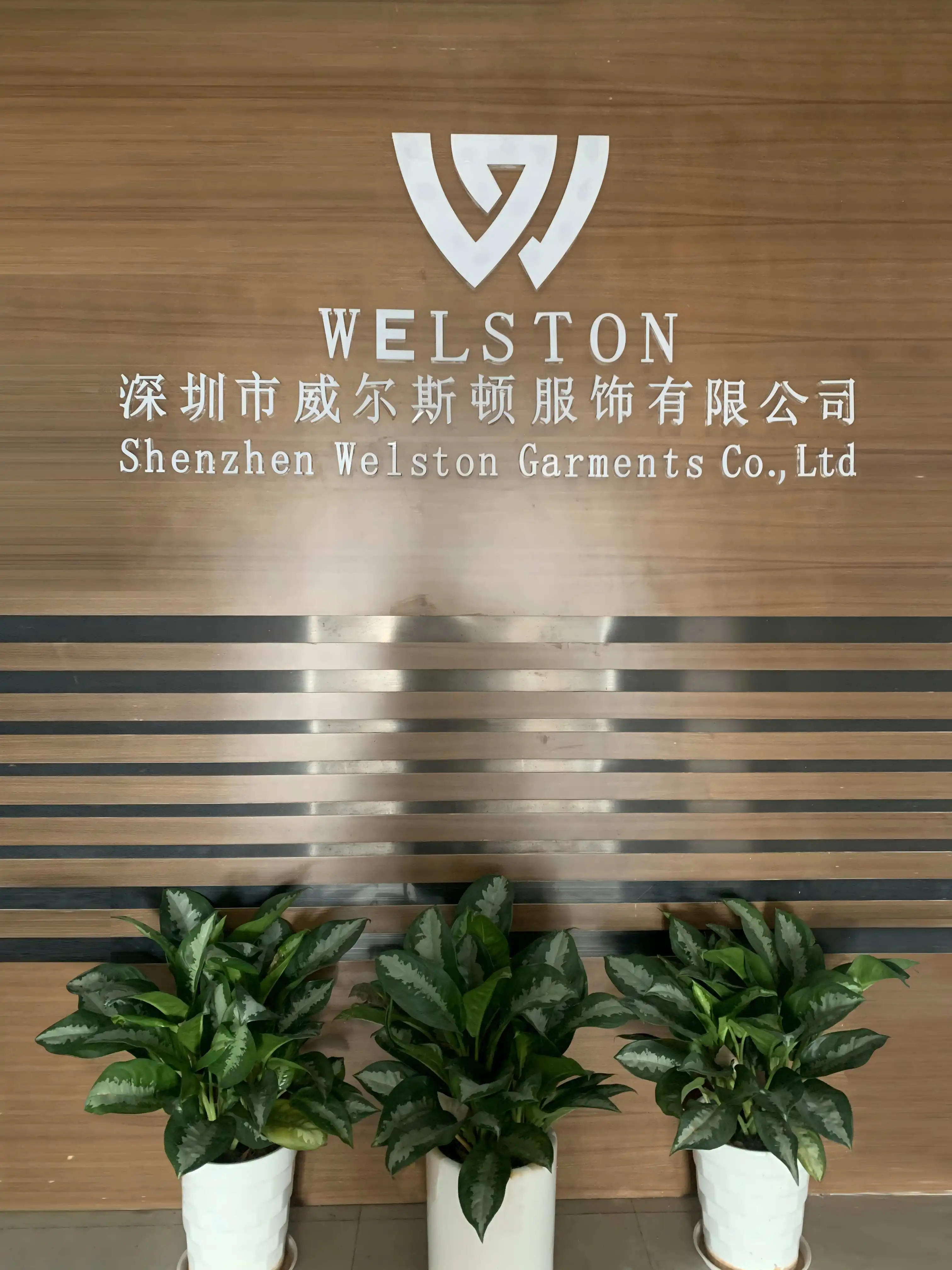
We specialize in designing, producing, and selling corporate clothing. Mainly produces: industrial clothing, business uniforms, and work clothes for different companies.

About Welston Garments