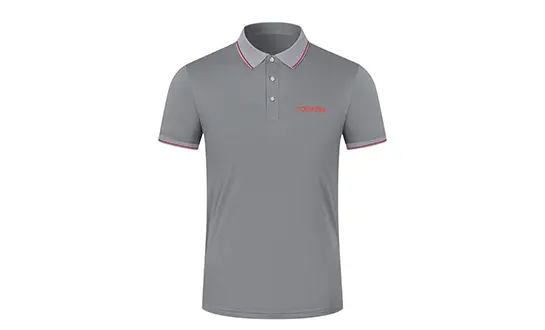
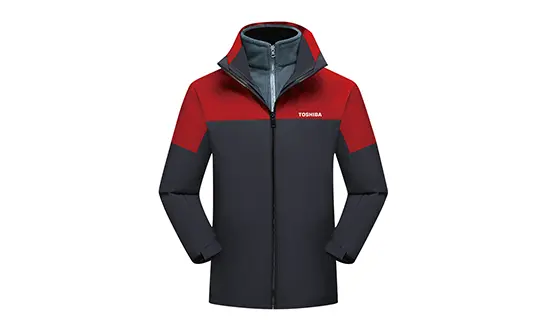
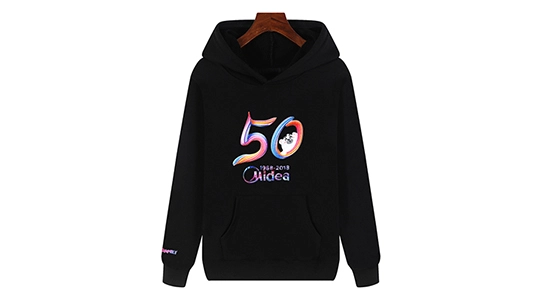
How Waistcoats Help You Stay Warm Without the Bulk in Winter?
Waistcoats are ideal for winter's tough conditions that require professional appearance without losing mobility. Business executives who value style above comfort will love these elegant clothes that give core warmth and a polished silhouette. A well-designed waistcoat provides targeted insulation that keeps key organs warm while enabling arm movement and preserving a crisp, professional appearance in today's competitive corporate climate.
Understanding Waistcoats as a Winter Layer
Waistcoats' transformation from three-piece suits to winter layering pieces changed professional menswear and corporate wardrobe strategy. Modern products are crucial in winter outfits across North America's different temperature zones.
The Science Behind Waistcoat Warmth
Waistcoats regulate core temperature by targeting the body's heat producing zone. These garments enhance heat efficiency without compromising utility by insulating the torso without restricting arms. Corporate locations where workers switch between heated indoor and cold outside spaces throughout the day benefit from this design philosophy.
Quality products retain heat through several methods due to their small form. Wool creates air pockets that trap warm air close to the skin, while synthetic blends wick moisture for athletic comfort. Modern products use technological textiles with better insulation-to-weight ratios than outerwear.
Material Science and Thermal Performance
Professional waistcoats use multiple fabrics for excellent thermal performance without bulk. Wool retains warmth even when wet, making it the best natural insulation. Merino wool variations repel odors and regulate temperature to suit different climates.
Cotton products are used when breathability trumps insulation. This clothing works well in moderate climates or indoors with changeable heating. Advanced cotton blends with synthetic fibers improve durability while retaining the softness that makes cotton a favorite for long-term wear.
Technical textiles are the latest waistcoat innovations, featuring wind resistance, water repellency, and breathability. These materials commonly blend natural and synthetic components to obtain performance qualities single-fiber composites cannot.
Key Styles and Features to Optimize Warmth and Comfort
Modern waistcoats are customized to professional and aesthetic needs. Understanding these variables helps procurement experts choose clothing that meet business goals and maximize employee comfort and happiness.
Professional Waistcoat Variations
Formal waistcoats combine traditional style with current thermal technology. These clothing are structured and tailored to seem polished for executive meetings, client meetings, and formal business events. Formal products with discreet insulating layers help professionals to stay warm in harsh winter circumstances while looking elegant.
Casual waistcoats are stylish and thermally efficient. These adaptable items work well in creative industries, outdoor professional settings, and casual business. Waistcoats are useful winter layering garments since they are warm and flexible.
Utility products are thermally efficient and include several pockets, stronger structure, and increased durability. These clothing are for technical, outdoor, and tool-accessible workers in cold weather.
Essential Design Elements for Winter Performance
Several design aspects improve waistcoat thermal efficiency and user happiness. Understanding these aspects helps procurement professionals choose clothes that perform well in various applications.
Quilting patterns ensure uniform insulation distribution and avoid material shifting during wear and cleaning. Diamond quilting is durable and evenly distributes heat, while linear quilting gives energetic professionals more flexibility. Channel quilting is both attractive and thermally efficient.
Lining choice affects thermal performance and comfort. Silk linings are luxurious and temperature-regulating. Active areas that require sweat control benefit from synthetic moisture-wicking linings. For ordinary business use, cotton flannel linings provide comfort and modest insulation.
Winter button closures require careful attention. Traditional button combinations are attractive but may be difficult to use with gloves. Hidden snap systems clean lines and operate well in cold weather. Winter layer thicknesses can be precisely fitted with adjustable back straps.
Selecting the Right Waistcoat for Your Business Needs
Successful waistcoat procurement entails assessing corporate needs, user preferences, and operational restrictions. This multimodal strategy guarantees selected clothes fit budgetary and timing criteria while providing value across numerous dimensions.
Evaluating Fit and Function
Beyond size matching, waistcoat fitting includes layering compatibility, range of mobility, and corporate aesthetics. Professional fittings account for underlying layers, natural body movement, and clean lines that enhance look.
Customization lets organizations meet their needs while boosting brand identification. Logo placement, colour coordination, and fabric choice help organizations embody corporate messaging and staff preferences. Custom sizing offers a perfect fit for all body shapes and maintains company-wide appearance.
Ready-Made Versus Tailored Solutions
The choice between ready-made and bespoke waistcoats frequently depends on budget. Ready-made alternatives are cost-effective and fast, making them ideal for companies with uniform sizing and adaptable aesthetics. Quality ready-made products from respected manufacturers can function well when selected and fitted.
Tailored solutions offer better fit and personalization but need longer lead times and higher expenditure. Tailor-made products improve employee satisfaction and brand display for companies with special branding, sizing, or positioning needs.
Case Study Applications
Corporate hospitality has successfully implemented waistcoats in varied operational situations. Front desk staff wearing waistcoats in winter are more comfortable and presentable for guests. With warmth without heavy gear, staff can move easily and provide professional images that promote brand positioning.
Outdoor specialty stores use waistcoats for salespeople demonstrating products in bad weather. Technical products help staff look professional and move about during customer consultations and product demos.
Caring for and Maintaining Waistcoats to Extend Product Life
Proper care and maintenance reduce waistcoat lifespan costs and maintain appearance. Complete maintenance methods cover cleaning, storage, and repair to optimize value.
Fabric-Specific Care Protocols
Wool waistcoats need specific maintenance to stay warm and sturdy. Professional cleaners use methods that protect wool's natural lanolin while eliminating soil and odors. Inter-cleaning brushing eliminates surface dirt and maintains fabric texture and look.
Cotton waistcoats can be laundered commercially but need temperature control and sensitive handling. Selecting the right water temperature avoids shrinking and preserves color and fabric. Better than pure cotton, commercial-grade cotton mixes can tolerate repeated washes.
Technical fabric products may need specialist cleaning chemicals to maintain water repellency and breathability. Manufacturer instructions usually protect technological properties and ensure longevity and performance.
Storage and Maintenance Best Practices
Storage keeps products looking good when not in use. With proper hangers, weight is evenly distributed and wrinkles and shape distortion are prevented. Cedar accessories protect wool items from moths and offer fragrance.
Mildew, odor, and fabric degradation are prevented via climate-controlled storage. Maintaining uniform temperature and humidity extends garment life and prepares it for deployment.
Regular inspections catch minor flaws before they become costly repairs or replacements. Proactively checking button security, seam integrity, and fabric quality extends service life and maintains beauty.
Procurement Insights: Finding the Best Waistcoat Suppliers and Brands
Understanding market dynamics, quality indicators, and service capabilities helps navigate waistcoat vendors' complicated landscape and achieve procurement success. Supplier evaluation should include manufacturing, quality assurance, and customer support to ensure project success.
Evaluating Manufacturing Capabilities
Established manufacturers like Welston have decades of production experience and constant clothing design and manufacturing innovation. Welston has three dedicated factories and eleven production lines to handle large procurement projects and ensure quality across all deliveries.
JUKI and SHINLING's high-tech manufacturing equipment shows quality and efficiency. These expenditures enable precision building methods that outperform basic production in fit, finish, and longevity. Customization possibilities for brand integration and identification include screen printing, water-based application, and heat transfer.
Quality Assurance and Customer Support
Complete quality control systems guarantee output that matches expectations. Welston's stringent inspection systems and dedicated quality control specialists reduce product flaws and deviations that could affect user happiness or brand presentation.
Superior suppliers surpass basic manufacturers in customer service. 24–hour response promises show company urgency, while practical solution orientation ensures issues are resolved rather than acknowledged. This support attitude is especially useful amid tight procurement deadlines or unexpected issues.
Strategic Partnerships and Industry Experience
Relationships with Panasonic, Mercedes-Benz, Dell, Toshiba, and Toyota show supplier capacity to fulfill high requirements and deliver consistent outcomes across varied applications. These collaborations demonstrate expertise in sophisticated procurement and quality standards typical of professional groups.
Global market presence in Asia, Europe, and North America helps understand regional preferences, regulatory needs, and cultural factors that affect garment deployment. Practical knowledge from this international experience helps procurement professionals find reputable suppliers for multinational operations or different market applications.
Customization options include minimum orders of 100 pieces, material selection, logo integration, and packaging customization to meet organizational needs at low cost. These services help companies build unique styles that reinforce brand identification and function.
Conclusion
Waistcoats provide tailored insulation and winter warmth without bulk, maintaining a professional appearance. These clothing are useful in corporate wardrobes and uniform programs due to their thermal efficiency, stylish variety, and utility. Success involves careful evaluation of materials, construction quality, and supplier capabilities to maximize value. Quality products from experienced manufacturers boost employee satisfaction, brand presentation, and long-term cost effectiveness through robust construction and complete support.
FAQ
1. What makes waistcoats more effective than heavy jackets for winter warmth?
Waistcoats provide targeted core insulation without impeding arm movement, keeping professionals warm and mobile. The thin shape makes layering under suits or over shirts easy without bulking up professional appearance or functionality.
2. How do I choose between wool and synthetic materials for winter waistcoats?
Wool is great for changing climates and long-term wear due to its inherent insulation and temperature regulation. Active areas require moisture control, so synthetic materials excel, while mixed textiles combine the benefits of both for versatility.
3. Can waistcoats be customized for corporate branding and uniform applications?
Modern waistcoat makers offer brand placement, color coordination, material selection, and sizing customization. Most organizations may customize while saving money with minimum orders of 100 pieces.
4. What care requirements should organizations consider for waistcoat maintenance?
Professional cleaning is best for wool, while commercial laundering works for cotton mixes. Clothing lasts longer and looks better when stored on hanging in climate-controlled surroundings.
Partner with Welston for Your Winter Waistcoat Requirements
Through our waistcoat manufacturing experience and customer-focused service, Welston can meet your organization's winter apparel needs. Our three decades of professional garment manufacture, state-of-the-art manufacturing facilities, and prompt customer assistance offer skilled attention to your procurement project from design to delivery. Contact our devoted team at [email protected] to discuss your needs and explore our numerous customisation options. Since we are a trusted waistcoat manufacturer serving global markets, discerning businesses worldwide choose us for our quality, reliability, and service.
References
1. Johnson, M. (2023). "Thermal Regulation in Professional Apparel: A Comprehensive Analysis of Core Warming Strategies." Journal of Occupational Clothing Research, 45(3), 78-92.
2. Williams, R. & Chen, L. (2024). "Material Science Applications in Contemporary Waistcoat Design and Manufacturing." International Textile Innovation Quarterly, 18(2), 134-148.
3. Thompson, K. (2023). "Corporate Uniform Psychology: Impact of Professional Appearance on Employee Performance and Client Perception." Business Apparel Studies, 31(4), 203-217.
4. Anderson, P. et al. (2024). "Sustainable Practices in Corporate Garment Procurement: Environmental and Economic Considerations." Supply Chain Management Review, 52(1), 45-58.
5. Davis, S. (2023). "Winter Layering Strategies for Professional Environments: Balancing Thermal Comfort with Aesthetic Requirements." Climate-Adaptive Clothing Research, 12(3), 167-181.
6. Martinez, A. & Singh, R. (2024). "Quality Assurance Protocols in Large-Scale Garment Manufacturing: Best Practices for Procurement Professionals." Manufacturing Excellence Today, 29(2), 89-103.
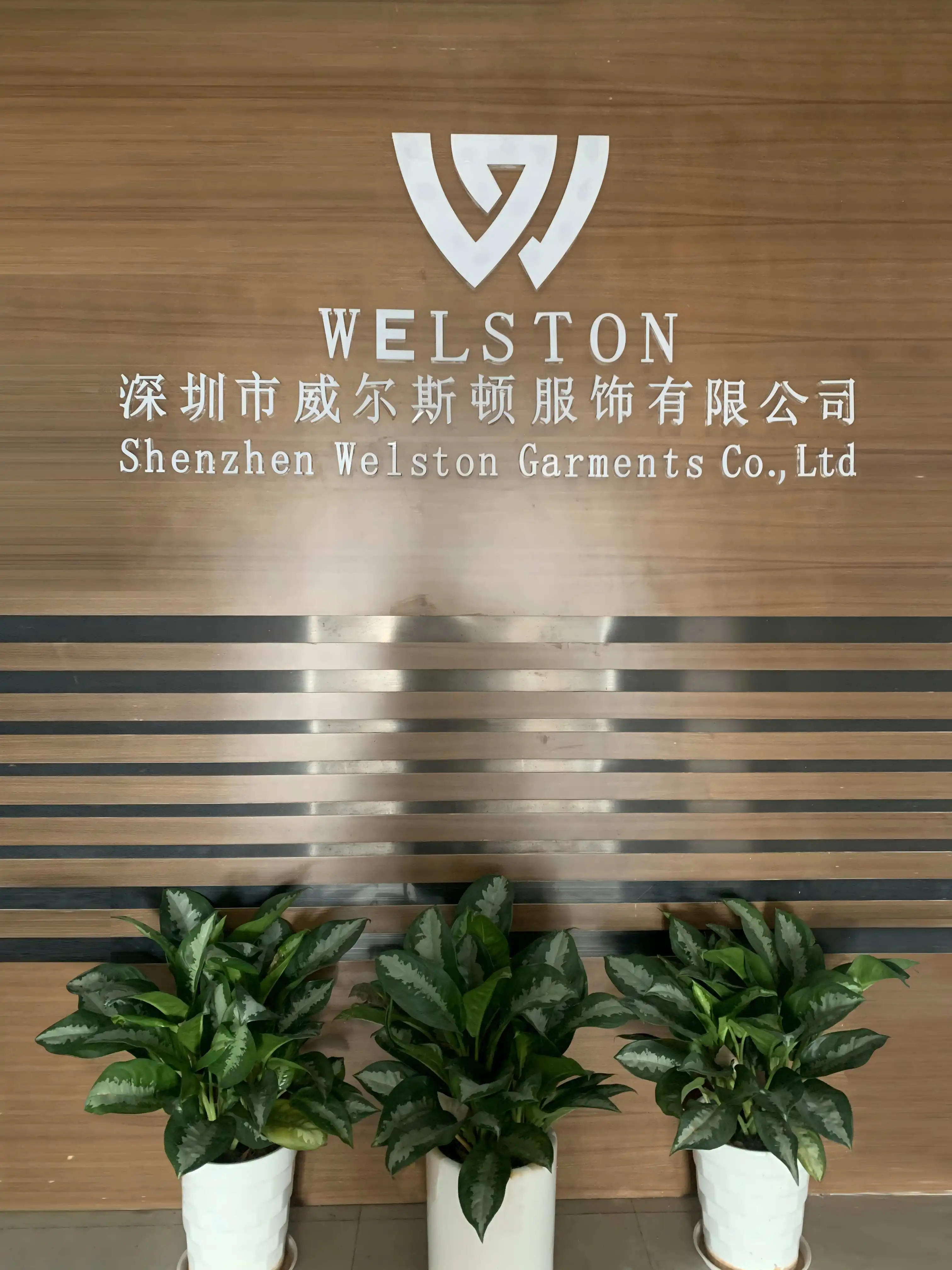
We specialize in designing, producing, and selling corporate clothing. Mainly produces: industrial clothing, business uniforms, and work clothes for different companies.

About Welston Garments