How to Maximize the Lifespan of Your Combat Trousers
Knowing how combat trousers are created and applying sensible maintenance practices are the first steps to prolonging their life. To make these utilitarian garments last longer, wash them properly, keep them well and buy wisely. Procurement managers can dramatically reduce replacement costs by using high quality materials such as ripstop fabrics, reinforced stitching, rotation strategies and fixing things when they break, keeping construction, logistics and industrial environments ready for work.
Introduction
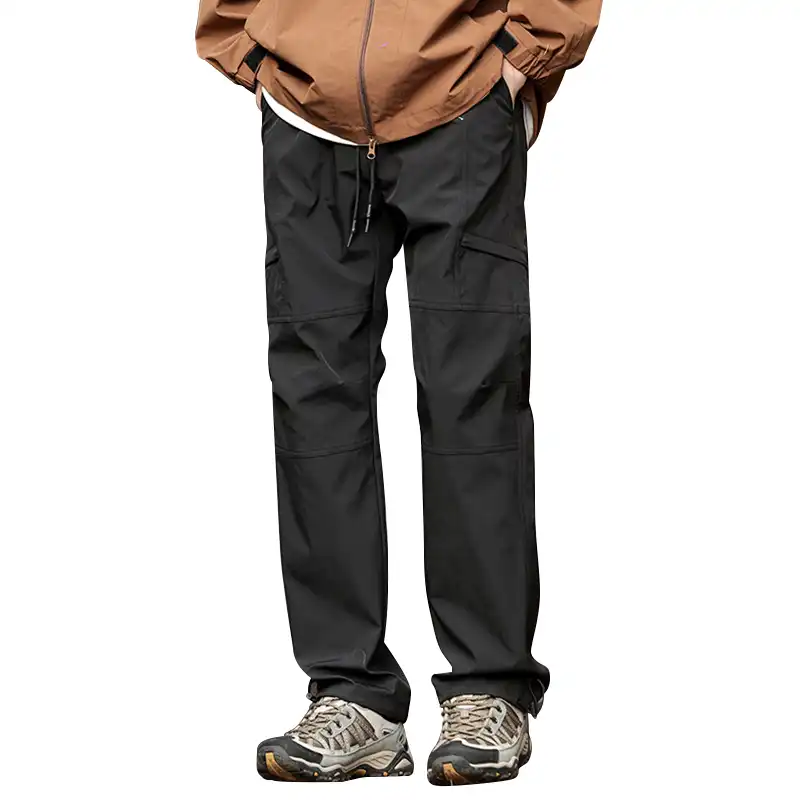
In North America, combat trousers are an important piece of workwear for warehouses, factories and construction sites. For procurement managers in charge of uniform programs at big stores, building companies, and transportation firms, how long these clothes last has a direct effect on how well the budget works and how happy the workers are. Tactical work pants are more durable than regular cargo pants because they are made of special fabrics, have pockets placed strategically, and are designed in a way that makes them comfortable to wear in tough working situations.
Welston has seen how good lifecycle management changes the results of procurement for the past 27 years. This guide looks at the things that affect how long clothes last and gives you practical tips on how to make your tactical workwear last longer, which will ultimately help your company's cost-per-wear numbers.
Understanding the Common Causes of Combat Trouser Wear and Tear
Material Degradation from Daily Operations
Tactical work trousers become worn down and ripped every day in high-friction regions such as the knees, seat and inner thighs. Cotton-rich mixes are breathable but may wear out sooner than synthetics on rough surfaces favoured in warehouses and building sites. Nylon-cotton (NyCo) ripstop textiles are extremely resistant to tearing because they are woven in a grid pattern that prevents tiny holes from becoming larger.
Seam Stress and Mechanical Failure
The quality of the seam design is a major factor in the structural stability of combat trousers. When you crouch, climb, or lift, the stress points around pockets, belt loops, and inseams are put under constant tension. When you use bartack stitching at these key points, the force is spread out more evenly. This stops the common "blowout" failures that shorten the life of a garment. For industrial-grade workwear to last, stitch density specifications should be checked. Usually, 8–10 stitches per inch are needed for good durability.
Environmental and Chemical Exposure
When manufactured fibres are exposed to UV light for a long time, the colour fades and the material gets weaker. People who work in construction in sunny areas wear out fabrics faster than people who work in transportation inside. Being around chemicals like industrial cleaners, oils, and solvents can damage cloth coatings and make fibre ties weaker. Figuring out the specific environmental problems your employees face lets you choose materials that meet their needs.
Impact of Washing and Storage Habits
Poor laundry habits cause a lot of wear that isn't necessary. Washing at high temperatures and drying them quickly in a machine breaks down elastic fibres, makes natural materials shrink, and takes off protective layers from technology fabrics. Mildew grows on fabrics that are stored in damp places, which weakens the structure of the cloth over time. These things that can be changed offer instant chances to increase lifespan through new care procedures.
Best Practices for Cleaning and Maintaining Combat Trousers
Selecting Appropriate Detergents and Washing Techniques
The greatest approach to make your clothing last longer is to wash them in a manner that suits the fabric. To clean NyCo ripstop and synthetic-blend work trousers, the best choice is mild detergents without fabric softeners, as they maintain the inherent characteristics of the material. Fabric softeners coat the fibres, making them less breathable and less able to draw sweat away from the body. This is vital for workers’ comfort when they are working hard.
The temperature of the water has a huge impact on the fabric integrity. Washing in cold or lukewarm (below 86°F) water cleans well and avoids colour bleeding or shrinkage. High temperature washes break down fibres quickly, so only use this for items that are truly soiled and have stubborn stains. Turning your garments inside out before washing them protects the outside sections and gear ( zippers, buttons ) from wear and tear in the washing machine.
Drying and Storage Solutions
The greatest approach to extend the life of combat trousers remains air drying. Drying garments in a highly ventilated environment avoids heat damage from tumble drying which breaks down elastic and causes shrinkage in materials. When machine drying is unavoidable, low heat settings exert minimal thermal stress on synthetic fibres.
The way garments are stored directly affects how ready they are to wear and how long they endure. Mildew, pests and UV deterioration won’t affect trousers that are stored in clean, completely dry, climate-controlled conditions. If you fold along the seam lines, instead of creasing the cloth, it will not change permanently. Hang heavier work trousers from their reinforced belt loops between uses to retain their form and equally distribute weight.
Implementing Repair Strategies
When compared to replacing things too soon, proactive repair programs save a lot of money. Small tears that are fixed right away with a patch reinforcement stop them from getting worse and becoming damage that can't be fixed. Extra stitching can be added to knee pad pockets that are showing signs of early wear before they completely fall apart. Procurement managers should set clear guidelines for deciding whether to fix or replace an item, usually based on how badly damaged it is compared to how much it is still worth.
Train facility managers or other approved workers on basic repair skills, such as replacing buttons and mending minor seams, to save downtime and get more out of your inventory. This strategy works very well on big volume stuff that needs to be done regularly so the team looks good and works well together.
Selecting Combat Trousers Designed for Durability and Longevity
Prioritizing Fabric Strength and Construction Quality
Before making a purchase choice, it's important to know how the material's specs translate into its sturdiness in the real world. Fabrics with ripstop weaves, which have grid patterns that can be seen all over them, are very resistant to tears without making the fabric heavier or stiffer. When the reinforcement threads are woven in at regular intervals, they form barriers that stop tears from spreading. This is very important for workers who have to walk on rough or sharp surfaces.
GSM means grams per square metre and tells you the weight of the fabric. It tells you how dense the material is and how long it will endure. 220 to 260 gsm fabrics provide a decent balance of comfort and protection for most building and logistical activities in North America. Fabric thicker than 280 GSM is appropriate for heavy duty. But this could make workers less comfortable when it is hot outside.
Reinforcement Features at Critical Stress Points
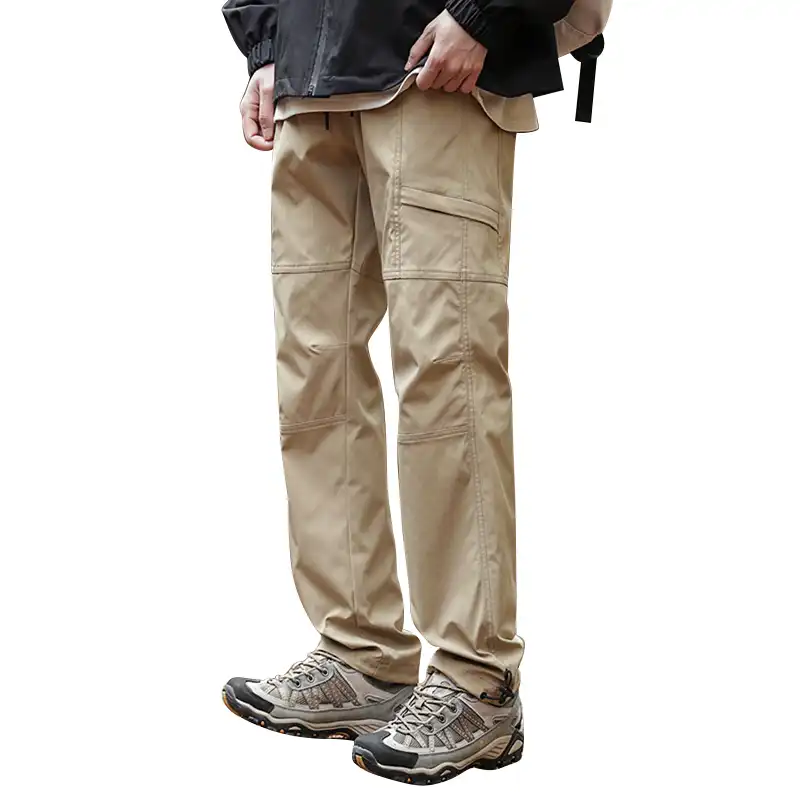
The combat trousers that last the longest have strategic reinforcements placed right where operational stress is highest. Double-layered fabric at the knees and seat areas makes these areas last longer in areas that get worn down quickly. Using threads of different colours for reinforced stitching lets you see if the seams are still strong during regular clothing checks.
Evaluating Functional Design Elements
When working in construction or installation, workers who have to kneel a lot will appreciate knee pad pockets. Protecting both the clothing and the person wearing it, internal pouches that hold replaceable padding spread pressure over a bigger surface area. This pattern stops the heavy wear that destroys regular cloth quickly at the knee.
Quality of pocket building directly affects how long a garment lasts generally. Heavy-duty stitches and strengthened corners keep the cargo bags closed, so tools, devices, and equipment can be put inside them without sagging or tearing. Secure locks with industrial-grade Velcro or buttons keep things from falling out while you're moving. This means you don't have to stuff pockets too much, which puts stress on the seams.
Waistbands that can be adjusted with elastic inserts or multiple adjustment points can keep up with how your body changes throughout the day, which is better for button closures and zippers. This flexibility stops the pulling and gapping that wears out locking systems faster.
Welston's three factories use Japanese JUKI and Taiwanese SHINLING machines to make military clothing. This makes sure that the quality of the stitching is the same from one production run to the next. Our 10 production lines follow strict quality control rules. Before being sent out, each garment is checked for strong seams, intact fabrics, and working hardware. This level of precision in production directly leads to better performance in the field for our North American clients. For example, we work with leaders in the field like Toyota and Panasonic on their work uniform projects.
Implementing Smart Usage Practices to Maximize Combat Trouser Life
Understanding Appropriate Applications
When it comes to certain military situations, combat trousers really shine because of their reinforced construction and useful features. These clothes are needed for protection and durability in construction sites where workers are exposed to rough materials, sharp edges, and changing weather. Secure pocket systems keep small tools and devices close at hand without getting in the way of movement, which is helpful for warehouse and logistics work.
Strategic Rotation and Inventory Management
Being able to tell the difference between cargo pants and combat trousers helps make sure that the right clothes are used. Both standard and combat trousers have many pockets, but combat trousers have extra support at stress points, knees that move freely, and stronger materials that are better for hard physical work. Assigning the right type of clothing to each job in your company keeps clothes from wearing out too quickly from being used in the wrong way.
By using garment rotation plans, you can spread out wear fairly across your uniform inventory and keep frequently worn items from breaking down too soon. When workers have three or four sets of trousers, they can switch them out every day, giving their bodies enough time to heal between wears. This practice lowers the stress that builds up on individual clothes and increases the time between replacements for your whole inventory.
Pairing with Protective Accessories
Systematic inspections are also easier to do with rotation systems. As clothes go through the process, certain people can notice new patterns of wear and fix small problems before they get worse. This proactive method finds problems like loose stitches or small tears early on, when they can be easily fixed to get the full usefulness back.
Protective gear that goes with tactical clothing makes it last a lot longer by keeping the fabric from getting damaged directly. Knee pads that go over pants or into special pockets protect the knees from direct wear and tear when doing jobs like plumbing, electrical work and installing floors while standing. In outdoor building settings, gaiters protect the lower leg and boot cuffs from mud, chemicals, and rough materials.
Tool belts and harness systems should be set up correctly so that weight is spread out evenly and there are no pressure points that speed up fabric wear. Making sure that gear like belt clips and carabiners stays smooth and free of snags keeps it from sticking and tearing when you move around normally.
Technological Advances and Innovations in Combat Trousers Maintenance
Advanced Fabric Coatings and Treatments
Performance treatments have been added to modern textiles to make them last longer without sacrificing comfort. Durable Water Repellent (DWR) processes make liquids bead up and roll off the surface of fabrics. This keeps them from getting too wet, which can stain them and break down the fibres. To keep working after many loads of laundry, these coatings need to be cared for in a certain way, like using technical detergents instead of fabric softeners.
Recent advances in antimicrobial treatments stop bacteria from growing and odours from building up, so clothes stay fresh for longer by being worn without being washed. This new idea is especially useful in places with a lot of activity, where clothes would wear out faster if they were washed often. Fabrics last longer when they are washed less often while still meeting cleanliness standards.
Engineered Tear-Resistant Materials
Improvements in the production of synthetic fibres have led to materials that are very strong for how light they are. High-tenacity nylon has chemical structures that have been changed to make it much more resistant to tears and wear than regular nylon. When mixed with cotton in the right amounts, these technical fabrics are both comfortable and durable enough for industrial use.
Practical Implications for Procurement
New nanotechnology applications build molecular barriers to repel stains, water and other pollutants. These treatments penetrate into the fabric structures more than typical surface coatings therefore they are more durable and resistant to wash cycles. These new technologies are relatively pricey right now but they will save you lots of money in the long run for high-wear usage.
If you want to get the most out of the sophisticated materials, it’s necessary to know how to care for them properly. Waterproof-breathable membranes and technological finishes require different maintenance than conventional work clothing. Care instructions from the manufacturer should be included in the procurement requirements and facility managers must be taught to handle items appropriately.
The economic benefits of technical fabrics can be seen by comparing the original investment to the total cost over the tenure. A pair of combat trousers with extra-durable features might cost 20–30% more than simple ones, but they will last twice as long, which means you'll save a lot of money over time. The best way to decide what to buy is to use detailed cost modelling that takes into account how often things need to be replaced, how much they cost to wash, and how they affect worker output.
Welston's engineering team is always looking at new cloth technologies so that we can use tried-and-true innovations in our production. We keep open lines of contact with our buying partners about the specific care needs and expected performance traits of advanced materials. This way, we can make sure that your investment pays off in the real world.
Conclusion
Maximising the lifespan of tactical workwear requires a combined approach that includes smart buying, following maintenance instructions, and smart use. By knowing about the qualities of materials, following the right care instructions, and choosing clothes that are designed to meet the needs of the business, buying managers can save a lot of money while still making sure that employees are happy and look professional. When you buy quality clothes from experienced makers and handle their lifecycles proactively, you get the best value in North American workplaces that are tough and where durability, safety, and functionality are still very important.
FAQ
1.What distinguishes combat trousers from standard cargo pants?
In tactical work pants, stress spots are reinforced, ripstop fabrics are used to make them less likely to tear, and the pockets are set up in special ways to keep tools and equipment safe. Standard cargo pants are usually made of lighter materials that aren't reinforced as much. This means that they're good for everyday wear but not as good for demanding industry settings where safety and sturdiness are important.
2.How often should tactical workwear be replaced in industrial settings?
Replacement processes rely on how often something is used and how well it is maintained. When used every day, construction sites with a lot of abrasion usually need to replace things every 12 to 18 months. This could be extended to 18 to 24 months for warehouse and transportation jobs with less high stress. Checking seams for damage, cloth loss, and pocket security on a regular basis helps figure out when to replace something before it fails completely.
3.Can tactical work trousers accommodate different body types across diverse teams?
Modern military clothing has adjustable features like elastic waistband inserts, multiple size ranges, and cuts that are made to fit different body types. Many companies, including Welston, offer wider size choices to make sure that workers of all types can find clothes that fit comfortably. This is done so that clothes last longer and are more comfortable to wear because they don't have to work as hard on the seams and openings.
Partner with Welston for High-Performance Tactical Workwear Solutions
With almost 30 years of experience, Welston knows how to make durable workwear that meets the tough needs of North American retail, building, and transportation businesses. As a seasoned seller of combat trousers, we know that the choices you make about what to buy affect both how well your business runs and how well your budget does. Our three factories use high-tech JUKI and SHINLING equipment to make sure that the clothes they make are always of high quality. The clothes have reinforced stitching, ripstop fabrics, and useful designs that make them last longer in tough work environments.
We can customise your order starting at just 100 pieces, including adding your brand, making it the right size, or choosing a different material to meet the needs of your employees. Our team is quick to respond and promises to communicate within 24 hours. They offer useful solutions that are backed by strict quality control procedures. Contact [email protected] to talk about how our tactical workwear solutions can help you get the most out of your uniform program while still meeting the safety standards and durability needs of your operations.
References
1. American National Standards Institute. (2021). "ANSI/ISEA 125-2021: American National Standard for Conformity Assessment of Protective Clothing and Equipment for Occupational Use."
2. Chen, J. & Williams, M. (2020). "Textile Durability in Industrial Applications: Fabric Performance Under Mechanical Stress." Journal of Industrial Textiles, Vol. 38, Issue 4.
3. Occupational Safety and Health Administration. (2022). "Personal Protective Equipment Standards for Construction and General Industry Workplaces."
4. Roberts, K. (2019). "Lifecycle Cost Analysis of Protective Workwear: A Procurement Guide for Industrial Applications." Facilities Management Quarterly.
5. Thompson, R. & Liu, S. (2023). "Advanced Fabric Technologies in Occupational Clothing: Impact on Durability and Maintenance Requirements." Textile Research Institute Annual Report.
6. Workplace Uniform Association. (2021). "Best Practices for Commercial Uniform Program Management: Maximizing ROI Through Strategic Procurement and Care Protocols."
We specialize in designing, producing, and selling corporate clothing. Mainly produces: industrial clothing, business uniforms, and work clothes for different companies.

About Welston Garments