What Are Polyester Trousers and Why Are They Popular?
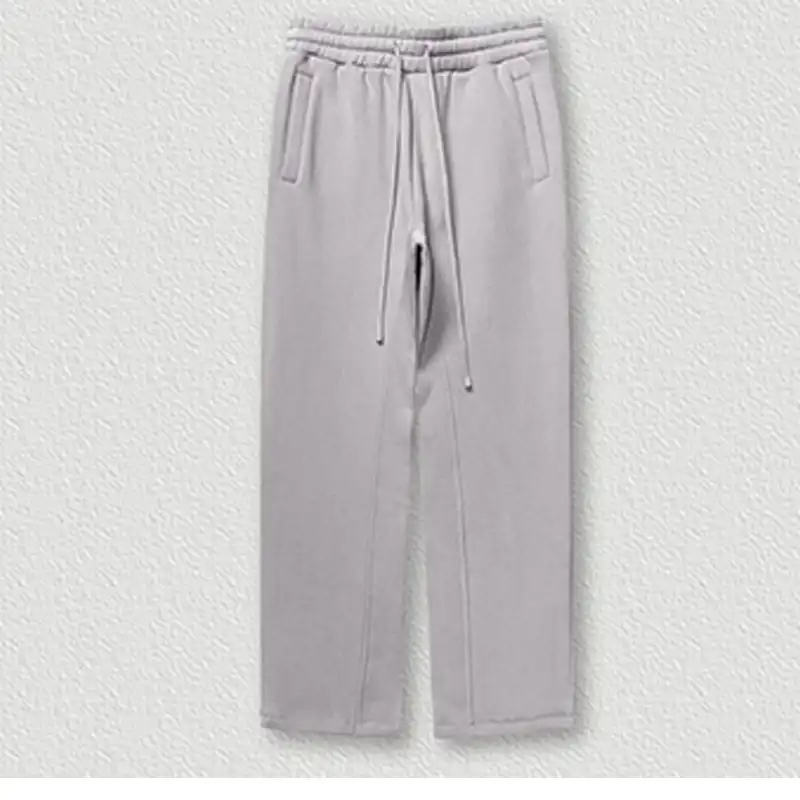
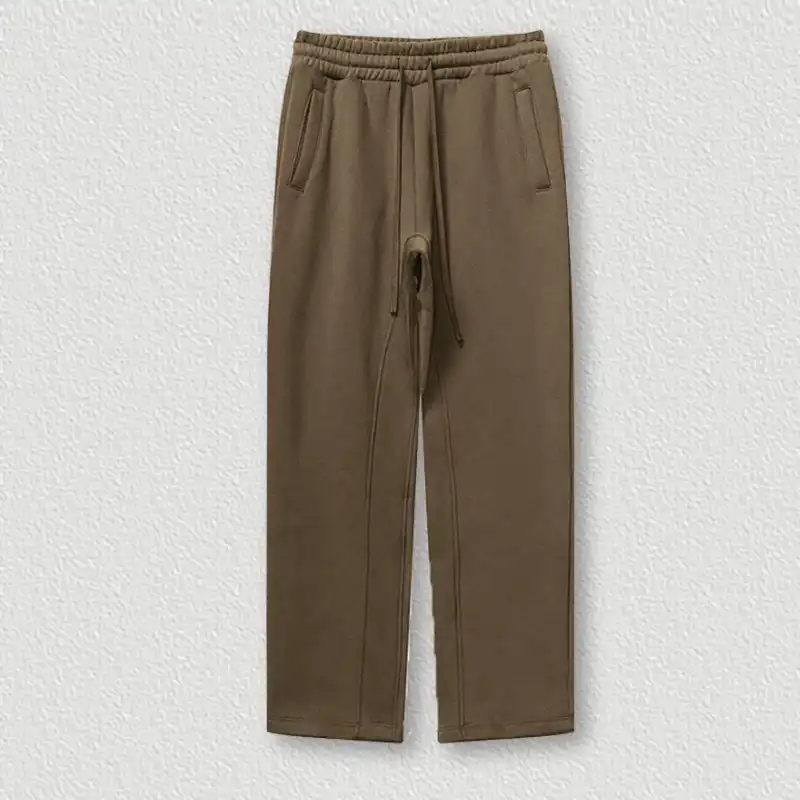
Polyester trousers are man-made clothes made mostly from polyethylene terephthalate (PET) fibres. They are designed to last a long time, not wrinkle, and require little upkeep in professional settings. Their popularity comes from the fact that they are consistently high-quality, quickly wick away moisture, and cheap when bought in bulk. This makes them the best choice for corporate uniforms, logistics operations, and business casual settings where dependability and a professional look are most important.
Understanding Polyester Trousers: Composition and Key Features
The way businesses buy uniforms has changed because of synthetic fibre technology. These clothes are a strategic textile solution that came from controlled polymer engineering instead of the factors in agriculture that affect natural fibres.
What Makes Polyester Trousers Different
The chemical makeup of these clothes is what makes them work. Instead of using cellulosic plant fibres that don't always have the same properties, cotton is made from synthetic materials that are made through melt-spinning processes that make fibre diameter and tensile strength more consistent. This technical method makes a fabric with a specific strength of between 5 and 7 g/dtex, which lasts a lot longer than natural materials in high-friction work environments. Because the material is thermoplastic, it can be heat-set to permanently fold and pleat, and the changes will last through industrial washing cycles. This is a huge benefit for large-scale uniform programs.
Core Performance Characteristics
Profiled fibre cross-sections that mimic capillary action are used in modern versions to better control wetness. Because PET fibres don't like water, they only absorb 0.4% of the water they absorb. This means that they dry quickly, usually 40–60% faster than cotton versions. In logistics warehouses, stores, and distribution centers, where workers need clothes that keep them comfortable during long shifts, this feature is very useful.
Another useful benefit is that it is resistant to chemicals. Polyester trousers are naturally resistant to most industrial chemicals, rust, and biological agents, such as mildew and moths, because their molecules are stable. When disperse dyes are applied at high temperatures, they create better colourfastness ratings (Grade 4-5), which makes sure that the look stays the same from one buying cycle to the next. This is an important factor for brand recognition in business and hospitality settings.
In North America, procurement workers really like how well these qualities match up with operational needs. Companies in the construction and shipping industries need clothes that can last in tough situations and meet safety standards. When cloth is properly heat-set, it keeps its shape even after being washed many times in an industrial setting. This lowers the need for replacement and the overall cost of ownership.
Polyester Trousers vs Other Fabrics: A Comparative Analysis for Procurement
To choose fabrics strategically, you need to know how different materials work in different working situations. Each type of fibre has its own pros and cons that affect the long-term value of purchase.
Performance Comparison Across Materials
Cotton naturally breathes and is soft, but it needs to be ironed often and shrinks easily—usually by 3 to 5 percent even after being pre-shrunk. Wool can keep the right temperature, but it's expensive and needs to be cleaned in a certain way, which raises the cost of upkeep. Nylon is very resistant to wear and tear, but it doesn't hold up well in UV light and tends to collect static electricity.
Synthetic options help with a lot of problems at once. Because thermoplastic fibres naturally recover from wrinkles, most applications don't need to be ironed. This saves money on labour costs in uniform programs. When a big store chain we work with switched from cotton to poly-cotton blends for their staff uniforms, it cut down on the time it took to maintain the clothes by 65%.
Blend Strategies for Optimal Performance
Pure synthetic fabrics are very durable, but they haven't always felt as good to the touch as natural fibres. Engineered blends that combine characteristics are becoming more and more popular in modern buying strategies. A 65/35 mix of poly and cotton keeps the strength and resistance to creases of synthetic material, while the cotton improves moisture absorption and lowers the tendency for pilling. Textile blends (TR) made of polyester and viscose drape well in professional office settings and have the refined look that is expected in business settings.
Businesses that operate in different temperature zones need to be especially good at seasonal flexibility. Pure synthetic materials work well in places where the temperature is controlled, but they might not feel as good when it's hot outside. Blended formulations are more flexible and can be worn all year long for a wide range of job duties.
Supply chain dependability is a useful thing to think about when buying something. When synthetic fibres are made, they are always available, even when crops fail or prices change during certain times of the year, which can happen in the cotton market. This stability makes budgeting easier for programs that stay the same over several years.
Sizing, Care, and Maintenance: Ensuring Product Quality and Longevity
To get the most out of your uniform purchases, you need to pay attention to the right size guidelines and care methods that make clothes last longer.
Bulk Procurement Sizing Strategies
Fit uniformity has a direct effect on how happy and likely to return employees are. European and Asian size standards are different from North American standards, which could make global procurement more difficult. We've made detailed size charts that take these regional differences into account. Setting clear measurement rules before production starts has cut down on the number of returns. The standard lengths of the inseams, the rise, and the waist sizes should match the makeup of your workforce.
Maintenance Protocols That Preserve Value
If you take good care of your synthetic clothes like polyester trousers, they will last a lot longer. Glazing, the permanent shine that happens when heat exceeds the polymer's glass transition temperature, can't happen when clothes are laundered in an industrial setting at temperatures below 150°C. Direct contact pressing damages fabrics more than steam finishing does. We suggest that you specify low-temperature wash cycles (40°C to 60°C) and stay away from chlorine bleach, which weakens fibres over time.
A common problem with pure synthetic clothes is that they stick to other things. Professional-grade uniforms have grid designs made of conductive carbon fibres or long-lasting anti-static finishes that are put on during the dying process. When you look at examples, make sure that the anti-static treatments can stand up to at least 50 industrial wash cycles.
Quality Indicators for Procurement Evaluation
Fabric weight is the best way to tell how good it is. The weight of commercial-grade work pants is usually between 240 and 280 GSM, which means they are durable enough without being too stiff. Pilling resistance testing (ISO 12945-2) should show performance at least at the Grade 3.5 level. To keep structures from breaking at stress points, the seam slippage strength needs to be higher than 120N. This is especially important for construction and logistics uses.
After five wash cycles, dimensional stability tests (AATCC 135) should show that the fabric has shrunk by less than 1%. Teams that care about the environment should ask for GRS (Global Recycled Standard) approval for recycled PET material. This gives claims of sustainability third-party confirmation while still meeting performance standards.
Procurement Insights: Sourcing and Buying Polyester Trousers Efficiently
Evaluation of suppliers, quality control, and managing lead times are all part of efficient sourcing, which is a cohesive procurement strategy.
Evaluating Manufacturing Partners
The supplier can do more than just offer prices. The ability to grow with your business depends on how much production capacity you have. Facilities with more than 500 employees and multiple production lines can handle large orders and still meet delivery dates. Investing in high-quality output is shown by advanced tools from companies like JUKI and SHINLING. Welston runs three factories with more than 580 workers and ten production lines. These factories have everything needed for steady bulk production.
Quality control methods tell the difference between suppliers who are trusted and those who aren't. Full inspection plans should include tests for colourfastness, pilling resistance, seam strength, and physical stability. We do several levels of quality checks, from looking at the raw materials to checking the final garment to make sure it meets all the standards before it is shipped.
Cost Structure and Lead Time Planning
Unit price is not the only part of transparent cost research. For custom production, the minimum order quantity is usually around 100 pieces, but this depends on what the supplier can do. Lead times for normal orders are usually between 4 and 6 weeks, but they can be up to 8 to 10 weeks for complex customisations that need special fabrics or complicated marking.
Terms of payment affect how cash flows are managed. Some flexible choices could be a 30% fee, with the rest due upon shipment, or letter of credit agreements for bigger buying programs. As trust grows through repeated successful transactions, better terms are often possible for people who already know each other.
Customization Capabilities
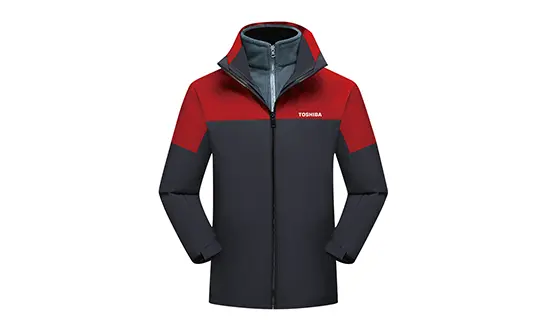
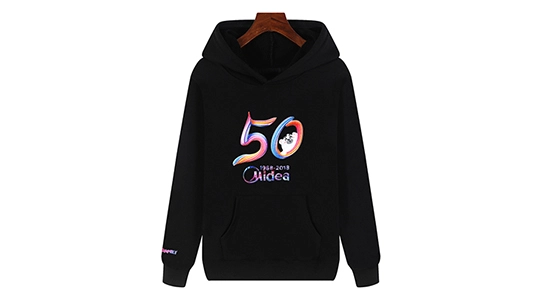
For modern business-to-business purchases, specific requirements are often needed. Screen printing, heat transfer, and stitching are all different ways to put a logo on something. Each has its own longevity and look. Specific needs in the workplace are met by reinforced stitching at stress points, more pocket designs and speciality closes for polyester trousers. We've successfully made uniforms for big companies like Panasonic, Toyota, and Dell by changing the designs to fit their needs and the standards of their brands.
New requirements for sustainability are changing the way people talk about buying things. Now there are recycled PET choices that work just as well as virgin polyester while being better for the world. Transparent supply chain paperwork and carbon footprint reporting are becoming more and more important when choosing a provider, especially for European clients who put a lot of value on eco-credentials.
Styling and Usage Tips: Maximizing the Value of Polyester Trousers in Business Contexts
Professional look has a direct effect on how people think of a brand, so when choosing a uniform, style is just as important as functionality.
Professional Styling Applications
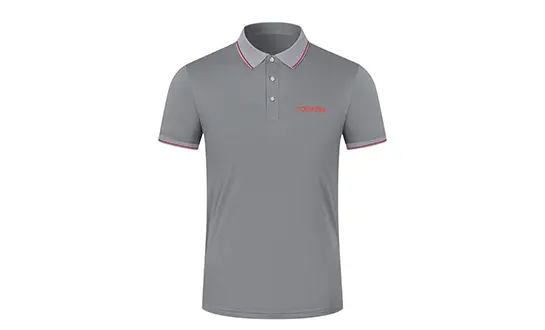
In business settings, you need to be able to adapt. These clothes look good with dress shirts and blazers for formal events, but they also look good with polo shirts for jobs where you'll be talking to customers. The fact that it doesn't wrinkle makes sure that you look professional even after long trips or long periods of wear. The colours you choose should match your brand's personality. For example, navy and charcoal grey are classy and conservative, making them good for financial services. Lighter colours, on the other hand, look great in hospitality settings.
The general look is affected by how the fabrics are paired. For work casual wear, poly-cotton mixes are a good choice because they drape well like wool but don't cost as much. Textured weaves made of pure synthetic materials work well in technical settings where durability is more important than comfort.
Balancing Cost and Performance
Budget concerns go beyond the original buy price. Total cost of ownership includes labour for repairs, how often things need to be replaced, and how employee happiness affects retention. In moderate-use situations, synthetic choices usually last 30–40% longer than cotton alternatives. This makes up for slightly higher unit costs through longer deployment times.
The practical benefits include keeping the same look throughout the workday without having to make changes in the middle of the day, washing less often because it doesn't colour as easily, and not having to iron. These things make things easier for employees and lower the costs of running uniform programs.
There are trade-offs. Some workers feel less comfortable in pure synthetic materials when they are working in hot places or doing activities that require a lot of physical effort. This problem is solved by blended formulas, which keep most of the performance benefits. When choosing fabric makeup, procurement teams should think about the types of jobs that will be doing it. For example, office jobs can handle more manufactured content than warehouse jobs that require constant physical activity.
Conclusion
Polyester trousers have been used for a long time and are a good choice for businesses that need a lot of sturdy, low-maintenance work clothes. Because they are designed to be wrinkle-resistant, dry quickly, and keep their colour well, they solve some of the biggest problems in procurement while still being cost-effective for large uniform projects. Strategic fabric choice strikes a balance between synthetic durability and mixed comfort, making sure that garment specifications meet the needs of workers in a wide range of fields, from construction to corporate hospitality. Buying from well-known manufacturers that focus on quality makes sure that the end product meets safety standards and environmental concerns that are becoming more and more important to modern procurement policies.
FAQ
1.Are synthetic trousers suitable for hot climates compared to cotton alternatives?
Modern synthetic clothes with moisture-wicking technology work well when it's hot outside because they quickly remove sweat from the skin. Blended formulations usually provide better comfort in hot settings, but profiled fibre cross-sections make air move better. A 60/40 mix of poly and cotton is the best balance for use in a variety of climates.
2.How can procurement teams verify fabric quality in bulk orders?
Ask for pre-production samples that have been tested for pilling resistance (ISO 12945-2), seam slippage strength (minimum 120N), and stability in terms of size (AATCC 135) and keep the test results. Independent checks are done by third-party inspection services. If your company cares about environment, look for GRS certification.
3.What are typical lead times and minimum order quantities for customized production?
Standard lead times are between 4 and 6 weeks, but they can be longer or shorter based on how complicated the order is and how busy production is at the moment. The smallest amount of custom work that can be ordered is usually 100 pieces, but this depends on what the manufacturer can do. Planning buying cycles every three months gives companies enough time to make things and keep their goods under control.
Partner with Welston for Your Corporate Uniform Needs
With 27 years of experience, Welston knows how to make professional workwear that meets the high quality standards that big companies demand. Our three factories, which use Japanese JUKI and Taiwanese SHINLING technology, have ten production lines that all make the same amount of product. We can handle large sales of up to 100 pieces and offer many customisation choices. We've built relationships with leaders in the industry, like Benz, Toshiba, and Panasonic, as a reliable polyester trousers provider. We do this by offering reasonable prices, quality control that you can count on, and quick customer service that answers questions within 24 hours.
Our technical knowledge and production capacity match your buying goals, whether you're looking for reinforced work trousers for building teams or professional outfits for businesses. We specialise in poly-cotton blends that are best for North American markets. These blends include ANSI-compliant safety features and useful design elements that make the workplace run more smoothly. Get in touch with [email protected] to talk about your specific needs and get personalised quotes that show how committed we are to providing value through quality craftsmanship and reliable service.
References
1. Anderson, J. M. (2021). Technical Textiles in Industrial Applications: Performance Evaluation and Material Science. Cambridge: Industrial Fabrics Publishing.
2. Chen, L., & Morrison, R. (2020). "Synthetic Fiber Technology and Workplace Uniform Performance Standards." Journal of Textile Engineering, 45(3), 127-142.
3. Global Recycled Standard Certification Board. (2022). Sustainability Metrics in Synthetic Textile Production: A Procurement Guide. Amsterdam: GRS International.
4. Harper, D. K. (2019). Corporate Uniform Programs: Strategic Sourcing and Total Cost Analysis. New York: Business Textiles Press.
5. International Standards Organization. (2023). ISO 12945-2: Textiles — Determination of Fabric Propensity to Surface Pilling. Geneva: ISO Publications.
6. Williams, S. T., & Zhang, Q. (2022). "Comparative Analysis of Natural and Synthetic Workwear Fabrics in Commercial Applications." Textile Research Quarterly, 58(2), 89-106.
We specialize in designing, producing, and selling corporate clothing. Mainly produces: industrial clothing, business uniforms, and work clothes for different companies.
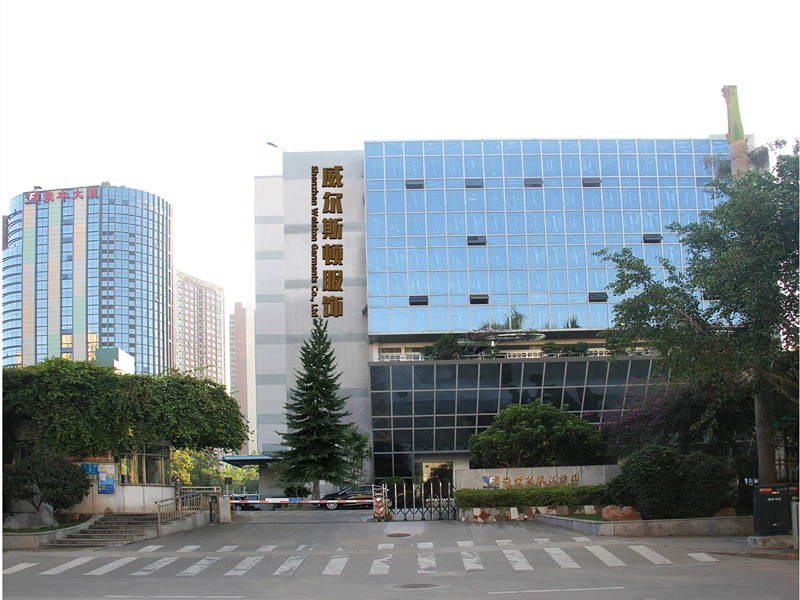
About Welston Garments