The Benefits Of Using Hi-Visibility Vest
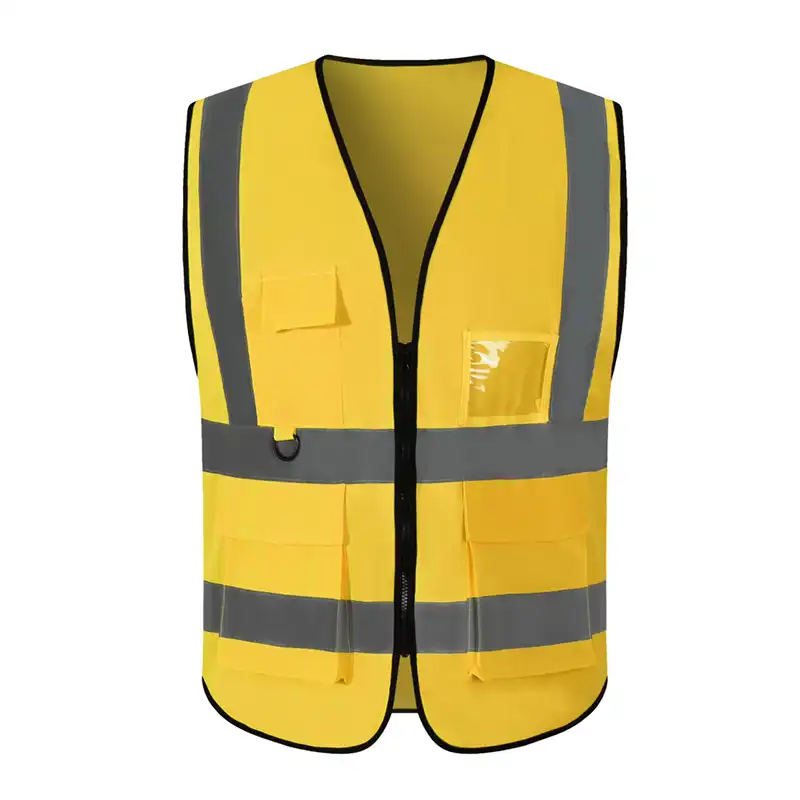
High-quality Hi-Vis Vests are one of the best purchases you can make to keep your workplace safe. These important safety clothes make it much easier for workers to see in dangerous places, which lowers the risk of accidents on building sites, in stores, during logistics operations, and on roadside projects. A fully approved Hi-Vis Vest uses both fluorescent background materials and retroreflective tape technology to make sure workers are seen in both bright and dim light. In addition to protecting workers, these jackets help companies meet strict government rules, lower their insurance costs, and show they care about their workers' well-being. Procurement managers in North America and around the world know that choosing the right high-visibility clothing has a direct effect on operating safety and managing risk.
What is a Hi-Visibility Vest and Why It Matters?
Understanding the Core Function of Safety Vests
Hi-Vis Vests are different from other clothes because they work on two basic sight concepts. During the day, fluorescent cloth changes ultraviolet light into colors that can be seen. This makes bright contrasts against backgrounds that aren't very clear. When it's dark outside or at night, retroreflective tape directs light from sources like car headlights back toward the driver. This makes workers visible from more than 1,000 feet away. This two-layer protection method tackles the main danger at work, which is "struck-by" accidents, which are still the main cause of fatalities in the US and Canada's transportation, building, and industry sectors.
Regulatory Standards That Define Quality
High-visibility safety clothing made today has to meet strict standards set by official groups. In North America, the ANSI/ISEA 107-2020 standard sets out three performance groups based on the amount of risk. Class 1 vests are good for low-risk areas with little exposure to traffic, and Class 2 vests are good for people who are close to cars going less than 50 mph. Class 3 gives highway building workers and first responders who have to deal with fast traffic the most safety. European markets follow EN ISO 20471 standards, which have similar rules about the amount of background material, where to put bright tape, and how long the color will last. These frameworks make sure that quality is the same across all foreign avenues of procurement.
Evolution Through Technological Innovation
Material science has come a long way over the years, from simple bright strips to today's high-tech safety suits. Early versions used glass bead technology for retroreflection, but it wasn't very durable or flexible at angles. These days, Hi-Vis Vests use micro-prismatic cube corner optics that keep the brightness even at wider viewing angles and can be washed many times without losing its effectiveness. Manufacturers like Welston have helped this change happen by adding breathing polyester mesh fabrics, moisture-wicking qualities, and ergonomic cuts that meet safety standards and keep workers comfortable all day for long shifts.
Key Benefits of Using Hi-Visibility Vests in the Workplace
Proven Accident Prevention Through Enhanced Visibility
There is a lot of proof from statistics that wearing high-visibility clothes makes the workplace safer. Occupational safety groups have found that places of work with complete Hi-Vis Vest programs have up to 47% fewer incidents of workers being hit by other vehicles than places where vests are only used sometimes. High-contrast colors and bright materials are naturally picked up by the human eye faster than regular workwear. This gives machine workers and drivers important extra time to respond. During dawn, dusk, and nighttime operations—when most accidents happen at work—people wearing safety vests make a bright outline that stands out and lets others know they are there.
Regulatory Compliance and Risk Management
Businesses avoid expensive fines by following OSHA rules and ANSI standards. This also shows that they care about following safety rules at work. Companies that keep records of their high-visibility vest plans follow the law and build a strong defense against lawsuit claims. Insurance companies are becoming more aware of how important approved safety clothing is for lowering risks. As a result, they often offer lower premiums to businesses that have complete PPE programs. In addition to saving money, following the rules builds good relationships with government inspectors and shows moral concern for the well-being of employees, both of which are good for a company's image in North American markets that are very competitive.
Versatility Across Multiple Industries
Hi-Vis Vests can be used for a lot of different things besides building sites. These clothes are used in warehouses to protect workers who have to deal with forklifts and blind places. Outdoor event organizers make sure that parking workers and security staff are dressed in a way that makes them visible during evening events. High-visibility vests made for civilians are worn by cyclists and casual athletes early in the morning and late at night. Even the hotel industry uses stylish safety vests for valet parking and repair teams who work outside. Because they can be used in a lot of different industries, hi-vis vests are a good choice for companies that have to deal with different work settings or yearly staffing changes.
Cost-Effectiveness and Durability Considerations
Buyers who are thinking about buying hi-vis vests need to weigh the costs of the purchase against the benefits they will provide in the long run. Disposable jackets are cheaper at first, but they need to be replaced often, which adds to your costs and makes it harder to keep track of your supplies. Premium jackets that can be used more than once are made of sturdy polyester tricot. They can handle being washed in industrial settings and keep their photometric performance after hundreds of cycles. When businesses figure out the total cost of ownership, they should look at things like how long the material lasts, how well bright tape sticks, and how long the colors stay the same. By making bulk purchases with well-known makers, you can save money and make sure that the size and quality of your orders are always the same across big workforce deployments.
How to Choose the Right Hi-Visibility Vest for Your Business?
Essential Decision-Making Criteria
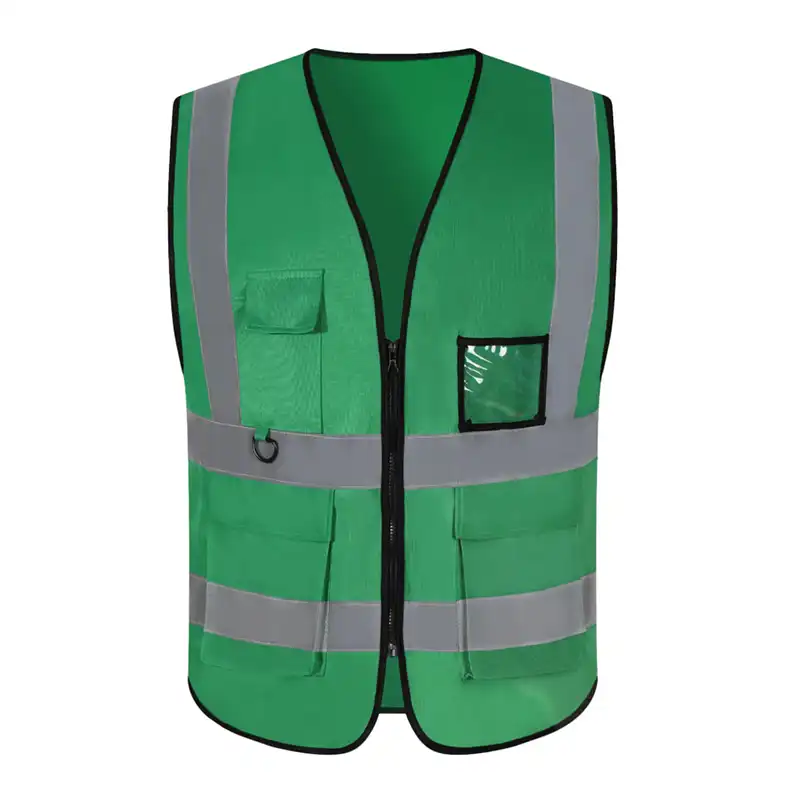
To choose the right Hi-Vis Vests, you need to carefully look at a number of technical factors. How breathable, durable, and comfortable something is to wear for long amounts of time depends on what it's made of. Polyester mesh designs work well in warm places because they let air flow, while solid tricot fabrics keep out the wind for winter work outside. Visibility is affected by the width and placement patterns of reflective tape. Both horizontal and vertical configurations make recognizable human silhouettes that help with spotting in difficult visual settings. Purchasing managers should make sure that potential vests meet the ANSI class standards for the specific work area and have safety features like breakaway closures to keep workers from getting tangled up near moving machinery.
Customization Options for Brand Visibility
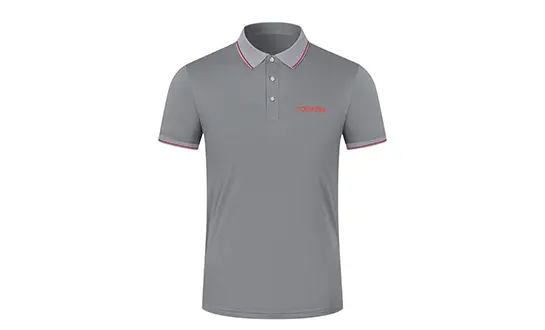
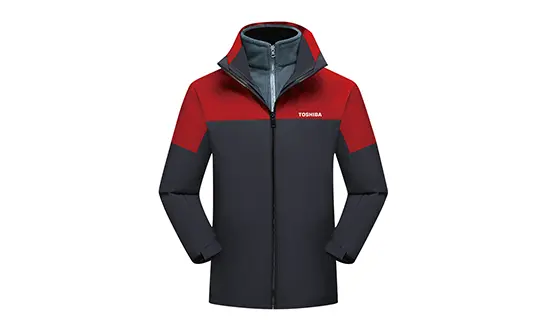
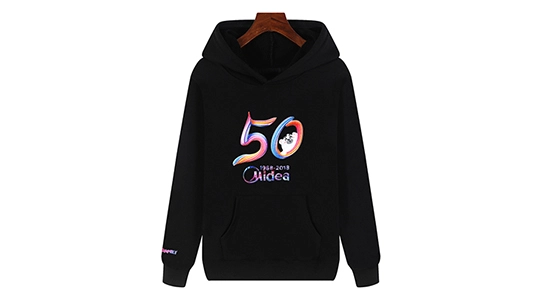
When Hi-Vis Vests can be customized with a company's logo, they can be used as mobile marketing tools while still meeting visible standards. Businesses can show off their logos without sacrificing shiny areas by using screen printing, heat transfer, and stitching, among other methods. Customized sizing makes sure that everyone in the workforce has the right size, which increases comfort and compliance. Welston specializes in unique solutions for business clients. They offer open personalization options, such as choosing the color, logo placement, and pocket configurations, with a minimum order quantity of 100 pieces. These personalized touches strengthen the brand's character during activities that people will see and show that professionals are paying attention to safety rules.
Comparative Market Overview
Leading manufacturers offer different value packages that fit different buying needs. Well-known companies like 3M promote cutting-edge retroreflective technology that comes with promises of longer durability. Carhartt focuses on tough materials and comfort features that people who work outside in tough situations like. Portwest has options that are affordable in terms of price and a wide range of products that cover a number of ANSI classes. Three decades of experience making business uniforms sets Welston apart. The company runs three factories with modern JUKI and SHINLING machinery. This production capability allows for quick turnaround on large orders while still meeting the strict quality control standards that Panasonic, Mercedes-Benz, and Toyota expect.
Bulk Purchasing Strategies and Negotiation Tactics
Strategic methods to buying make the best use of budgets and ensure reliable supply lines. Volume-based price systems lower the cost per unit when you make a bigger commitment. This makes bulk orders appealing for businesses that need to outfit more than one location or for seasonal workforce increases. Long-term ties with suppliers allow for better payment terms and earlier ordering of production during times of high demand. Before finalizing large orders, procurement professionals should ask for samples and try them in the field to make sure they are comfortable, durable, and reflective in real working circumstances. Negotiating flexible shipping plans is a good way to keep stocking costs low and make sure there are enough items in stock at all times.
Maintaining Hi-Visibility Vests to Maximize Longevity and Performance
Proper Cleaning Protocols
To keep the optical performance, you need to follow the manufacturer's cleaning instructions. Most good Hi-Vis Vests can be washed in a washing machine with warm water and light soaps. However, harsh chemicals and bleach break down bright dyes and damage the adhesives on retroreflective tape. Abrasive damage can be avoided by washing jackets separately from clothes that are very dirty, and air drying is better for fabric stability than high-heat tumble drying. Businesses that have a lot of vests should set up regular washing processes that make the clothes last longer and make sure that everyone in the company looks the same. Regular checks during cleaning rounds find broken vests that need to be replaced before they stop working properly.
Storage Best Practices
The environment during holding times has a big effect on how long vests last. Long-term contact to direct sunshine fades fluorescent cloth, making it less useful for daytime visibility. Mildew and cloth damage happen more quickly in damp storage areas. The best ways to store things are in climate-controlled spaces with enough air flow, using hanging racks or flat shelves that keeps things from bending or damaging tape, and keeping the space cool. Individual clothing bags keep vests safe from dust and wear and tear while they are being moved or stored for the season. Using organized inventory systems with rotation rules makes sure that earlier stock is used up before newer purchases are made. This keeps unwanted vests from going out of date before they can be used again.
Replacement Guidelines and Compliance Management
Based on clear signs of wear and legal standards, safety managers must set clear replacement criteria. If the reflective tape has cracks, peeling edges, or less shine, it doesn't meet safety guidelines and needs to be replaced right away. When it's daylight, fluorescent cloth that has faded or changed color a lot loses its ability to contrast. ANSI guidelines say that jackets should be thrown away when they show signs of damage, no matter how old they are, because safety performance should come before cost. Recording the times when vests were issued and doing regular checks makes people responsible and shows that they are following the rules during regulatory audits. Replacement costs are planned for by progressive groups as normal operating costs rather than purchases that can be made at any time.
Conclusion
Hi-Vis Vests are an important part of all-around safety programs in the workplace. These clothes are necessary for responsible companies all over North America because they have been shown to reduce accidents by a large amount, make sure that regulations are followed, work well in many different industries, and are cost-effective. The best purchase choices provide the most protection by using the right selection criteria that balance technical specs, customization options, and source trustworthiness. Welston has been dedicated to making the best corporate uniforms for 30 years. This makes us a reliable partner for businesses that need certified quality, open design, and reliable supply chain performance. Our production skills meet the needs of a wide range of businesses for safety clothing, including those in building, logistics, hospitality, and the outdoors. We always stick to international standards.
FAQ
1. Are Hi-Vis Vests Waterproof for Outdoor Work Conditions?
Standard Hi-Vis Vests put more emphasis on being visible and breathable than on keeping you dry. Most of them are made of polyester mesh or tricot fabrics, which can handle light wetness but not rain. Businesses that need choices that can withstand bad weather should ask for waterproof high-visibility jackets with sealed seams and water-repellent coatings that still have the needed bright areas. Although these specialty clothes are more expensive than regular jackets, they provide important protection for outdoor workers who have to deal with bad weather during yearly operations.
2. What Distinguishes Vests from High-Visibility Jackets?
Hi-Vis Vests are great for warm weather and indoor situations where temperature control is important because they are light and don't limit arm movement. With their arms, jackets cover the body more, meeting ANSI Class 3 standards for high-risk areas with fast-moving traffic. More bright material is used in jacket designs, which improves biomotion recognition, which means that drivers can see how people move. When buying clothes, decisions should be made based on specific risk assessments and the situations people face in their normal jobs.
3. How Do Color Choices Impact Safety Effectiveness?
Fluorescent lime-yellow is still the most noticeable color on a wide range of surfaces and in all kinds of lights, so it is usually used for general purposes. Orange-red stands out better against green plants and natural settings, which is helpful for forests and outdoor care work. In some places, emergency workers and utility workers have to wear certain colors so that they can be quickly identified during events involving more than one agency. When choosing vest colors for deployment, procurement teams should check local rules and take working settings into account.
Partner with Welston for Your Hi-Vis Vest Requirements
As a committed maker of Hi-Vis Vests for business clients in North America, Europe, and Asia, Welston has unmatched knowledge. Over 580 trained workers in our three factories run 10 production lines and use modern JUKI and SHINLING equipment to make sure the quality is always the same. We know that safety programs work best when they have reliable providers who can adapt quickly to changing needs. That's why our dedicated service team is available 24 hours a day, 7 days a week to help with requests for customization, changes to sizes, and shipping schedules. Welston offers certified high-visibility clothing that meets ANSI and EN standards. Minimum orders start at 100 pieces, and they can be used to outfit building groups, warehouse teams, or event staff. Get in touch with [email protected] to talk about your unique needs and get full quotes for custom bulk sales.
References
1. American National Standards Institute. (2020). ANSI/ISEA 107-2020: American National Standard for High-Visibility Safety Apparel and Accessories. International Safety Equipment Association.
2. Sayer, J.R. & Buonarosa, M.L. (2018). The Effects of High-Visibility Safety Apparel on Driver Behavior in Nighttime Work Zone Conditions. Transportation Research Record: Journal of the Transportation Research Board.
3. European Committee for Standardization. (2013). EN ISO 20471:2013 High Visibility Clothing - Test Methods and Requirements. International Organization for Standardization.
4. Occupational Safety and Health Administration. (2019). Worker Safety Series: High-Visibility Safety Apparel. United States Department of Labor.
5. Projects, D.W. (2017). Visibility Research: The Science Behind High-Visibility Clothing Performance. National Institute for Occupational Safety and Health Technical Report.
6. Khoo, T.H. & Landsdown, T.C. (2021). Photometric Performance and Durability Testing of Retroreflective Materials in Occupational Safety Apparel. Journal of Safety Research, Volume 76, Pages 234-247.
We specialize in designing, producing, and selling corporate clothing. Mainly produces: industrial clothing, business uniforms, and work clothes for different companies.
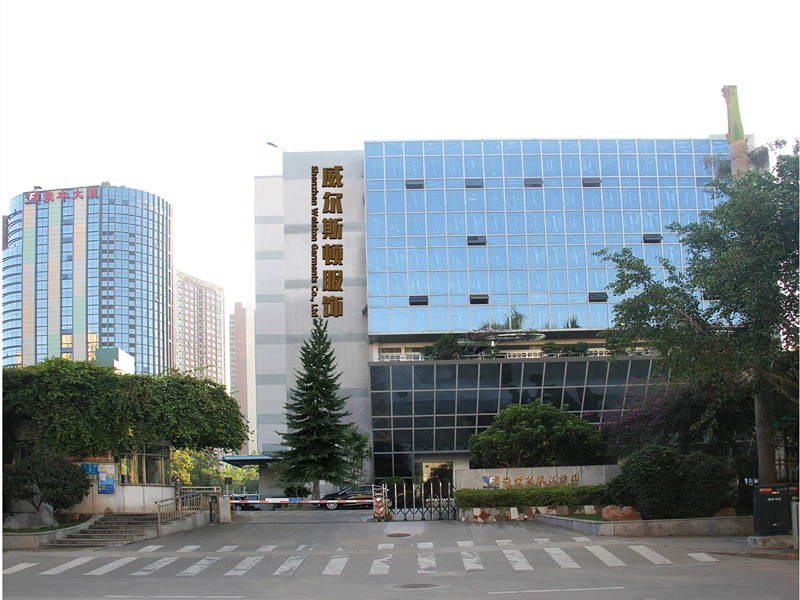
About Welston Garments