The Evolution and Importance of High-Visibility Vest
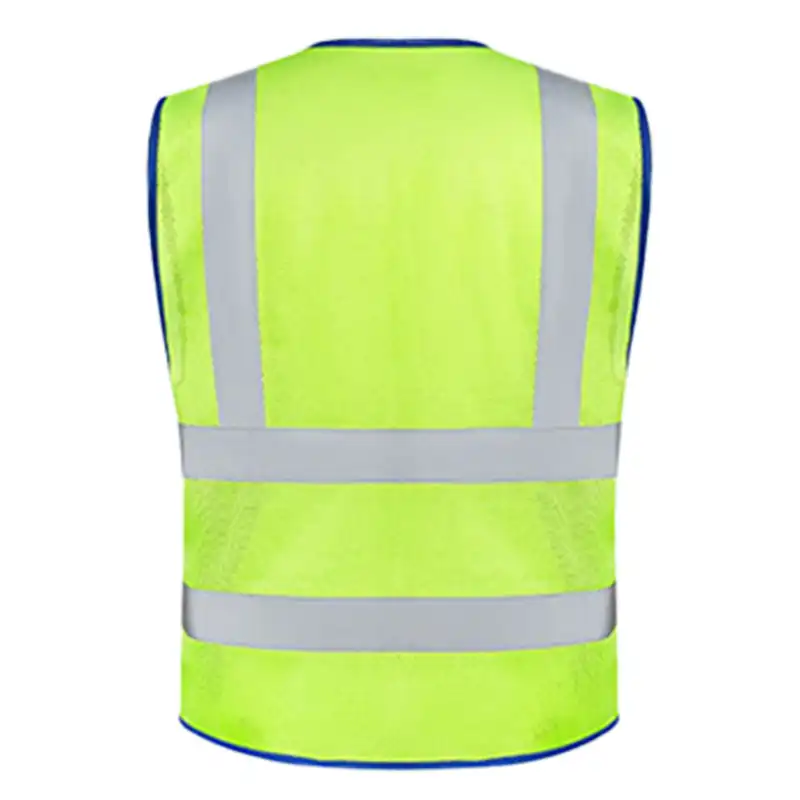
High-visibility apparel has transformed workplace safety across multiple industries, with the Hi-Vis Vest serving as the cornerstone of personal protective equipment in environments where worker conspicuity is paramount. From construction sites to logistics warehouses, these specialized garments address critical safety challenges by enhancing worker visibility through fluorescent materials and retroreflective tapes. The evolution from rudimentary safety wear to sophisticated, standards-compliant designs reflects our growing understanding of occupational hazards and the technological innovations that continue to protect workers in low-light and high-traffic environments worldwide.
The Evolution of High-Visibility Vests
From Basic Safety Gear to Advanced Protection
In the middle of the 20th century, when worker visibility problems were becoming a very common problem, the first high-visibility safety clothing was made. Early safety vests didn't offer much protection because they were usually made of one color of cloth and didn't have any reflective features. Road building, railroad upkeep, and activities that happened at night put workers at great risk that simple clothing couldn't protect them from.
When bright materials were first used in the 1960s, things changed drastically. During the day, these materials turned ultraviolet light into visible light, making them glow brightly. This new technology made it much easier to see during the day, but it wasn't good enough for safety at night. Later, retroreflective tape technology changed the idea of the Hi-Vis Vest by reflecting light right back to its source. This made workers visible to drivers of vehicles from more than 1,280 feet away.
Standards That Changed the Industry
Regulatory systems ensure safety vest consistency. North America’s ANSI/ISEA 107 and Europe’s EN ISO 20471 set photometric/colorimetric standards, defining three risk-based classes: Class 1 (low-risk), Class 2 (moderate traffic), Class 3 (high-speed roads), each with minimum background material and reflective tape placement. Construction industry data links proper high-visibility vest use to 15–30% accident reduction, with similar warehouse logistics improvements.
Understanding the Key Components and Types of Hi-Vis Vests
Material Science Behind Visibility
These days, high-visibility vests are made from special materials that were designed to have certain optical qualities. The base of most patterns is fluorescent polyester mesh, which lets air flow while keeping colors bright. The cloth has to follow strict chromaticity coordinates so that shades of lime-yellow, orange-red, or pure red keep their brightness even after being exposed to UV light for a long time and being washed many times.
The most important safety feature for nighttime Hi-Vis Vest is retroreflective tape. The market is mostly made up of two technologies: glass bead systems use spherical optics to reflect light in all directions, and micro-prismatic tapes use cube corner technology to get better angles and brightness. The coefficient of retroreflection is usually higher than 330 candelas per lux per square meter, which makes it possible to see from a variety of approach angles.
Vest Categories for Different Applications
There are many different styles of safety vests, each made to meet specific practical needs. Knowing about these differences helps procurement workers match goods to the needs of the workplace:
1. Standard Safety Vests: These light vests are good for places where sight isn't too bad. Because they are made of nylon mesh, they let a lot of air pass through, which is great for warehouses and distribution centers that are inside. While still meeting Class 2 standards, the simple form lowers heat stress during long periods of wear.
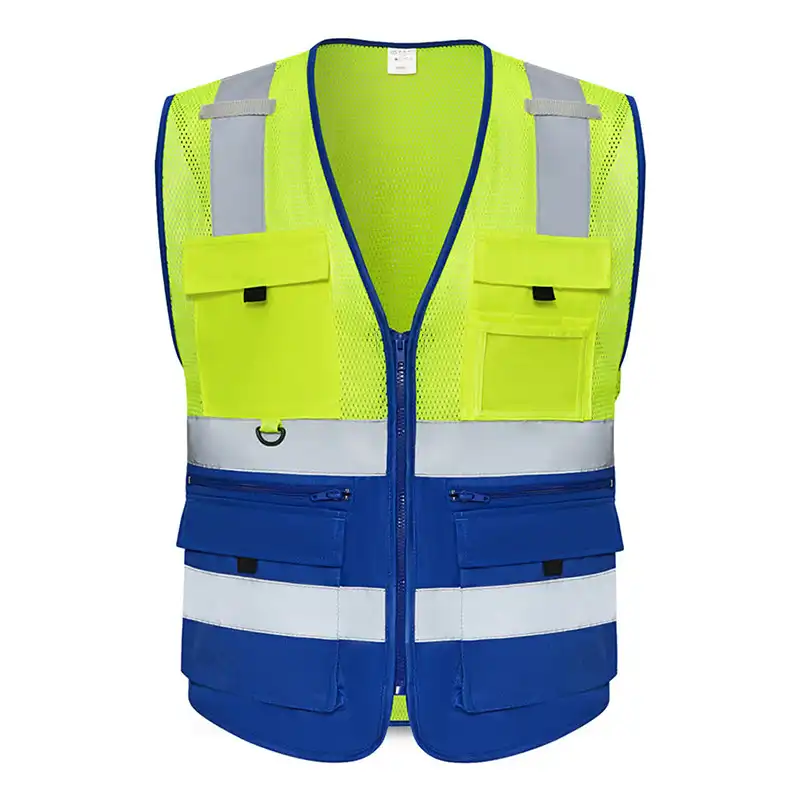
2. Heavy-Duty Work Vests: Jobs that need extra usefulness benefit from vests with lots of pockets, strong stitching, and long-lasting cloth construction. These designs keep the high-visibility features while allowing for tool storage and equipment connection. These better choices are often asked for by manufacturing plants and industrial repair teams.
3. Breakaway Safety Vests: Special tear-away designs are needed for places where tangling is a risk. Five-point release methods keep machines from getting stuck, which could hurt people badly. These safety features are given more weight than visibility standards in places with a lot of equipment, like conveyor operations, automated factory lines, and places with a lot of equipment.
Choosing between mesh and solid fabric design changes how comfortable you are and how long the fabric lasts. Mesh is better for physically hard jobs because it lets more air flow through, while solid polyester tricot is better for outdoor uses because it blocks wind better. Color choice isn't just based on personal taste; area laws and business norms also dictate which colors are appropriate for different types of workers.
How to Choose the Right High-Visibility Vest for Your Business Needs?
Assessing Your Operational Environment
A thorough study of the workplace is the first step to effective buying. The right safety rating is based on the speed of the traffic, the lights, and the way workers move around. Class 3 protection is needed on construction sites near highways, with sleeves that cause biomotion effects. Class 2 vests may be enough for buildings inside, though.
Environmental factors have a big effect on the choice of materials. Extreme temperatures, being exposed to moisture, and the chance of chemical touch all have an effect on how well cloth works. In wet places, polyester mixes that wick away moisture are good for operations. On the other hand, places where flash fires are possible should look at flame-resistant options that meet ASTM F1506 standards.
Establishing Selection Criteria
Expectations about Hi-Vis Vest durability have a direct effect on long-term value. When vests are used in rough situations, they need seams that are strengthened and materials that are thick. Dimensional stability testing makes sure that clothes keep their shape and safety features even after being washed many times. Vests of good quality shrink by less than three percent and keep their color through normal washing processes.
Compliance rates are affected by how comfortable people are. People who find safety vests difficult often don't wear them correctly, which takes away from their protection benefits. Different body types can wear clothes with locking systems that can be adjusted, and light materials keep workers from getting tired during long shifts. To find the right mix between strong safety and comfort for the wearer, ergonomic features must be carefully considered.
Customization makes an organization's character stronger and makes workers more accountable. Placing logos, integrating company colors, and using identification systems all help make brands more visible while also following security rules. To buy a lot of customized vests, you need to work with makers who know the minimum order amounts and production times. Welston specializes in professional uniforms, and the minimum order size is just 100 pieces. They offer full customization options through screen printing, water-based applications, and heat transfer technologies.
Procurement Best Practices: Sourcing High-Visibility Vests Globally
Strategic Supplier Partnerships
It is possible to cut costs by using global sources without lowering safety standards. Manufacturers with well-established quality control systems and licensing paperwork offer dependability that helps meet compliance requirements. When checking a supplier's credentials, you should look at third-party test results, see what the production site can do, and see how responsive the contact routes are.
Shenzhen Welston Garments Co., Ltd. is a great example of professional production skills that have been built up over 26 years of specializing in business uniforms. Ten separate production lines are run by more than 580 skilled workers in our three factories. Japanese JUKI and Taiwanese SHINLING machines make sure that cutting, sewing, and finishing are done precisely and to the high standards expected by people around the world.
Customization and Branding Integration
Before we start making list points, it's important to note that customization turns plain safety gear into unique company assets. Professional makers offer a range of ways to customize clothes that keep them looking good while still making a mark.
Here are the core customization capabilities that enhance procurement value:
- Logo Application: Screen printing and stitching are long-lasting ways to brand things that can handle industrial washing. Placement choices include the chest, back, and sleeve, all of which meet visible standards and show off the company logo.
- Color Coordination: You can make your own background colors that are safe and match your brand. Different shades of orange, yellow, and green can match business color schemes while still having the fluorescent qualities needed to meet standards.
- Size Standardization: For bulk sales, using uniform sizing rules that make it easier for workers from all backgrounds to fit is helpful. Before full production runs, detailed measuring charts and sample programs make sure that the right specifications are met.
- Packaging Solutions: Customized wrapping makes it easier to ship and keep track of goods. Individual poly bags, bulk boxes with stickers for recognition, and the ability to drop-ship all help make processes run smoothly.
These customization options solve real-world problems with buying while also making an organization's brand stronger. Professional makers know the technical limits of changing safety clothing, so they make sure that tailoring never affects the safety performance. Our focused team answers to questions about specifications within 24 hours and offers useful solutions for complicated customization needs.
Managing International Logistics
When you buy Hi-Vis Vest something across borders, you need to pay attention to shipping dates, government paperwork, and quality control rules. Reliable sellers offer full help throughout the whole fulfillment process, from confirming the order to making sure it was delivered. Global supply lines are less uncertain when container loads are optimized, shipping choices are sped up, and tracking information is made public.
Payment freedom works with different financial rules. Manufacturers that have been around for a while accept standard B2B terms, such as letters of credit, wire transfers, and agreed payment plans for large sales. Accurate accounting and import processing depend on clear billing and paperwork.
Maintaining and Maximizing the Lifespan of Hi-Vis Vests
Proper Care Protocols
Maintenance habits have a direct effect on how long safety vests last and how well they keep their performance. When handled incorrectly, both fluorescent materials and retroreflective elements break down, which could make them less safe before any noticeable wear shows up. When washing clothes, you should follow the manufacturer's instructions for water temperature, soap choice, and drying methods.
When you wash clothes in a machine with warm water and light soap, they stay more intact than when you use harsh chemicals or too much heat. If you don't use chlorine bleach, bright dye won't fade too quickly. Air drying or low-temperature tumble drying keeps the retroreflective tape from coming loose and keeps the dimensions from changing. Proper keeping away from direct sunlight and chemicals also makes things last longer.
Replacement Indicators and Lifecycle Management
Systematic checking methods find clothes that need to be thrown away. When reflective tape cracks, peels, or becomes very dull, it means that vision at night is poor. If fluorescent cloth fades beyond what the human eye can see, it means that it isn't standing out enough during the day. Damage like tears, missing locks, or structural fails means that the item needs to be replaced right away, even if it still seems to be visible.
Progressive companies set repair plans based on how often something is used instead of just picking any old time frame. In high-exposure jobs, vests may need to be changed every three months, but clothes that are only worn occasionally can last for years. Tracking systems that keep an eye on each garment's past help people decide when to replace their clothes and how much money to spend.
New ways of treating fabrics have made them last longer without losing ease. New bright dyes keep their color even after many washes, and better retroreflective materials can handle stress from the environment. These improvements to technology lower the total cost of ownership by extending the time between replacements while keeping the same level of safety.
Conclusion
The history of Hi-Vis Vest high-visibility safety vests shows how new technologies and standardized rules work together to keep workers safe in a wide range of businesses. These basic clothes, which come in bright materials and more complex styles that meet ANSI/ISEA 107 and EN ISO 20471 standards, have made workplace safety a lot better. Procurement experts can make choices that balance operating efficiency with compliance needs by understanding component materials, classification systems, and application-specific needs. The worth of an investment is maximized through smart sourcing relationships and proper maintenance procedures. Workers are always safe. As safety in the workplace keeps getting better, high-visibility vests are still an important piece of personal protective equipment that saves lives by making people more visible.
FAQ
1. What standards should high-visibility vests meet for workplace compliance?
Depending on where you work, high-visibility clothing must meet area safety standards. ANSI/ISEA 107 approval is needed for operations in North America. This standard sets three performance classes based on risk rating and traffic exposure. European markets require that labeling methods like EN ISO 20471 be followed. The minimum square area for fluorescent background material and retroreflective tape is set by these standards. They also include photometric performance requirements and colorimetric specs that make sure the tape can be seen in all kinds of lighting. Before making large orders, procurement professionals should check the manufacturer's licensing paperwork and ask for third-party testing results to confirm that the products meet standards.
2. How do I determine the appropriate vest class for my workers?
The type of safety vest relies on three main things: the speed of traffic at work, the lights in the area, and the worker's need to move around. As long as the speed is less than 25 mph and there is good sight, Class 1 settings are safe. Class 2 covers places with moderate traffic (25 to 50 mph) or visual settings that are hard to understand. When speeds go over 50 mph or when the highway is open at night, Class 3 becomes required. This means that more material covering is needed, and sleeves are often designed to cause biomotion effects. By doing thorough risk reviews with safety professionals, the right classification can be chosen to protect workers and meet legal requirements.
3. Can safety vests be customized without compromising protective features?
Professional makers let you make a lot of changes while still meeting safety standards. Adding a logo through screen printing or stitching, matching colors within the allowed bright range, and customizing sizes are all ways to improve the look of an item without affecting its safety. Good providers know the limits of technology and make sure that where the customization is placed doesn't interfere with the minimums for background material or reflective tape designs. Talking about customization needs with experienced makers like Welston makes sure that changes meet business goals while still keeping certifications valid and protecting workers.
Partner with Welston for Your Hi-Vis Vest and Safety Apparel Needs
Welston has been making professional clothes for almost 30 years and offers business uniform options such as high-visibility safety wear and waistcoat designs that can be customized. As a reputable Hi-Vis Vest seller, we run three specialized factories with ten production lines that can handle large orders with consistent quality and on-time delivery. Our JUKI and SHINLING equipment makes sure that the products we make are made precisely, and our full customization services, which include adding logos, coordinating colors, and making products in a range of sizes, meet the needs of a wide range of industries. Our responsive team can help you with any kind of protected clothing you need, whether it's standard safety vests for warehouse work, formal waistcoats for hotel staff outfits, or specialized protective clothing for business programs. Get in touch with [email protected] to talk about your project needs and see for yourself why Panasonic, Benz, Dell, Toshiba, and Toyota trust our quality.
References
1. American National Standards Institute. (2020). ANSI/ISEA 107-2020: American National Standard for High-Visibility Safety Apparel and Accessories. International Safety Equipment Association.
2. European Committee for Standardization. (2013). EN ISO 20471:2013 High Visibility Clothing — Test Methods and Requirements. International Organization for Standardization.
3. National Institute for Occupational Safety and Health. (2019). Worker Visibility: The Use of High-Visibility Safety Apparel in Construction. Centers for Disease Control and Prevention Publication.
4. Occupational Safety and Health Administration. (2018). Personal Protective Equipment Standards and Compliance Guidelines for General Industry. U.S. Department of Labor.
5. Construction Industry Research and Information Association. (2021). Best Practice Guidelines for Personal Protective Equipment Selection and Maintenance in Construction Operations. CIRIA Publications.
6. International Labour Organization. (2017). Safety and Health in the Use of Personal Protective Equipment: A Practical Guide for Employers and Workers. ILO Occupational Safety and Health Series.
We specialize in designing, producing, and selling corporate clothing. Mainly produces: industrial clothing, business uniforms, and work clothes for different companies.
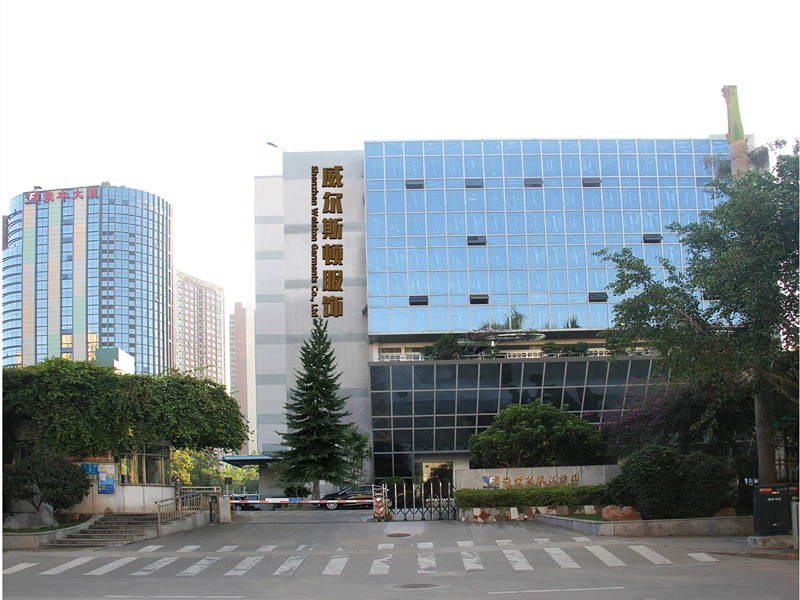
About Welston Garments